
Mascaras That Suit Different Lash Goals: Length, Volume, and Curl Compared

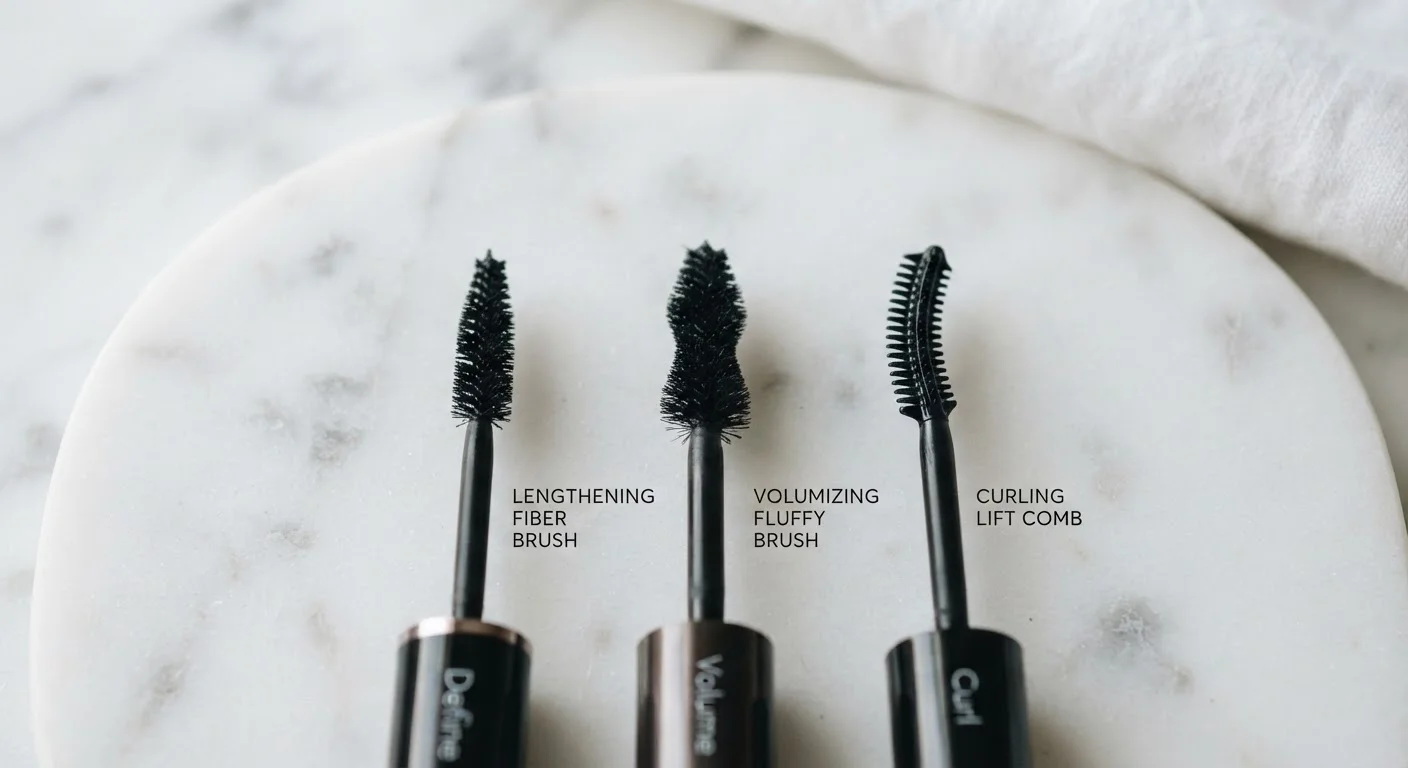
Photo: FaqExplorer.net | Informative Website editorial
Key Takeaways
- Lengthening mascaras use thin brushes and film-forming polymers to extend the appearance of each lash.
- Volumizing mascaras rely on thicker, wax-heavy formulas and dense bristles to build fullness and thickness.
- Curling mascaras are lighter-bodied and often contain holding agents that help lashes maintain an upward lift.
- No mascara formula physically adds length or volume - effects are purely optical and formula-dependent.
- Layering two formula types is a common technique, but it can increase flaking if formulas are incompatible.
- Lash type, eye shape, and desired finish all influence which mascara formula will perform best for any individual.
How Mascara Formulas Are Engineered to Do Different Jobs
Mascara may look like a simple product, but its formula is deliberately engineered around a specific lash goal. The three core categories - lengthening, volumizing, and curling - differ in their ingredient ratios, brush geometry, and the optical effects they create. Understanding these differences helps you choose a formula that actually matches what you want to see in the mirror.
All mascaras share a basic architecture: a pigmented base (usually carbon black or iron oxides), film-forming polymers that help the product adhere and dry, waxes that add body, and conditioning agents. What varies significantly is the proportion of these components and the shape of the applicator brush.
Read the Brush Before the Bottle
Lengthening Mascaras: The Science of the Stretch
Lengthening formulas are built around lightweight, low-wax bases loaded with film-forming polymers such as acrylates copolymer. These polymers coat each lash in a thin, even film that dries to a slightly rigid finish, making lashes appear to extend beyond their natural tip.
The applicator brush for a lengthening mascara is typically narrow and precise - sometimes a fine comb or a tapered wand - allowing it to separate individual lashes and reach even the shortest strands along the inner and outer corners. Some formulas include synthetic or natural fibers (rayon or nylon) that temporarily adhere to lash tips to add visible length. These fiber mascaras can deliver a striking effect but require thorough removal to avoid irritation.
Lengthening mascaras generally produce a more defined, separated, and natural-looking finish rather than dramatic thickness. They work especially well for those with already dense lashes who simply want more reach.
| Lengthening | Volumizing | Curling | |
|---|---|---|---|
| Primary effect | Extended, elongated lash appearance | Thicker, fuller, denser lashes | Upward lift and maintained curl |
| Formula texture | Lightweight, low-wax | Rich, wax-heavy, thick | Light, flexible, holding agents |
| Brush shape | Narrow, precise, or comb-style | Dense, cylindrical, fluffy | Curved spine or tapered wand |
| Best lash type | Already dense but short lashes | Fine, thin, or sparse lashes | Straight or downward-growing lashes |
| Buildability | Moderate - can clump if over-layered | High - designed for multiple coats | Low to moderate - stays lightweight |
| Removal difficulty | Moderate - fiber formulas need oil-based remover | High - heavy wax requires thorough removal | Low to moderate - lighter formula removes easily |
| Best paired with | Lash primer or tubing formula | Lash comb to separate post-application | Mechanical lash curler used beforehand |
Volumizing Mascaras: Building Fullness from the Inside Out
Volumizing mascaras are the richest, heaviest formulas in the category. They use high concentrations of waxes - beeswax, carnauba wax, or synthetic equivalents - along with thickening agents that coat every lash in multiple buildable layers. The result is a fuller, bolder, more dramatic look that makes each individual lash appear thicker in diameter.
The brush is equally important: volumizing wands typically feature dense, tightly packed bristles arranged in a cylindrical or hourglass shape. This design scoops up a large amount of product per stroke and distributes it evenly across the lash from root to tip.
The tradeoff is that heavy formulas can weigh lashes down or cause clumping if over-applied. A light hand - and allowing each coat to dry slightly before applying the next - helps maintain definition while still building impressive fullness.
Curling Mascaras: Holding the Lift Without the Crimper
Curling mascaras prioritize a lightweight, flexible film that sets lashes in an upward position without weighing them toward the ground. Many formulas incorporate polymers commonly found in hair-hold products, which help the lash maintain its curved shape throughout the day. The brush for a curling mascara often has a curved spine or a tapered shape that encourages lashes upward as you stroke through.
These formulas are particularly beneficial for those with lashes that grow straight outward or downward, or for anyone whose naturally curled lashes tend to lose their shape quickly. Using a lash curler before applying a curling mascara typically enhances and extends the effect - though the mascara alone can provide a noticeable lift for those with moderately straight lashes.
Because curling formulas are lighter-bodied, they usually deliver less dramatic volume or length on their own. Layering a coat of curling mascara over a volumizing formula is a common technique for achieving both lift and fullness simultaneously.
Choosing the Right Formula for Your Lash Type and Goals
Selecting the right mascara starts with an honest assessment of your natural lashes and what you most want to change or enhance. Consider these practical points:
- Short lashes: A lengthening formula with a fine-tipped brush will have the most visible impact.
- Thin or sparse lashes: A volumizing formula builds the most noticeable fullness in fewer strokes.
- Straight lashes: A curling formula helps create an eye-opening effect that stays put, especially when paired with a mechanical lash curler used beforehand.
- Long but limp lashes: A curling or volumizing formula adds structure without requiring additional length.
Many people layer formulas: a curling coat first (closest to the lash line) and a volumizing or lengthening coat on top. This can work well, but be aware that mixing very wet formulas can increase the risk of flaking. Allow each layer to dry for several seconds before applying the next.
Removal is equally important. Heavy volumizing or fiber mascaras require a dedicated oil-based or micellar remover to avoid tugging, which can contribute to lash breakage over time. Gentle removal habits matter just as much as the formula you choose.
This article is for general informational and cosmetic education purposes only. Individual results will vary based on natural lash characteristics, application technique, and product formulation. Consult a dermatologist or ophthalmologist if you experience eye irritation from cosmetic products.
The content on this site is provided for informational purposes only and should not be considered a substitute for professional advice. While we strive to provide accurate and up-to-date information, we make no guarantees regarding its completeness or accuracy. Always consult a qualified professional for advice specific to your circumstances before making any decisions.