
Before You Test Drive: A Pre-Purchase Inspection Checklist

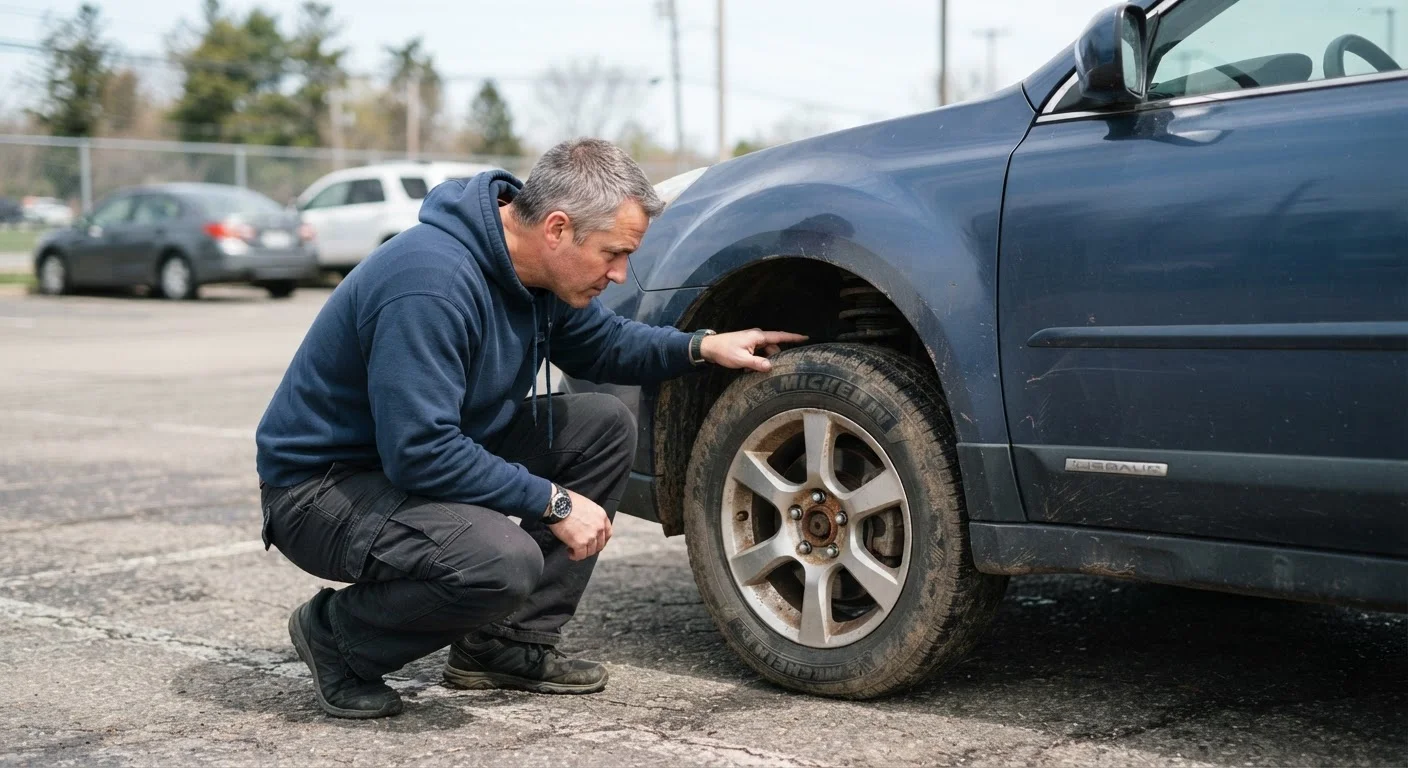
Photo: FaqExplorer.net | Informative Website editorial
Key Takeaways
- Inspect a used vehicle in daylight and on a level surface for the most accurate view of its condition.
- A vehicle history report is essential but not sufficient - always pair it with a physical inspection.
- An independent mechanic inspection before purchase is strongly recommended for any used vehicle.
- Interior wear, rust patterns, and fluid condition often reveal how a car was actually maintained.
- A clean test drive means nothing if the pre-purchase inspection reveals hidden structural or mechanical issues.
Why This Checklist Matters Before You Drive Anything
A test drive tells you how a car feels. A pre-purchase inspection tells you what a car is actually worth. Skipping the inspection - or doing it carelessly - is one of the most common and expensive mistakes used-car buyers make. Problems invisible during a 15-minute drive can cost thousands of dollars within months of purchase.
This checklist works for private-party sales and dealership lots alike. If you're considering a certified pre-owned vehicle, review what's covered - and what isn't - in CPO program details before assuming the inspection work is already done for you.
Before you arrive, pull a vehicle history report using the VIN (Vehicle Identification Number). Reports from services like Carfax or AutoCheck flag accident records, title issues, and odometer discrepancies. They're a starting point, not a substitute for eyes on the car. Bring this checklist, a flashlight, and ideally a trusted mechanic - or budget for a pre-purchase inspection at an independent shop, which typically runs $100-$200 and can reveal far more than a visual walkthrough alone.
Vehicle History Report Service (e.g., Carfax, AutoCheck)
Provides accident history, title status, odometer records, and number of previous owners using the vehicle's VIN.
Flashlight or Torch
Essential for inspecting the undercarriage, engine bay corners, and interior floor areas in poor light.
Independent Pre-Purchase Inspection (mechanic)
A qualified mechanic can identify mechanical and structural issues that a visual inspection will miss.
Tire Tread Depth Gauge
Provides an accurate measurement of remaining tire life, more reliable than the coin test alone.
OBD-II Scanner
Reads stored diagnostic trouble codes from the vehicle's onboard computer, including codes that don't trigger a warning light.
The Full Inspection Checklist
Work through each group methodically. Do your exterior and interior checks first - in daylight, on flat ground - before moving under the hood or underneath the vehicle. Flag anything that doesn't look right and ask the seller directly. Unexplained hesitation or inconsistent answers are red flags of their own.
Before You Arrive
Exterior Condition
Interior and Electrical
Under the Hood
Tires, Brakes, and Undercarriage
Never Skip the Independent Mechanic
Once you've completed this checklist, line up your questions for the negotiating table. Our guide to questions worth asking before signing any car deal helps you address what you found. And if financing is part of your plan, reviewing your financial readiness before you make an offer puts you in a stronger position at the table.
The content on this site is provided for informational purposes only and should not be considered a substitute for professional advice. While we strive to provide accurate and up-to-date information, we make no guarantees regarding its completeness or accuracy. Always consult a qualified professional for advice specific to your circumstances before making any decisions.