
Skincare Before Makeup: The Layering Order That Makes Products Perform Better

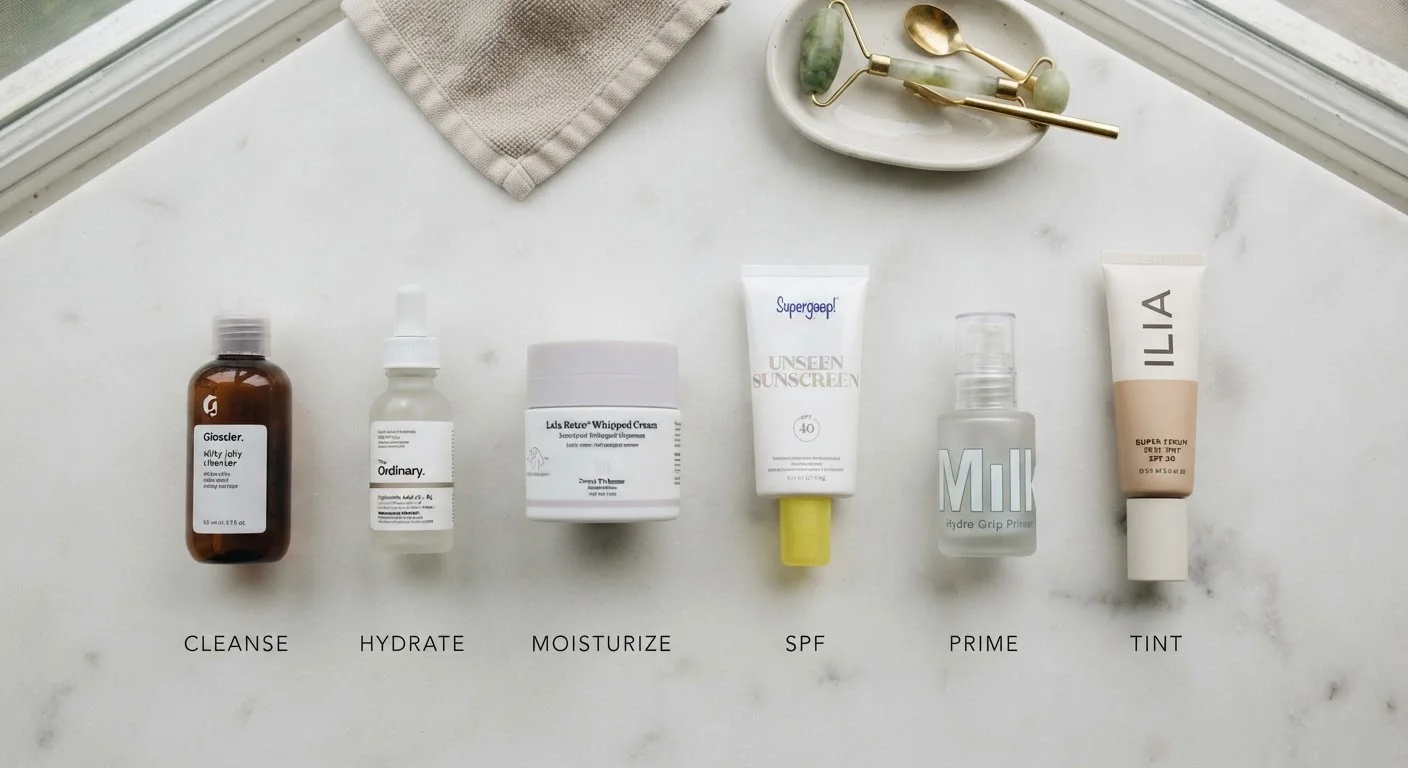
Photo: FaqExplorer.net | Informative Website editorial
Key Takeaways
- Applying products in the wrong order can block absorption and cause makeup to pill or slide off.
- Lightweight, water-based products go on before heavier, oil-based ones for proper absorption.
- SPF should always be applied after moisturizer and before primer to maintain sun protection efficacy.
- Allowing each layer to partially set before the next improves both skincare results and makeup longevity.
- Primer bridges skincare and makeup, creating a smooth surface that helps foundation adhere evenly.
Why Layering Order Actually Matters
Most people know they should wear both skincare and SPF before applying makeup - but the specific sequence those products go on in is where many routines quietly fall apart. Applying a thick moisturizer over a serum, then immediately layering SPF on top, then primer, then foundation all within seconds might seem efficient. In practice, it can cause products to pill, mix unevenly, or prevent active ingredients from absorbing into skin at all.
The underlying principle is straightforward: products move from thinnest to thickest consistency, and water-based formulas are applied before oil-based ones. Skin absorbs lighter molecules more readily when heavier barriers haven't already been laid down. When you reverse the order, you're essentially asking a serum to pass through a layer of occlusive moisturizer - which it largely cannot do.
For a deeper foundation on what your skin actually needs before any makeup touches it, see the Skincare Basics hub for evidence-informed guidance on building a routine.
The Correct Sequence, Step by Step
Understanding the logic behind the order makes it easier to troubleshoot your own routine and adapt it as your products change.
- Cleanser - Always start on a clean canvas. Residual oil, sunscreen, or product from the previous day creates a barrier that compromises everything applied after it.
- Toner or essence (if used) - These typically prep the skin's surface and can support the absorption of the next layers. Apply while skin is still slightly damp from cleansing.
- Serums and treatments - Targeted actives like vitamin C, niacinamide, or hyaluronic acid go here, in order from thinnest to thickest if you're layering more than one.
- Eye cream - Lighter than most facial moisturizers and formulated for a delicate area; it goes before heavier face creams so it isn't displaced.
- Moisturizer - This seals in previous layers and provides the hydration base your skin needs throughout the day.
- SPF - Sunscreen must go on last in your skincare routine, directly before makeup, so nothing dilutes or disrupts the UV-filter film it forms on the skin's surface.
- Primer - This is the bridge between skincare and makeup. It grips onto prepped skin and gives foundation a consistent surface to adhere to.
- Foundation and the rest of your makeup - With a properly prepped base, your makeup applies more smoothly and typically lasts significantly longer.
Common Mistakes That Undermine Your Base
Even with the right products, a few habitual missteps can undo the benefits of a well-sequenced routine.
Not waiting between layers. Each product benefits from a brief setting period - roughly 30 to 60 seconds - before the next goes on. Applying foundation immediately after SPF is one of the most common reasons makeup looks streaky or moves throughout the day.
Applying SPF over primer. Sunscreen needs to sit directly on skin - not over a silicone primer - to function as its formula was tested. Always reserve primer for the final skincare-to-makeup transition step.
Using mismatched formulas. An oil-based serum followed by a water-based moisturizer creates a surface conflict that can cause both to sit unevenly. Matching your formula types, or at least being intentional about their order, reduces pilling and separation.
Skipping moisturizer when skin feels oily. Even oily or combination skin needs some hydration. Skipping it often causes skin to overproduce oil throughout the day, which contributes to makeup breakdown faster than a well-chosen lightweight moisturizer would.
If you're weighing whether your current makeup formulas are working with or against your skincare, understanding formulation differences between price points can help you make more informed choices.
Skin Type Affects What Works Best for You
This article is for informational purposes only. Individual skin types and conditions vary - consult a licensed dermatologist for personalized skincare guidance.
The content on this site is provided for informational purposes only and should not be considered a substitute for professional advice. While we strive to provide accurate and up-to-date information, we make no guarantees regarding its completeness or accuracy. Always consult a qualified professional for advice specific to your circumstances before making any decisions.