
Certified Pre-Owned Programs: What They Include and What They Don't

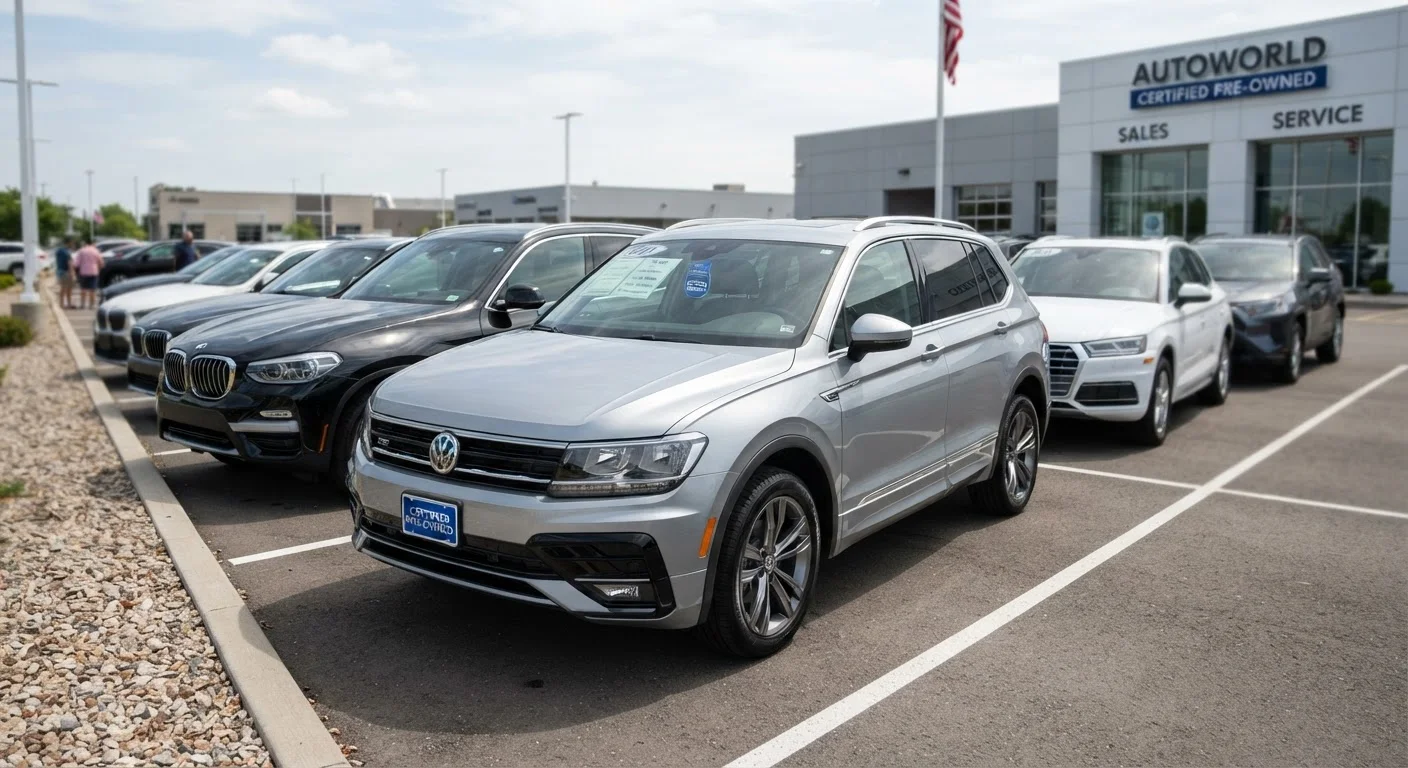
Photo: FaqExplorer.net | Informative Website editorial
Key Takeaways
- CPO programs vary widely - manufacturer-backed and dealer-certified programs offer very different levels of protection.
- A multi-point inspection is standard, but the number of points checked and what passes or fails differs by program.
- CPO warranties typically include powertrain coverage, but comprehensive bumper-to-bumper coverage is less consistent.
- Common exclusions include wear items like brakes, tires, and cosmetic damage - even on certified vehicles.
- The CPO premium adds cost upfront; whether it's worth it depends on the specific program terms, not just the label.
- Always read the actual warranty documents before signing - the "certified" label alone is not enough information.
What a CPO Program Actually Involves
The term "certified pre-owned" is widely used, but it doesn't have a single universal definition. At the core, every CPO program involves two elements: an inspection and some form of warranty coverage. Beyond that, the specifics depend entirely on who is running the program.
Manufacturer-backed programs - offered through authorized dealerships selling that brand - are the most standardized. The automaker sets the inspection criteria, defines what qualifies a vehicle for certification (including mileage and age limits), and backs the warranty directly. Dealer-run certification programs, on the other hand, are created at the dealership level and may use a third-party service contract instead of a factory warranty. The standards for what passes inspection can be far less rigorous.
When evaluating any CPO offer, the first question to ask is simple: who is certifying the vehicle, and what exactly does that certification mean in writing?
Manufacturer CPO vs. Dealer CPO: A Key Distinction
What CPO Programs Typically Include
Most legitimate CPO programs - particularly manufacturer-backed ones - include the following:
- Multi-point inspection: Vehicles go through a checklist covering mechanical, electrical, and sometimes cosmetic conditions. The number of points varies - some programs list 100+ items, others fewer. What matters more than the count is what criteria each point must meet to pass.
- Powertrain warranty: Almost all CPO programs include coverage for the engine, transmission, and drivetrain components. Duration varies widely, from 12 months to several years beyond the original factory coverage.
- Limited bumper-to-bumper coverage: Some programs extend a period of more comprehensive coverage similar to a new-car warranty, though this is shorter and less complete than original factory coverage.
- Vehicle history report: Most manufacturer programs provide a report from a recognized data provider, documenting prior ownership, reported accidents, and title status.
- Roadside assistance: Many programs include some form of roadside assistance for the warranty period.
For a broader look at how CPO fits into the used-car landscape, see our piece on new car vs. used car trade-offs.
~4M
CPO vehicles sold annually in the U.S.
CPO sales have grown steadily as a share of the used-vehicle market, reflecting increased consumer interest in certified options (per industry tracking data from Cox Automotive).
5-6 years
Typical maximum vehicle age for manufacturer CPO eligibility
Most automaker CPO programs cap eligibility by model year, meaning older vehicles must rely on dealer-run programs with potentially less standardized coverage.
$1,000-$3,500
Estimated CPO premium over comparable non-certified used vehicles
Industry estimates suggest buyers pay a meaningful premium for CPO status; the value depends heavily on the specific program terms and remaining warranty coverage.
What CPO Programs Typically Exclude
The exclusions are where many buyers are caught off guard. Understanding what a CPO warranty does not cover is just as important as knowing what it does.
- Wear items: Tires, brake pads, rotors, clutch components, wiper blades, filters, and belts are almost always excluded. These are treated as consumables regardless of certification status.
- Cosmetic damage: Scratches, dents, interior wear, and upholstery are typically not covered unless a specific appearance protection add-on is purchased separately.
- Pre-existing conditions not caught in inspection: If a defect wasn't identified during the certification inspection, coverage may be disputed later.
- Maintenance costs: Oil changes, fluid top-offs, tire rotations, and similar routine services are not covered under CPO warranties.
- Modifications or aftermarket parts: Vehicles with modifications may not qualify for certification at all, and aftermarket components are typically excluded from any coverage.
For a detailed look at how warranty language works and what exclusions typically look like in writing, our article on extended warranties and service contracts is a useful companion read.
How to Evaluate a CPO Offer Before You Buy
The CPO label should be a starting point for your research, not the end of it. Here's how to approach any CPO vehicle with the right level of scrutiny:
- Request the actual warranty document. Not a brochure - the full terms and conditions. Review what's covered, what's excluded, the deductible per claim (if any), and whether coverage is transferable if you sell the vehicle.
- Ask about the inspection report. A reputable program should be able to show you what was checked and how the vehicle performed. If a dealer can't produce this, treat it as a red flag.
- Check eligibility limits. Most manufacturer CPO programs cap vehicles by model year (often 5-6 years old) and mileage (commonly under 80,000 miles). If a vehicle is near those limits, the remaining coverage period will be shorter.
- Consider an independent inspection anyway. The CPO inspection was conducted by or on behalf of the seller. An independent pre-purchase inspection gives you an unbiased view. See our pre-purchase inspection checklist for what a thorough review should cover.
- Understand overlap with remaining factory coverage. Some CPO programs simply extend or supplement original factory warranty that hasn't yet expired. Knowing exactly when original coverage ends and CPO coverage begins matters. Our overview of extended warranties vs. manufacturer warranties breaks down how these layers interact.
Always Compare the Warranty Document, Not the Label
Frequently Asked Questions
The content on this site is provided for informational purposes only and should not be considered a substitute for professional advice. While we strive to provide accurate and up-to-date information, we make no guarantees regarding its completeness or accuracy. Always consult a qualified professional for advice specific to your circumstances before making any decisions.