
Gap Insurance: What It Covers and When It's Worth Having

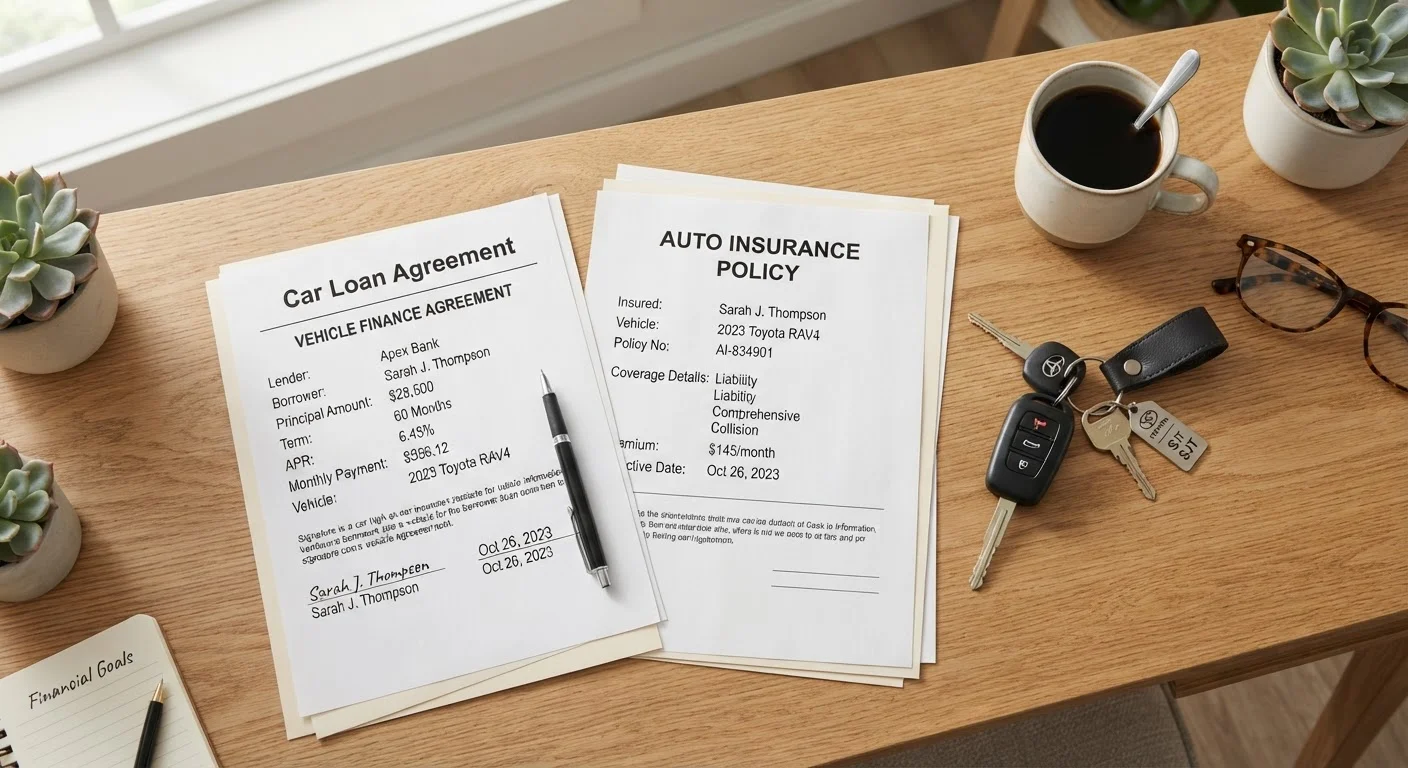
Photo: FaqExplorer.net | Informative Website editorial
Key Takeaways
- Standard auto insurance pays only the vehicle's current market value, which may be less than your loan balance.
- Gap insurance covers the difference between what your insurer pays and what you still owe your lender.
- New vehicles depreciate rapidly - often losing 15-25% of value in the first year - making early-loan coverage most valuable.
- Gap coverage is typically most useful when you made a small down payment or financed over a long term.
- You can purchase gap coverage through your auto insurer, lender, or dealership - but costs and terms vary.
- Once your loan balance drops below your vehicle's market value, gap insurance generally provides no additional benefit.
The Depreciation Problem Gap Insurance Solves
New cars lose value quickly. A vehicle can depreciate by 15% to 25% in its first year alone, according to widely cited industry estimates. That creates a window - often spanning the first two to four years of a loan - where a driver can owe significantly more than the car is worth on the open market.
This becomes a serious financial problem if the car is totaled in an accident or stolen. Your primary auto insurance policy pays the vehicle's actual cash value (ACV) - what a comparable car would sell for today - not what you paid for it or what you still owe. If you financed $32,000, your car is now worth $24,000, and you still owe $28,000, your insurer cuts you a check for $24,000. That leaves a $4,000 shortfall you're still on the hook for, even though the car is gone.
Gap insurance exists precisely to cover that shortfall.
~20%
Average new car depreciation in year one
Industry estimates consistently show new vehicles lose roughly 15-25% of their value within the first 12 months of ownership.
~44%
New car buyers with negative equity at trade-in
Automotive industry data has shown a significant share of trade-in vehicles carry loan balances exceeding the vehicle's appraised value.
72-84 mo.
Common long-term auto loan lengths today
Extended loan terms have become increasingly common, lengthening the period during which a buyer may owe more than the vehicle's market value.
Who Stands to Benefit Most
Gap coverage isn't equally valuable to every driver. It tends to be most relevant in specific financing situations:
- Small down payments: Putting down less than 20% means you start the loan already close to - or beyond - the car's depreciating value.
- Long loan terms: 72- or 84-month loans reduce monthly payments but slow the pace at which your balance falls. Depreciation can outrun your paydown for years.
- Leased vehicles: Many lease agreements require gap coverage, and lease structures often leave drivers exposed to the same ACV shortfall problem.
- High-depreciation vehicles: Some makes and models lose value faster than average. Carrying gap coverage on these vehicles is a more significant hedge.
- Rolled-over negative equity: If you traded in a car with an existing loan balance that was rolled into your new loan, you may owe well above market value from day one.
Conversely, if you made a large down payment, have a short loan term, or your balance is already near or below the vehicle's current value, the gap protection likely provides minimal benefit.
Check Your Loan Balance vs. Vehicle Value Annually
What Gap Insurance Does Not Cover
Understanding the exclusions is just as important as knowing what's covered. Gap insurance is not a catch-all financial safety net. Most policies will not cover:
- Your primary insurance deductible (unless you have a separate deductible-waiver rider)
- Overdue or delinquent loan payments added to your balance
- Extended warranty or credit insurance products rolled into the loan
- Carry-over negative equity from a previous vehicle
- Mechanical repairs or regular maintenance costs
In short, gap insurance covers the gap between the ACV payout and the base loan balance - not every dollar you owe to your lender if that balance has been inflated by add-ons. Read the policy language carefully before purchasing, and ask your insurer exactly what the covered balance includes. For a broader look at how coverage language works in related products, see reading the fine print on service contracts.
Where to Buy It - and What to Watch For
Gap coverage is sold through three main channels: your auto insurer, the dealership's finance office, and the lender directly. The price difference between these channels can be substantial.
When purchased as an endorsement on an existing auto policy, gap coverage commonly runs anywhere from around $20 to $40 per year, depending on the insurer and your vehicle. Dealership-sold gap products are often priced significantly higher - sometimes $400 to $900 as a lump sum - and are frequently financed into the loan, which means you pay interest on the gap coverage itself.
Before you sign, it's worth asking the questions that matter most. Knowing what to ask before signing any car deal can help you evaluate whether gap insurance is being presented fairly or added without full explanation.
Also consider how gap coverage fits alongside other products pitched in the finance office, such as extended warranties. These are separate products with very different functions - gap protects your loan if the car is a total loss, while a warranty addresses mechanical repairs during ownership. For clarity on warranties, see extended warranties vs. manufacturer warranties.
This article provides general information about auto insurance products and is not personalized financial or insurance advice. Consult a licensed insurance professional for guidance specific to your situation and state.
Frequently Asked Questions
The content on this site is provided for informational purposes only and should not be considered a substitute for professional advice. While we strive to provide accurate and up-to-date information, we make no guarantees regarding its completeness or accuracy. Always consult a qualified professional for advice specific to your circumstances before making any decisions.