
The Hidden Costs of Car Ownership Most Drivers Don't Budget For

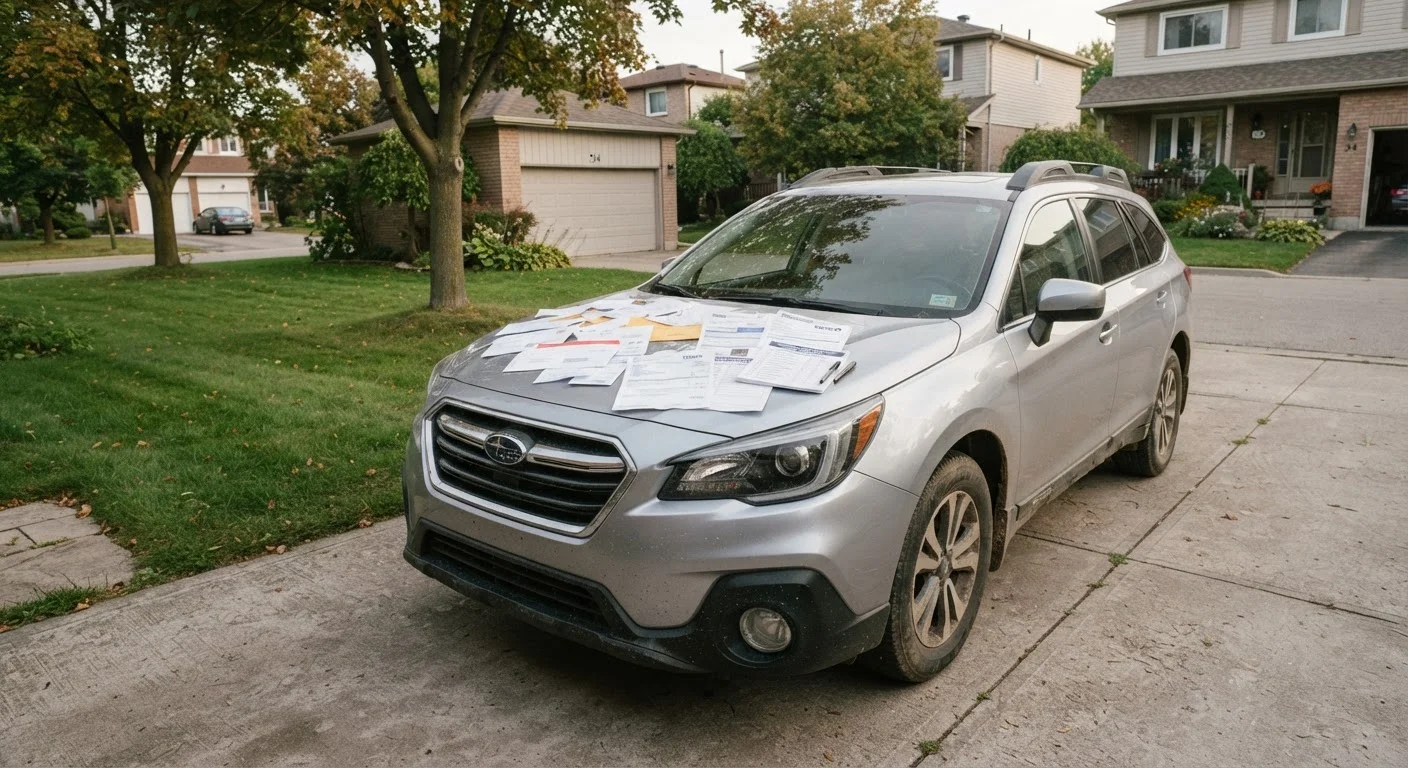
Photo: FaqExplorer.net | Informative Website editorial
Key Takeaways
- The monthly car payment typically covers less than half of what a vehicle actually costs to own annually.
- Depreciation is often the single largest ownership expense, though it's rarely visible on a monthly statement.
- Insurance, fuel, maintenance, and registration fees add hundreds to thousands of dollars per year on top of loan costs.
- Skipping routine maintenance to save money usually leads to larger, more expensive repairs later.
- Building a dedicated vehicle expense fund - separate from your car payment - is a practical way to avoid financial surprises.
Why the Monthly Payment Is Only Part of the Story
When most people budget for a car, they focus almost entirely on the monthly loan or lease payment. That number is real and significant - but it often accounts for less than half of what it genuinely costs to keep a vehicle on the road. The gap between what drivers budget and what they actually spend is where financial stress quietly builds.
Understanding the full picture before you buy - or while you already own - helps you make smarter decisions and avoid being caught short when a bill arrives. This is general financial information to help you plan; for personalized guidance, consider speaking with a financial professional.
For a broader look at decisions that affect your wallet at the point of purchase, see common car-buying myths that cost drivers money.
$10,000+
Average annual new car ownership cost
According to AAA's Your Driving Costs study, the average American spends over $10,000 per year to own and operate a new vehicle when all costs are included.
~20%
Typical first-year depreciation rate
Many new vehicles lose approximately 15-25% of their value within the first year of ownership, making depreciation the largest single ownership expense for most drivers.
$500-$1,000
Typical annual routine maintenance cost
Industry estimates suggest most drivers should budget at least $500-$1,000 per year for scheduled maintenance on a well-maintained vehicle, with older vehicles often costing more.
Depreciation: The Cost You Never Get a Bill For
Depreciation - the loss in a vehicle's market value over time - is typically the largest single cost of car ownership, yet it never appears as a line item on your bank statement. A new vehicle can shed 15-25% of its value within its first year and roughly 50% or more over five years, depending on the make, model, and market conditions.
This matters most when you decide to sell or trade in. The difference between what you paid and what you receive back is a real financial loss. Drivers who hold onto vehicles well past their loan payoff date tend to offset this loss more effectively than those who trade in frequently.
Learn how depreciation works and what accelerates it - including factors like mileage, condition, and market demand.
Insurance, Registration, and Fees
Auto insurance is legally required in nearly every US state, and premiums vary widely based on your driving record, location, vehicle type, age, and coverage level. The average American driver pays several thousand dollars annually in auto insurance - a cost that resets every policy period and can rise after claims or changes in your profile.
On top of insurance, vehicle registration fees are due annually in most states and can range from under $100 to several hundred dollars depending on the state, vehicle age, and weight. Some states also levy annual personal property taxes on vehicles.
Insurance Costs Vary Significantly by State
Collectively, insurance and registration represent a fixed, recurring cost that continues regardless of how much or how little you drive - making them important to factor into any honest monthly budget.
Fuel, Maintenance, and Unexpected Repairs
Fuel costs are highly variable - dependent on how much you drive, current gas prices in your area, and your vehicle's fuel efficiency. Even a modest 10,000-mile-per-year driver can spend $1,200-$2,500 annually on fuel, depending on the vehicle and local prices.
Routine maintenance - oil changes, tire rotations, brake inspections, fluid top-offs, and filter replacements - adds another several hundred dollars per year under normal circumstances. Skipping this upkeep to save money short-term frequently leads to far more expensive repairs. A neglected timing belt, for example, can result in engine damage that costs many times more than the belt replacement itself.
Tires are another underappreciated expense. A full set of replacement tires can cost $400-$1,000 or more depending on the vehicle, and most cars need new tires every 40,000-70,000 miles. Unexpected repairs - a failed alternator, a cracked windshield, brake replacement - can add $500-$2,000 or more in a single visit to a shop.
Explore our car-buying hub for more guidance on evaluating total ownership costs before you commit to a vehicle.
Building a Realistic Vehicle Budget
A practical approach is to think of your vehicle as having two separate budgets: the payment budget (your loan or lease) and the ownership budget (everything else). Setting aside a dedicated monthly amount - even $100-$200 - into a vehicle expense fund creates a cushion for routine costs and reduces the shock of unexpected repairs.
When evaluating a vehicle purchase, try to estimate all-in annual costs: insurance quotes, registration in your state, typical fuel costs for that model's efficiency, and the manufacturer's recommended maintenance schedule. These numbers are generally available from insurance providers, state DMV websites, and owner forums before you ever sign paperwork.
Owning a car is one of the more significant recurring financial commitments most households carry. Treating it with the same planning discipline as rent or a mortgage puts you in a much stronger position - financially and on the road.
This article is for general informational purposes only and does not constitute financial or legal advice. Consult a qualified professional for guidance specific to your situation.
Frequently Asked Questions
The content on this site is provided for informational purposes only and should not be considered a substitute for professional advice. While we strive to provide accurate and up-to-date information, we make no guarantees regarding its completeness or accuracy. Always consult a qualified professional for advice specific to your circumstances before making any decisions.