
Fixed vs. Variable Expenses: What the Difference Means for Your Budget

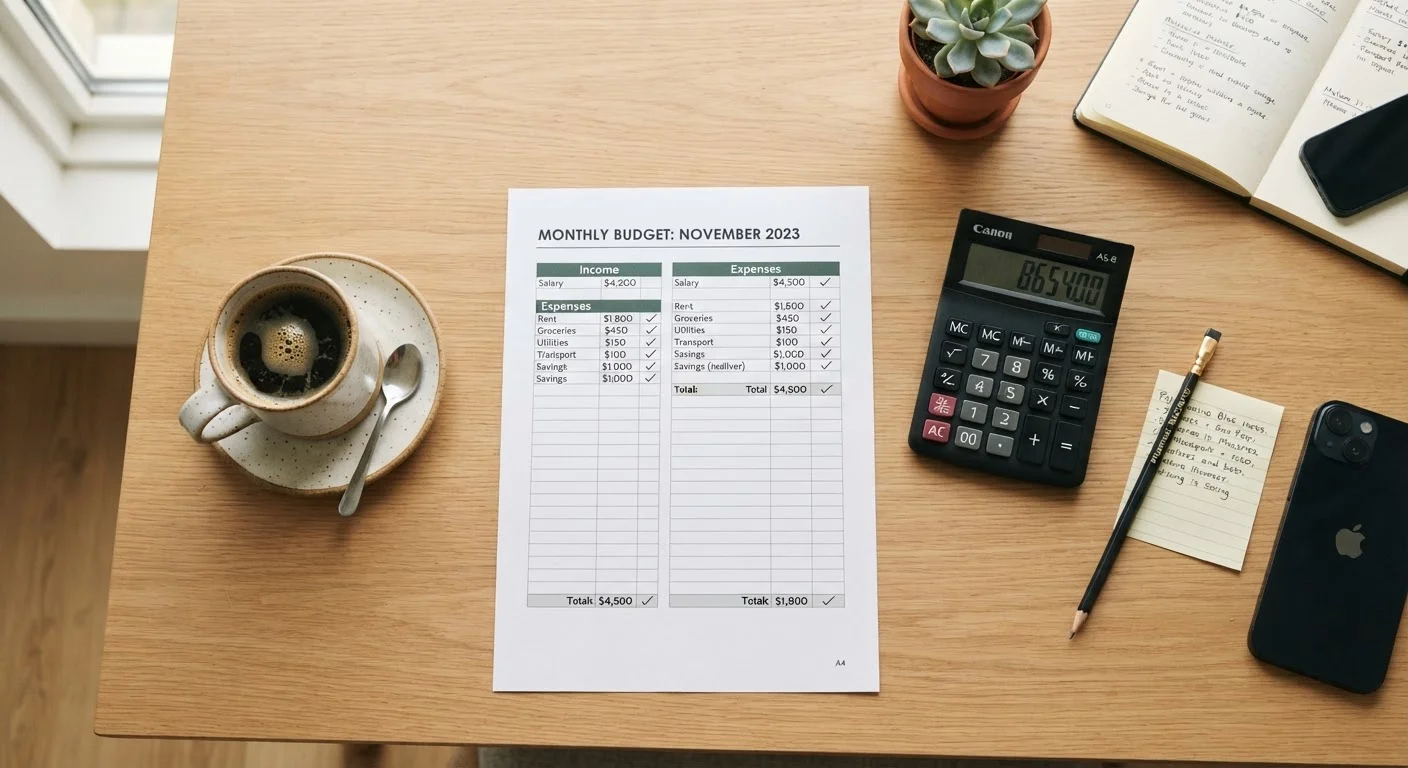
Photo: FaqExplorer.net | Informative Website editorial
Key Takeaways
- Fixed expenses stay the same amount each billing cycle, making them easy to predict.
- Variable expenses change month to month and offer the most opportunity to cut spending.
- Knowing your total fixed costs tells you the minimum income you need to cover obligations.
- Variable expenses require active tracking, while fixed expenses mainly require planning.
- Many expenses are semi-variable - partly predictable but with some room to fluctuate.
What Are Fixed Expenses?
A fixed expense is any cost that stays the same amount every billing cycle, regardless of how much you use a product or service. Rent or mortgage payments are the most common example - you owe the same dollar amount whether you spent every night at home or traveled for three weeks. Other typical fixed expenses include car loan payments, insurance premiums, and many subscription services billed at a flat rate.
The key characteristic of fixed expenses is their predictability. You can write them into your budget once and trust that the number will hold steady month after month. That reliability is useful, but it also means fixed expenses carry less flexibility. If money gets tight, you generally cannot call your landlord and ask to pay less this month.
Fixed expenses are the right place to start when building any budget. By listing them first, you establish your spending floor - the minimum amount leaving your account no matter what. If you are new to budgeting, see our step-by-step guide to building your first monthly budget for a full walkthrough on organizing these categories.
What Are Variable Expenses?
Variable expenses are costs that shift in amount from one month to the next, typically based on your choices and consumption. Groceries, gasoline, dining out, clothing, and utility bills are all variable - what you spend depends on how much you buy or use. Even utilities like electricity can fluctuate significantly with the seasons.
Because variable costs move, they are both the trickiest part of budgeting and the most powerful lever for change. When you need to free up cash, variable expenses are where most people find real savings. That said, tracking them requires more active attention than fixed costs do. If you skip monitoring for even one or two months, variable spending can quietly balloon beyond your plan.
One important nuance: some expenses feel fixed but are actually variable in disguise. A gym membership is a fixed monthly charge, but using a credit card for groceries and letting the balance grow turns a variable expense into a growing debt obligation. Keeping those distinctions clear matters. The common budgeting myths article addresses several misunderstandings around spending categories that trip up new budgeters.
Side-by-Side Comparison
The table below summarizes how fixed and variable expenses differ across the dimensions that matter most for everyday budgeting.
| Criterion | Fixed Expenses | Variable Expenses |
|---|---|---|
| Amount each month | Stays the same | Changes based on usage or choices |
| Examples | Rent, car payment, insurance | Groceries, gas, dining out, utilities |
| Predictability | High - easy to plan in advance | Low to moderate - requires tracking |
| Flexibility to reduce | Low - usually contractual | High - adjustable month to month |
| Budget setup effort | Enter once, verify periodically | Monitor and adjust regularly |
| Best budgeting strategy | List first to find spending floor | Set targets; track against actual spending |
One category worth noting separately is semi-variable expenses - costs that have a predictable base amount but can vary above it. Your phone plan may have a set monthly fee, but international calls or data overages add to that floor. Treating the base as fixed and the overage as variable is a practical way to handle these in your budget.
How to Use This Distinction in Your Budget
The practical value of separating fixed and variable expenses is that it tells you where to look when you need to make adjustments - and where you probably cannot.
~50-60%
Typical share of take-home pay going to fixed costs
Personal finance frameworks like the 50/30/20 rule suggest keeping fixed "needs" at or below 50% of net income, though individual circumstances vary widely.
1 in 3
Americans who do not track their monthly spending
Surveys by the National Foundation for Credit Counseling have consistently found that a significant share of U.S. adults lack a detailed monthly spending plan.
Start each budget period by entering all fixed expenses first. These numbers are set, so simply verify them against your latest statements and move on. Then allocate a target for each variable category based on past spending and your current goals. Tools like bank statements, budgeting apps, or even a simple spreadsheet can help you see averages over the past few months.
For expenses that only come up a few times a year - car registration, annual insurance premiums, holiday gifts - consider using a sinking fund. A sinking fund is a dedicated savings bucket you add to each month so that irregular costs don't derail your budget when they arrive. Our guide to sinking funds explains how to set one up and how it differs from an emergency fund.
Finally, use the monthly budget setup checklist to make sure you have accounted for both fixed obligations and variable categories before the month begins. Missing either type is one of the most common reasons a budget falls apart in the first few weeks.
This article is for general informational and educational purposes only and does not constitute personalized financial advice. Consult a qualified financial professional for guidance specific to your situation.
The content on this site is provided for informational purposes only and should not be considered a substitute for professional advice. While we strive to provide accurate and up-to-date information, we make no guarantees regarding its completeness or accuracy. Always consult a qualified professional for advice specific to your circumstances before making any decisions.