
Fitness After 50: What Changes Physically and How to Train Around It

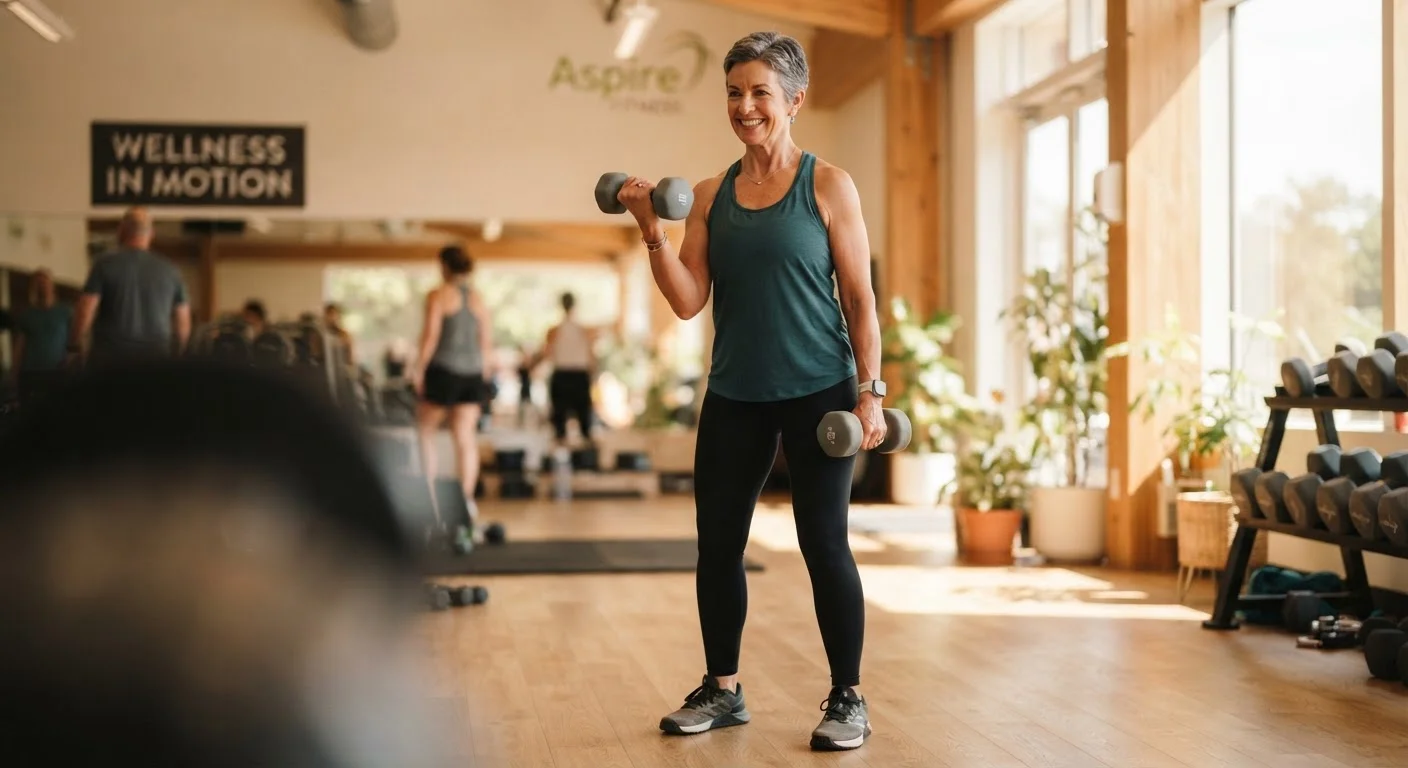
Photo: FaqExplorer.net | Informative Website editorial
Key Takeaways
- Muscle loss accelerates after 50 but resistance training meaningfully counters it.
- Joint cartilage and connective tissue respond well to consistent, low-impact loading.
- Aerobic capacity declines with age, but regular cardio preserves it significantly.
- Recovery takes longer after 50 - rest is a training tool, not a sign of weakness.
- Consult a healthcare professional before starting or significantly changing an exercise program.
What Actually Changes After 50
The body in your fifties is not the same as it was at thirty - and understanding those differences is the first step toward training effectively. Several well-documented physiological shifts occur gradually from midlife onward, affecting how muscles respond, how joints feel, and how quickly the body bounces back from exertion.
Hormonal changes play a significant role. Declining estrogen and testosterone levels affect muscle protein synthesis, bone density, and fat distribution. Metabolic rate slows modestly, partly because muscle tissue (which burns more calories at rest than fat) tends to decrease with age. These are not reasons to stop moving - they are reasons to move deliberately.
Many popular assumptions about aging and exercise don't hold up to scrutiny. For a broader look at which fitness beliefs to set aside, see common fitness myths debunked.
Muscle Mass and Strength: The Sarcopenia Factor
Sarcopenia - the age-related loss of skeletal muscle mass and function - typically begins in the fourth decade of life and accelerates after 60. Research published in journals such as the Journal of Cachexia, Sarcopenia and Muscle suggests adults can lose between 3 and 8 percent of muscle mass per decade after 30, with the rate increasing later in life.
The encouraging reality: resistance training is the most evidence-backed intervention to slow this process. Lifting weights, using resistance bands, or performing bodyweight exercises two to three times per week stimulates muscle protein synthesis and helps preserve functional strength. Compound movements - squats, rows, presses - work multiple muscle groups simultaneously and offer meaningful return on time invested.
Track performance markers like the number of reps completed with good form rather than chasing heavier weights each session. Technique is the most durable indicator of progress after 50.
Schedule at least one full rest day between resistance training sessions targeting the same muscle groups. This isn't optional recovery - it's where strength adaptation actually happens.
Progressive overload - gradually increasing the challenge over time - remains essential, though the pace may be slower. The goal is consistent stimulus, not maximum load.
Joints, Flexibility, and Connective Tissue
Cartilage thins with age, and tendons and ligaments lose some elasticity and water content, making them slightly more susceptible to strain. Many people over 50 notice stiffness in the morning or after long periods of inactivity - a reflection of these changes in connective tissue rather than inevitable decline.
Contrary to the instinct to rest aching joints, appropriate movement is generally beneficial. Low-impact activities - swimming, cycling, walking, and resistance training with controlled range of motion - load the joints in ways that support cartilage health without excessive stress. Static and dynamic stretching, practiced regularly, can maintain and even improve functional flexibility.
Don't Train Through Sharp or New Joint Pain
Foam rolling and mobility work before and after sessions support tissue quality over time. If joint pain is sharp, swelling is present, or symptoms are new, a qualified healthcare provider should assess the issue before you continue training.
Cardiovascular Changes and Aerobic Capacity
Maximal oxygen uptake (VO₂ max) - the gold standard measure of aerobic fitness - declines roughly 10 percent per decade after 25 in sedentary individuals. However, regular aerobic exercise substantially narrows that gap. Older adults who train consistently demonstrate VO₂ max values well above their sedentary peers of the same age.
Resting heart rate and heart rate recovery time shift with age, and the cardiovascular system takes a little longer to adapt to new demands. This means easing into new cardio programs rather than jumping to high intensity. Zone 2 cardio - sustained, conversational-pace effort - builds aerobic base efficiently and is well tolerated by most adults over 50.
~10%
VO₂ max decline per decade in sedentary adults
Research in exercise physiology consistently shows this decline is significantly reduced with regular aerobic training.
3-8%
Muscle mass lost per decade after age 30
According to findings published in the Journal of Cachexia, Sarcopenia and Muscle, the rate accelerates further after age 60.
2-3x
Per week resistance training frequency recommended
Major health organizations including the CDC recommend this frequency as a minimum for preserving muscle mass and function in older adults.
How to Train Smarter After 50
Effective training after 50 prioritizes function, longevity, and enjoyment over performance metrics. A balanced program typically includes resistance training, aerobic activity, balance work, and flexibility - each serving a distinct physiological need.
- Resistance training: Two to three sessions per week, emphasizing major muscle groups with controlled technique.
- Aerobic activity: Most days of the week, mixing steady-state efforts with occasional moderate-intensity intervals as tolerated.
- Balance and stability: Single-leg exercises, coordination drills, and activities like yoga or tai chi reduce fall risk - a critical health concern with age.
- Mobility work: Daily movement through full joint ranges preserves flexibility and reduces injury risk.
If your current approach has stopped producing results, understanding why routines stall can help guide adjustments. And if you're returning to exercise after a significant break, rebuilding safely after time away offers a structured starting point.
Recovery, Sleep, and the Role of Rest
Recovery capacity diminishes with age - not dramatically, but measurably. Muscle repair processes slow, inflammation takes longer to resolve, and the nervous system needs more time to reset between intense sessions. Ignoring this reality is one of the most common reasons people over 50 accumulate overuse injuries or experience prolonged fatigue.
Adequate sleep - generally seven to nine hours for most adults - is when the majority of tissue repair and hormonal restoration occurs. Protein intake distributed across meals supports muscle recovery, with general guidance from sports nutrition research pointing to adequate total daily protein as a priority (individual needs vary; a registered dietitian can help personalize this). Rest days are not optional extras - they are when adaptation actually takes place.
For a deeper understanding of why consistent progress requires strategic variation and rest, see why fitness progress stalls and what to do.
This article is for general informational and educational purposes only and does not constitute medical advice. Always consult a qualified healthcare professional before beginning a new exercise program, especially if you have existing health conditions, chronic pain, or have been inactive for an extended period.
The content on this site is provided for informational purposes only and should not be considered a substitute for professional advice. While we strive to provide accurate and up-to-date information, we make no guarantees regarding its completeness or accuracy. Always consult a qualified professional for advice specific to your circumstances before making any decisions.