
Approaches to Managing Anxiety Without Medication: What Evidence Exists

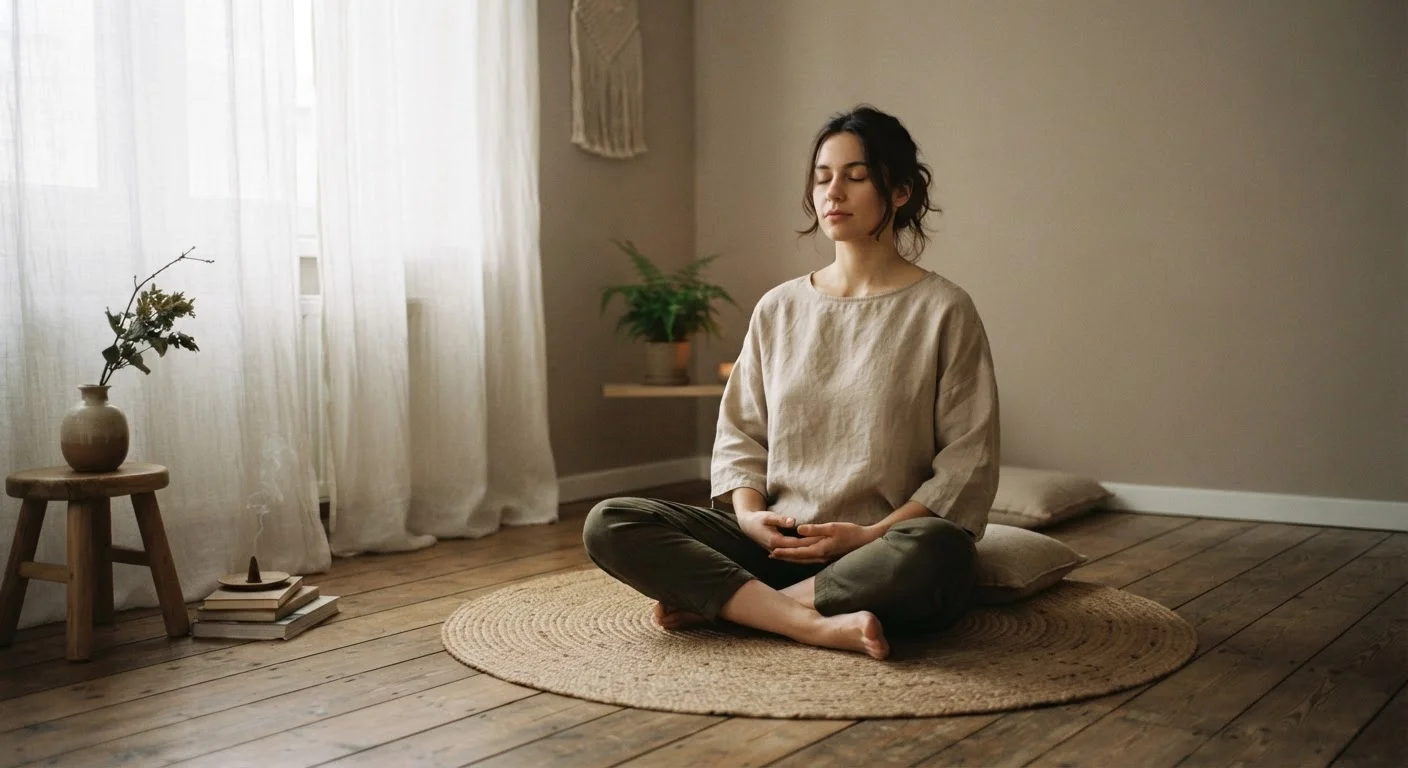
Photo: FaqExplorer.net | Informative Website editorial
Key Takeaways
- Cognitive Behavioral Therapy (CBT) has one of the strongest evidence bases for reducing anxiety symptoms.
- Regular physical activity is consistently linked to reduced anxiety across multiple study designs.
- Mindfulness-based practices show meaningful, if moderate, effects on anxiety in controlled research.
- Breathing techniques and relaxation strategies can activate the body's calming nervous system response.
- Lifestyle factors - sleep, caffeine, and social connection - meaningfully influence anxiety levels.
- These approaches are complementary tools, not substitutes for professional mental health care.
Understanding Non-Pharmacological Options
Anxiety is among the most common mental health concerns in the United States, and many people seek ways to manage it that don't involve medication - whether by preference, circumstance, or as a complement to other care. The good news is that several non-pharmacological approaches have a meaningful body of research behind them.
This article presents what that evidence actually shows: where it's strong, where it's more limited, and how these tools might fit into everyday life. It's intended as general health information, not as a substitute for guidance from a qualified mental health professional. If anxiety is significantly affecting your daily functioning, please consult a licensed clinician.
With that context established, here are some of the most research-supported approaches available.
Cognitive Behavioral Therapy (CBT) Techniques
CBT is one of the most extensively studied psychological treatments for anxiety. Its core principle is that thoughts, feelings, and behaviors are interconnected - and that identifying and challenging unhelpful thought patterns can reduce anxiety over time.
Structured CBT is typically delivered by a trained therapist, but research has also examined self-guided CBT workbooks and digital CBT programs, finding moderate benefits compared to no treatment. Core techniques include cognitive restructuring (examining and reframing distorted thoughts) and gradual exposure to feared situations. Multiple systematic reviews and meta-analyses support its effectiveness across several anxiety presentations. See also: common myths about therapy that keep people from seeking help.
CBT's evidence base for anxiety is among the strongest of any psychological intervention available.
Regular Physical Activity
A substantial body of research links regular aerobic exercise to reduced anxiety symptoms, with effects observed across randomized controlled trials, not just observational studies. The mechanisms aren't fully settled, but proposed pathways include regulation of stress hormones like cortisol, increased endorphin activity, and improved sleep quality.
Research suggests that consistency matters more than intensity - moderate-intensity activity performed regularly appears to produce the most reliable anxiety-related benefits. For a detailed look at the research, mental health and exercise: what research suggests about the connection covers this topic thoroughly.
Consistent moderate-intensity exercise reliably outperforms sporadic intense workouts for anxiety management.
Mindfulness-Based Practices
Mindfulness-Based Stress Reduction (MBSR) and Mindfulness-Based Cognitive Therapy (MBCT) are structured programs with genuine research support. Meta-analyses have found that mindfulness-based interventions produce meaningful reductions in self-reported anxiety, though effect sizes vary and tend to be moderate rather than large.
The key mechanism appears to be developing a different relationship with anxious thoughts - observing them rather than immediately reacting to them. Casual mindfulness apps and brief practices have weaker evidence than the full structured programs, though they may still offer practical value for some people.
Structured mindfulness programs produce meaningful anxiety reductions, though effect sizes are generally moderate.
Controlled Breathing and Relaxation Techniques
Slow, diaphragmatic breathing - often called controlled or paced breathing - can directly influence the autonomic nervous system, promoting activation of the parasympathetic (rest-and-digest) response. Techniques such as box breathing and extended exhale breathing have been studied in clinical and non-clinical populations with generally positive findings for acute anxiety reduction.
Progressive Muscle Relaxation (PMR), which involves systematically tensing and releasing muscle groups, also has a research base spanning several decades. These techniques are particularly useful as in-the-moment tools, though they work best when practiced regularly rather than only during peak anxiety.
Controlled breathing works partly by directly engaging the parasympathetic nervous system to reduce acute stress.
Sleep Hygiene and Lifestyle Factors
Sleep and anxiety have a bidirectional relationship: poor sleep worsens anxiety, and anxiety disrupts sleep. Research consistently shows that improving sleep quality - through consistent schedules, limiting screens before bed, and reducing evening stimulants - can measurably reduce next-day anxiety levels.
Caffeine consumption is another well-documented factor; it activates the same physiological arousal pathways as the stress response and can amplify anxiety symptoms in sensitive individuals. Social connection is also increasingly recognized in the literature as a buffer against anxiety, with isolation associated with heightened threat perception and stress reactivity.
Sleep quality and anxiety are so intertwined that improving one typically produces measurable benefits in the other.
Expressive Writing and Journaling
Research into expressive writing - particularly the work of psychologist James Pennebaker - has found that structured writing about thoughts and feelings can reduce psychological distress over time. The benefits appear to depend considerably on how the writing is approached: processing difficult emotions with some reflective distance tends to be more effective than simply venting without structure.
For a grounded look at what studies support, journaling for mental wellness: what the research supports is a useful companion to this topic. As with other tools here, consistent practice matters more than occasional use.
Structured reflective writing shows more consistent research benefits than unstructured emotional venting in studies.
Putting It All Together
No single approach works for everyone, and the research suggests that combining strategies often yields better results than relying on any one technique in isolation. What these approaches share is that they require consistent practice - occasional use rarely produces lasting change.
Start Small and Track What Works
For deeper reading on building sustainable habits around these tools, see sustainable habits that support everyday emotional well-being. And if you've tried techniques like breathing exercises or meditation and found them frustrating, why stress relief techniques fail and how to make them work is worth a read before giving up on them.
This article is for general informational purposes only and does not constitute medical or mental health advice. Always consult a qualified healthcare professional for concerns about anxiety or any other health condition.
The content on this site is provided for informational purposes only and should not be considered a substitute for professional advice. While we strive to provide accurate and up-to-date information, we make no guarantees regarding its completeness or accuracy. Always consult a qualified professional for advice specific to your circumstances before making any decisions.