
Building a Wind-Down Routine That Actually Sticks

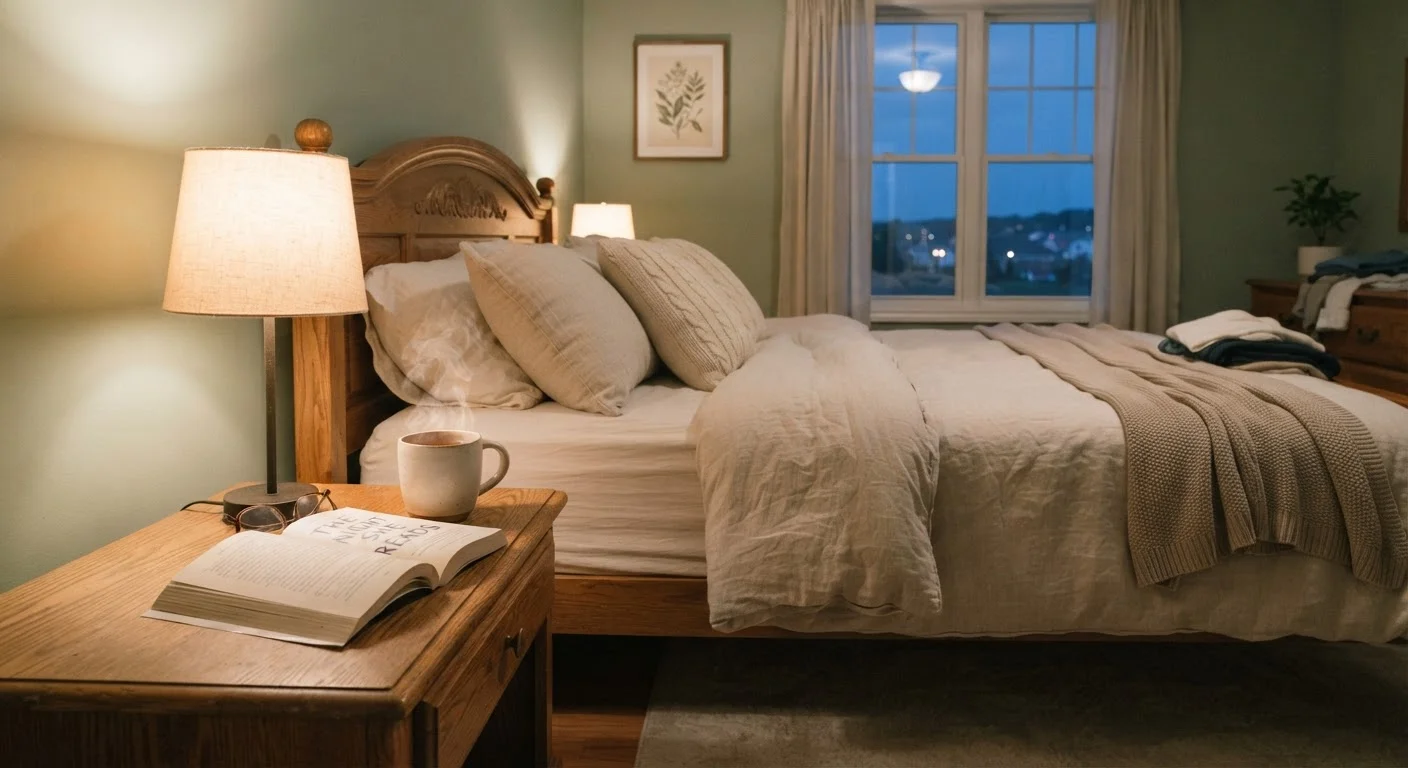
Photo: FaqExplorer.net | Informative Website editorial
Key Takeaways
- A structured wind-down routine cues your nervous system to shift from alertness to rest.
- Consistency in timing matters more than the specific activities you choose.
- Reducing screen exposure and bright light in the final hour supports natural melatonin production.
- Small, repeatable habits compound over time into meaningful improvements in sleep quality.
- If sleep difficulties are persistent or severe, consulting a healthcare professional is an important step.
Why Wind-Down Routines Work
Sleep doesn't happen on command. The transition from an active, stimulated state to genuine rest requires a gradual physiological shift - and that shift can be supported or undermined by what you do in the hour before bed.
Research on sleep hygiene consistently points to behavioral cues as one of the most accessible tools for improving sleep onset and quality. When you repeat a sequence of calming activities at roughly the same time each evening, your brain begins to associate those actions with the approach of sleep. Over time, the routine itself becomes a trigger - lowering cortisol, reducing heart rate, and nudging the body toward the parasympathetic state that makes sleep possible.
This isn't about rigid perfection. A wind-down routine that fits your actual life - even an imperfect one - will outperform an elaborate regimen you abandon after a week. For a broader look at how daily habits contribute to emotional resilience, see sustainable daily habits for emotional well-being.
What you will need
How to Build Your Routine Step by Step
The steps below are designed to be stackable - start with one or two and add more as each becomes automatic. Aim to begin your wind-down at least 45 to 60 minutes before your intended sleep time.
Set a consistent start time
Pick a wind-down start time - typically 45 to 60 minutes before you want to be asleep - and treat it with the same consistency as a morning alarm. Your body clock, or circadian rhythm, responds strongly to regularity. Even on weekends, anchoring your routine to a predictable window helps reinforce your sleep-wake cycle over time.
Dim your lights and reduce screen use
Bright overhead lighting and blue-light-heavy screens suppress melatonin - the hormone that signals nighttime to your brain. Switch to lamps or warm-toned lighting, and put screens aside or use night-mode settings. If avoiding screens entirely feels difficult, even a 20-minute screen-free window close to bedtime can make a measurable difference.
Do a brief "brain dump" or tomorrow list
One common culprit behind lying awake is an active, planning mind rehearsing tomorrow's tasks. Spend three to five minutes writing down anything unresolved - to-dos, worries, loose ends. Getting thoughts onto paper reduces the mental load your brain carries into sleep, acting as a psychological off-ramp from the day.
Choose one calming anchor activity
Pick a single low-stimulation activity that you genuinely find pleasant: reading fiction, light stretching, gentle breathing exercises, or a warm shower. This becomes the behavioral centerpiece of your routine - the cue your nervous system learns to recognize as the gateway to sleep. Consistency here matters more than which activity you choose.
Keep your sleep environment consistent
Before getting into bed, take a moment to set your room conditions: cool temperature, minimal light, and reduced noise. These environmental signals reinforce the message your routine is already sending. A room that's consistently associated with sleep - rather than work, screen time, or stimulating conversation - strengthens the behavioral cue over time.
Start Small and Build Gradually
If you find that breathing exercises or other relaxation tools haven't clicked for you in the past, understanding why stress relief techniques fail may help you approach them more effectively.
For persistent sleep difficulties that go beyond routine, it's worth understanding when behavioral strategies aren't enough. Sleep hygiene vs. sleep therapy explores when professional support may be the more appropriate path.
This article provides general wellness information and is not a substitute for professional medical advice. If you are experiencing ongoing sleep difficulties, anxiety, or any health concerns, please speak with a qualified healthcare provider.
The content on this site is provided for informational purposes only and should not be considered a substitute for professional advice. While we strive to provide accurate and up-to-date information, we make no guarantees regarding its completeness or accuracy. Always consult a qualified professional for advice specific to your circumstances before making any decisions.