
Separation Anxiety in Dogs: Signs, Severity, and What Owners Can Do

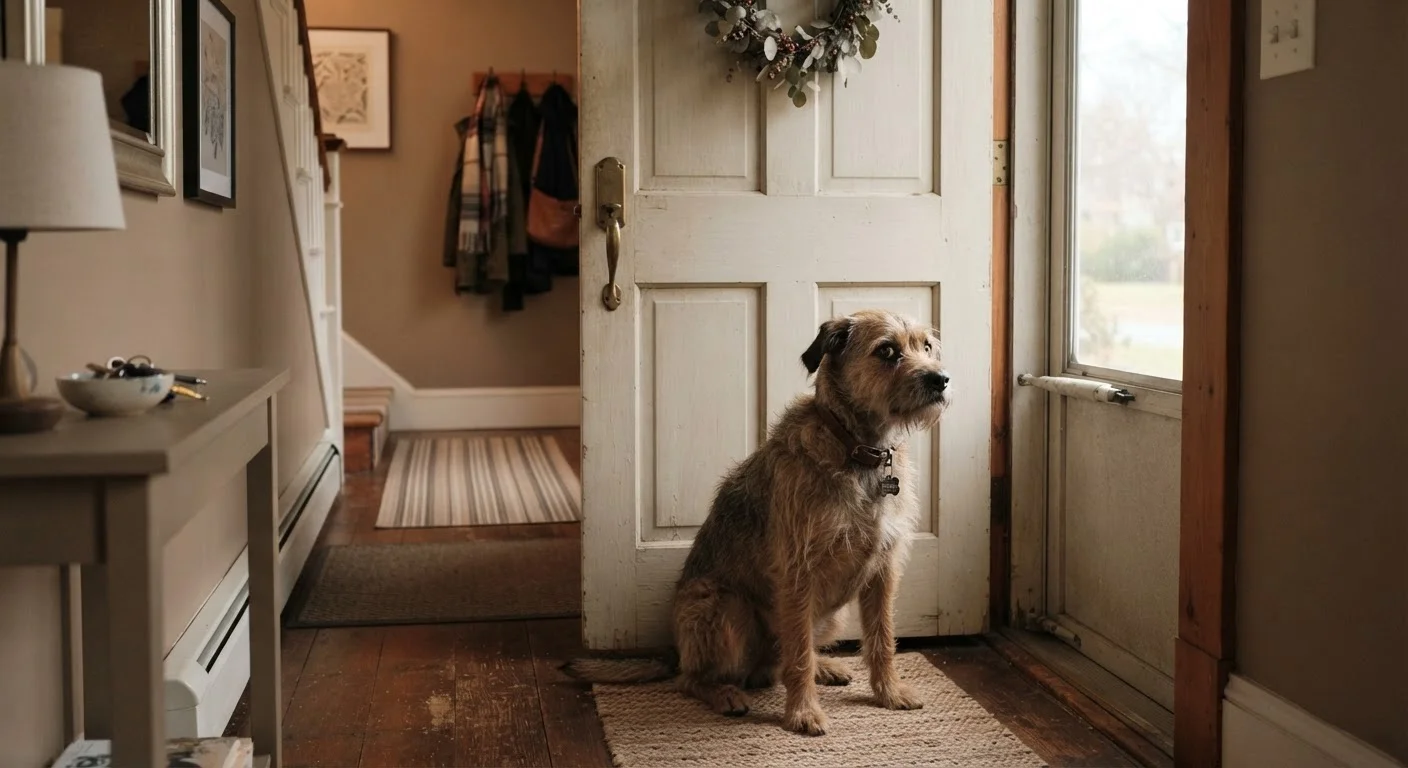
Photo: FaqExplorer.net | Informative Website editorial
Key Takeaways
- Destructive behavior when alone is often anxiety-driven, not spite or defiance.
- True separation anxiety differs from boredom; a correct diagnosis shapes the right response.
- Gradual desensitization is the most evidence-supported behavioral intervention.
- Medication prescribed by a vet can be a valuable part of treatment for moderate to severe cases.
- Early intervention generally leads to better outcomes than waiting for the behavior to escalate.
- Punishment worsens anxiety - management and positive reinforcement are the recommended approaches.
What Separation Anxiety Actually Looks Like
Many owners assume a chewed couch cushion or an overturned trash can means their dog acted out of spite. Veterinary behaviorists consistently push back on that framing. Dogs don't reason through revenge - what looks like defiance is often fear.
The hallmark of true separation anxiety is that the behaviors happen specifically in the owner's absence and tend to cluster around departure cues. Common signs include:
- Excessive vocalization - barking, howling, or whining - that begins shortly after you leave
- Destructive behavior directed at doors, windows, or exit points
- House soiling in a dog who is otherwise reliably house-trained
- Drooling, panting, or trembling during pre-departure routines (picking up keys, putting on shoes)
- Escape attempts that result in broken nails, injured paws, or damaged door frames
If you're unsure whether what you're seeing is anxiety, consider setting up a phone camera or pet camera to record your dog during the first 30-60 minutes after you leave. Patterns visible on video often clarify the picture considerably. See our guide for new dog owners if you've recently adopted and are trying to distinguish adjustment stress from a more persistent condition.
Separation Anxiety vs. Isolation Distress
Why Separation Anxiety Develops - and Who Is at Risk
Separation anxiety does not have a single cause. Research points to a combination of genetics, early socialization history, attachment style, and life events. Dogs who have experienced significant disruption - rehoming, loss of a companion, or a sudden change in the owner's schedule - appear to be at elevated risk. Certain breeds with strong attachment tendencies may also be more predisposed, though any dog can develop the condition.
Pandemic-era research drew attention to dogs who bonded intensely with owners during extended at-home periods and then struggled when those routines changed. The underlying mechanism appears to involve hyperattachment: the dog has learned to rely on a specific person as a safety signal, and that person's absence triggers a genuine panic response rather than simple loneliness.
It's worth noting that not all anxiety-adjacent behaviors signal true separation anxiety. Isolation distress - distress at being alone regardless of who is present - is a related but distinct pattern. Some dogs are also reactive to environmental triggers like thunderstorms or traffic sounds, which can look similar on the surface. A veterinarian or certified applied animal behaviorist (CAAB) can help sort through the possibilities. For a broader look at how puzzling dog behaviors are understood clinically, see what veterinary behaviorists say about confusing dog habits.
~17%
Estimated prevalence of separation anxiety in pet dogs
Various behavioral studies estimate that roughly 14-20% of dogs brought to veterinary clinics show some form of separation-related behavior problem.
Top 3
Ranking among reasons dogs are surrendered to shelters
Separation anxiety and related destructive behaviors are consistently cited among the most common reasons owners relinquish dogs to shelters in the United States.
Effective Approaches: Behavioral Modification and Veterinary Support
The most evidence-supported treatment for separation anxiety is gradual desensitization - systematically exposing the dog to shorter and longer absences in a controlled way, never exceeding the threshold that triggers panic. The goal is to build a new emotional association: being alone is safe. This process is methodical and requires patience; expecting rapid results often leads owners to push too fast and set back progress.
Key principles of a behavioral approach include:
- Start below the panic threshold. If your dog begins to show stress within two minutes of your departure, initial practice sessions may last seconds - not minutes.
- Avoid punishment entirely. Scolding a dog for anxiety-driven behavior increases fear and worsens the condition over time.
- Reduce pre-departure anxiety. Vary your departure cues so they lose their predictive weight - pick up your keys at random times without leaving.
- Work with a professional. A certified applied animal behaviorist or a veterinary behaviorist can build a structured plan tailored to your dog's specific severity level.
For moderate to severe cases, a veterinarian may recommend medication - most commonly antidepressants that help lower baseline anxiety - to make the dog more receptive to behavioral work. This is not a shortcut; it's a support tool. Medication should always be discussed with and prescribed by a licensed veterinarian familiar with your dog's health history.
This article is for general informational purposes only and is not a substitute for professional veterinary advice. If your dog is showing signs of distress, please consult a licensed veterinarian or certified animal behaviorist for guidance specific to your pet's situation.
Frequently Asked Questions
The content on this site is provided for informational purposes only and should not be considered a substitute for professional advice. While we strive to provide accurate and up-to-date information, we make no guarantees regarding its completeness or accuracy. Always consult a qualified professional for advice specific to your circumstances before making any decisions.