
Seasonal Home Maintenance Tasks Most Owners Overlook

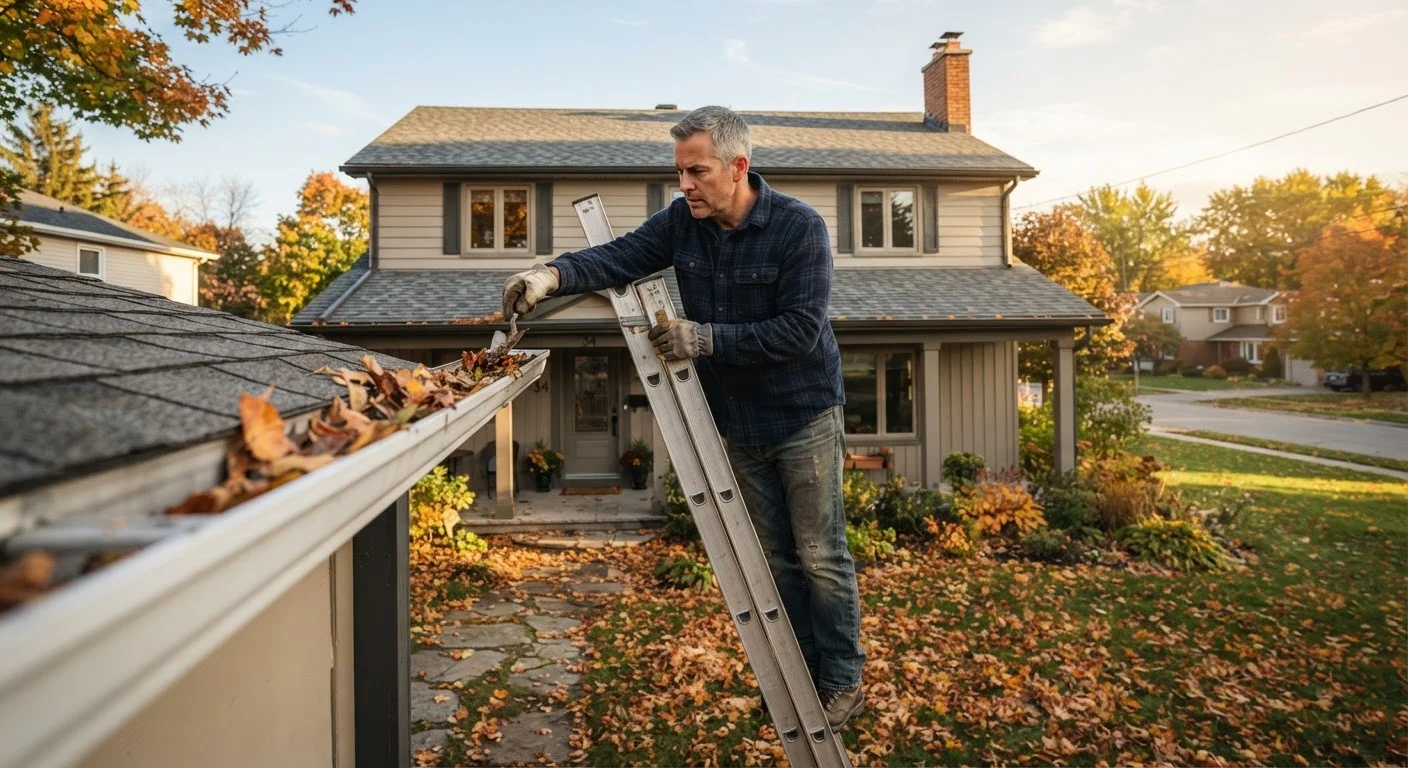
Photo: FaqExplorer.net | Informative Website editorial
Key Takeaways
- Most homeowners skip maintenance tasks that directly affect energy efficiency and structural integrity.
- A seasonal checklist helps catch small problems-like failing weatherstripping-before they become expensive repairs.
- HVAC filters, water heater sediment, and gutter drainage are among the most commonly neglected items.
- Some tasks require a licensed professional; knowing which ones protects both safety and code compliance.
- Pairing maintenance habits with a household budget improves long-term financial preparedness.
Why Seasonal Audits Matter More Than You Think
Most homeowners handle the obvious emergencies-a leaking pipe, a broken furnace-but skip the quieter maintenance tasks that prevent those emergencies in the first place. The result is accelerated wear, higher utility bills, and repair costs that dwarf what a simple annual inspection would have cost.
A structured seasonal approach changes that dynamic. Rather than reacting to failures, you're identifying small issues-a cracked caulk joint, a clogged dryer vent, a water heater running past its service interval-while they're still inexpensive to address. This checklist covers the items most commonly skipped, organized by category so you can work through one area at a time. For broader project context, see the complete homeowner's roadmap that covers everything from routine upkeep to major renovations.
Before you begin, gather the tools listed below and budget roughly 30-60 minutes per full seasonal pass.
Ladder (6-10 ft. step or extension)
Safely access gutters, exterior light fixtures, and high exterior surfaces for inspection.
Caulking gun and all-purpose exterior caulk
Seal gaps around windows, doors, and exterior penetrations to prevent air and water intrusion.
Replacement HVAC filters (correct size for your system)
Swap out dirty filters to maintain air quality and system efficiency.
Garden hose with shut-off nozzle
Flush water heater sediment and test exterior drainage from downspouts.
Flashlight or headlamp
Inspect attic, crawl space, under-sink plumbing, and other low-light areas safely.
Voltage tester (non-contact)
Verify power is off before inspecting any electrical components-never assume a circuit is dead.
Gutter scoop or garden trowel
Remove compacted leaf debris and sediment from gutters efficiently.
The Seasonal Maintenance Checklist
The items below are grouped by system or area of the home. Work through each group in sequence, or tackle the categories most relevant to your current season. Items marked must are non-negotiable for safety or major cost-avoidance; should items are strongly recommended; nice to have items add comfort and efficiency but can be deferred.
HVAC & Ventilation
Exterior & Drainage
Plumbing & Water Systems
Weatherization & Energy Efficiency
Safety Systems
Don't Ignore Minor Leaks or Moisture Signs
Keeping maintenance costs predictable is easier when they're built into your monthly spending plan. The monthly budget checklist can help you allocate for irregular home expenses before they arrive.
Tasks That Require a Licensed Professional
Several items on this checklist involve systems where DIY work is either unsafe or requires a permit under most local building codes. These include:
- Electrical panel inspection: Checking for overloaded circuits, corrosion, or outdated wiring should be done by a licensed electrician. Never remove a panel cover yourself unless you are qualified to do so.
- Gas appliance servicing: Annual furnace tune-ups that involve burner inspection or gas valve testing must be performed by a certified HVAC technician.
- Roof structural assessment: If you notice sagging, interior water stains, or missing decking, a licensed roofing contractor or structural engineer should evaluate the roof-not a general handyperson.
- Chimney inspection and sweeping: The Chimney Safety Institute of America recommends annual inspections by a certified chimney sweep before the first fire of the season.
Always verify local permit requirements before beginning any repair work. What's allowed as a homeowner task in one jurisdiction may require a licensed contractor in another. If you're also preparing your vehicle for seasonal changes, the pre-winter vehicle prep checklist covers the parallel process for your car.
Carbon Monoxide Risks Spike in Heating Season
The content on this site is provided for informational purposes only and should not be considered a substitute for professional advice. While we strive to provide accurate and up-to-date information, we make no guarantees regarding its completeness or accuracy. Always consult a qualified professional for advice specific to your circumstances before making any decisions.