
Things People Wish They'd Known Before Buying Their First Car

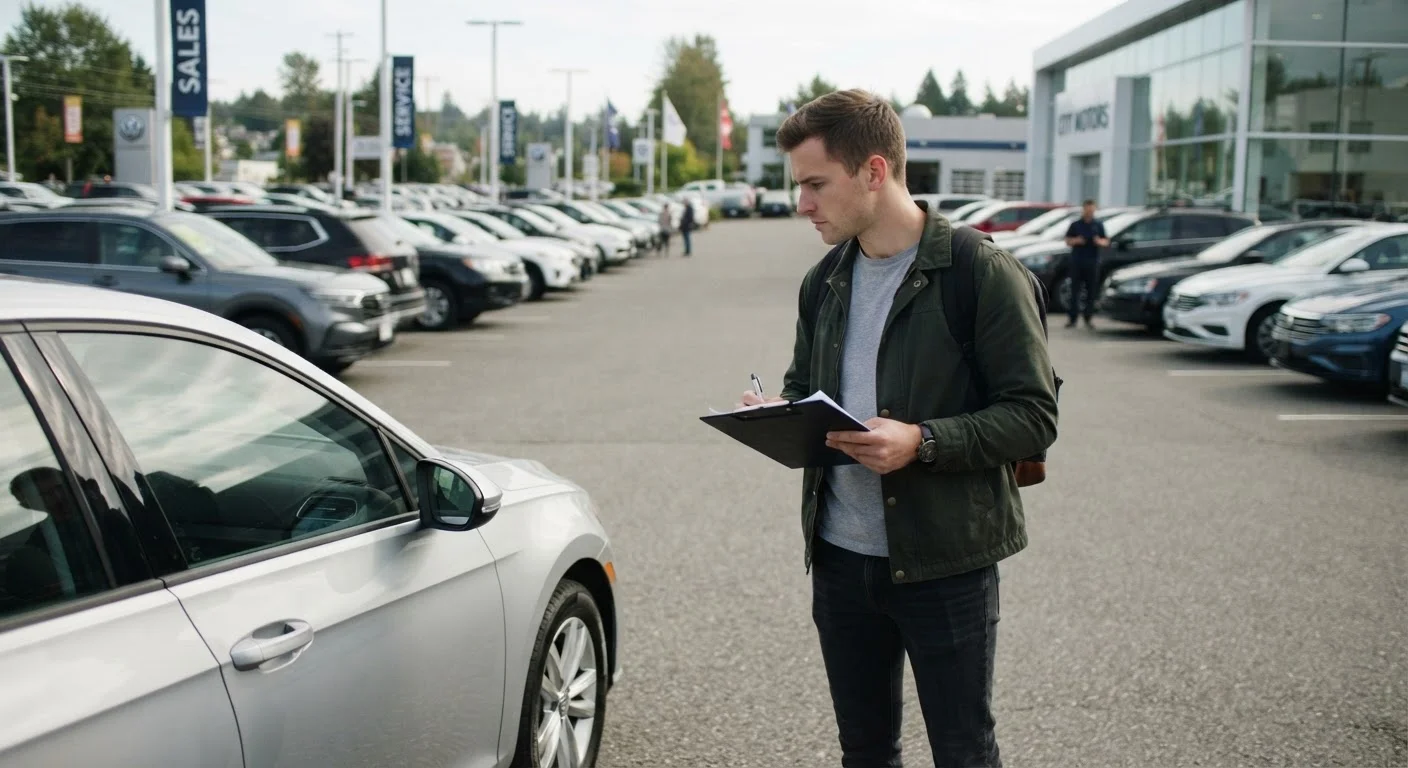
Photo: FaqExplorer.net | Informative Website editorial
Key Takeaways
- The sticker price is only a fraction of what a car actually costs to own.
- Your credit score directly affects the interest rate you'll be offered on an auto loan.
- Getting pre-approved for financing before visiting a dealership gives you negotiating leverage.
- A pre-purchase inspection by an independent mechanic can reveal costly hidden problems.
- Insurance, registration, and maintenance costs vary significantly by vehicle - research them upfront.
The Real Cost of Owning a Car
Most first-time buyers focus on the sticker price. That's understandable - it's the biggest number in front of you. But the purchase price is only the beginning. The ongoing costs of ownership catch many new owners off guard.
Before committing, account for these recurring expenses:
- Auto insurance: Rates vary widely based on your age, driving history, location, and the vehicle itself. Young drivers typically pay more. Get quotes before you choose a vehicle - insurance on a sports car or SUV can be significantly higher than on a sedan.
- Fuel: Calculate estimated monthly fuel costs based on the vehicle's EPA fuel economy rating and your expected annual mileage.
- Maintenance and repairs: Oil changes, tires, brake pads, and unexpected repairs are real costs. Some vehicles are far less expensive to maintain than others. Check available reliability data from sources like Consumer Reports or J.D. Power before deciding.
- Registration and taxes: Annual registration fees and any applicable state or local taxes add to the total cost of ownership.
For a fuller picture of what ownership looks like month to month, see our guide on car ownership from the start.
Run the Numbers Before You Shop
How Financing Actually Works
Dealer financing is convenient, but it isn't always the most straightforward arrangement. Understanding the basics before you walk in protects you from terms that look reasonable on the surface but cost more over time.
MSRP
Manufacturer's Suggested Retail Price - the price the automaker recommends the vehicle be sold for. Dealers may sell above or below this figure depending on supply and demand.
APR
Annual Percentage Rate - the yearly cost of borrowing money, expressed as a percentage. A lower APR means you pay less interest over the life of the loan.
Out-the-door price
The total amount you actually pay for a vehicle, including taxes, registration fees, and dealer fees. This is the number to negotiate, not just the vehicle price.
Gap insurance
An optional add-on that covers the difference between what you owe on a car loan and what your insurer pays out if the vehicle is totaled - useful when the loan balance exceeds the vehicle's market value.
Depreciation
The decline in a vehicle's market value over time. New vehicles typically lose a significant portion of their value in the first few years of ownership.
Pre-purchase inspection (PPI)
An evaluation of a used vehicle by an independent mechanic before the sale is finalized, intended to identify mechanical or structural issues not obvious to the buyer.
A few things every first-time buyer should know:
- Your credit score matters: Lenders use it to determine your interest rate. A higher score generally means a lower rate and less paid in interest over the life of the loan.
- Loan term affects total cost: A longer loan term lowers your monthly payment but increases the total interest you pay. A 72-month loan on the same vehicle will cost more overall than a 48-month loan.
- Get pre-approved first: Apply at your bank or credit union before visiting a dealership. Pre-approval gives you a benchmark rate and separates vehicle price negotiations from financing discussions.
- Watch the F&I office: The Finance and Insurance (F&I) office at a dealership is where add-ons like extended warranties, gap insurance, and paint protection are offered. Each adds to your loan balance. Evaluate them individually - don't accept a package without understanding each item.
For a step-by-step walkthrough of the entire purchase process, refer to our car-buying process guide.
What to Do Before You Set Foot in a Dealership
Preparation is the most effective leverage a buyer has. Dealers work in this environment every day - shoppers typically don't. Closing that knowledge gap beforehand makes a real difference.
Research the vehicle thoroughly. Use sites that aggregate pricing data to understand what a given make and model is actually selling for in your area - not just the manufacturer's suggested retail price (MSRP). Know the difference between invoice price (what the dealer paid) and MSRP.
Get a vehicle history report. For used vehicles, services like Carfax or AutoCheck provide records of accidents, title issues, odometer readings, and service history. These aren't perfect, but they surface important red flags.
Arrange an independent inspection. A licensed mechanic - not affiliated with the seller - should inspect any used vehicle before you buy. Expect to pay $100-$200 for this service. It's one of the most cost-effective steps you can take.
Test drive thoroughly. Drive at highway speed, brake hard in a safe area, test all electronics, listen for unusual sounds, and check visibility from the driver's seat in real-world conditions.
Red Flags During the Buying Process
Some pressure tactics and deal structures are common enough that first-time buyers should know them by name.
- Negotiating only on monthly payment: Focusing solely on the monthly number allows the dealer to stretch the loan term or roll in extras without making the total cost obvious. Always negotiate the out-the-door price first.
- Spot delivery before financing is finalized: Some dealerships allow buyers to take a vehicle home before the loan is approved - a practice sometimes called "yo-yo financing." If the financing falls through, you may be called back and offered less favorable terms. Be cautious about taking delivery before receiving final paperwork.
- Pressure to decide immediately: Legitimate deals don't evaporate overnight. If you feel rushed into signing, that's a signal to slow down.
- Vague or unsigned paperwork: Review every document carefully before signing. Ask for clarification on any term you don't understand. You're entitled to copies of everything.
Don't Focus Only on Monthly Payments
For broader context on how first-time purchase mistakes happen across major buying decisions, our piece on home buying myths covers similar patterns in a different market.
After the Purchase: What Comes Next
Signing the paperwork is the beginning, not the end. A few steps immediately after purchase set you up for lower long-term costs and fewer surprises.
Register the vehicle promptly. Most states require registration within 30 days of purchase. Fees and timelines vary by state - check your DMV's website for specifics.
Set up an insurance policy before you drive. You need coverage in place before the vehicle leaves the lot. If you bought through a dealer, confirm your policy is active - don't assume the dealer handled it.
Follow the maintenance schedule. Your owner's manual includes a manufacturer-recommended service schedule. Sticking to it is one of the most direct ways to protect your investment. To understand which habits cause premature wear, see our article on mistakes that shorten a car's lifespan.
Build an emergency repair fund. Even well-maintained vehicles need unplanned repairs. Setting aside a dedicated fund - even a modest amount per month - reduces the financial shock when something breaks.
Owning a car is a long-term commitment. The choices you make in the first few weeks of ownership often determine how much you'll spend - and how much you'll enjoy the vehicle - for years to come. For more on ongoing car ownership, our hub covers insurance, maintenance, and the financial realities in detail.
Frequently Asked Questions
The content on this site is provided for informational purposes only and should not be considered a substitute for professional advice. While we strive to provide accurate and up-to-date information, we make no guarantees regarding its completeness or accuracy. Always consult a qualified professional for advice specific to your circumstances before making any decisions.