
Mistakes That Shorten a Car's Lifespan Faster Than People Realize

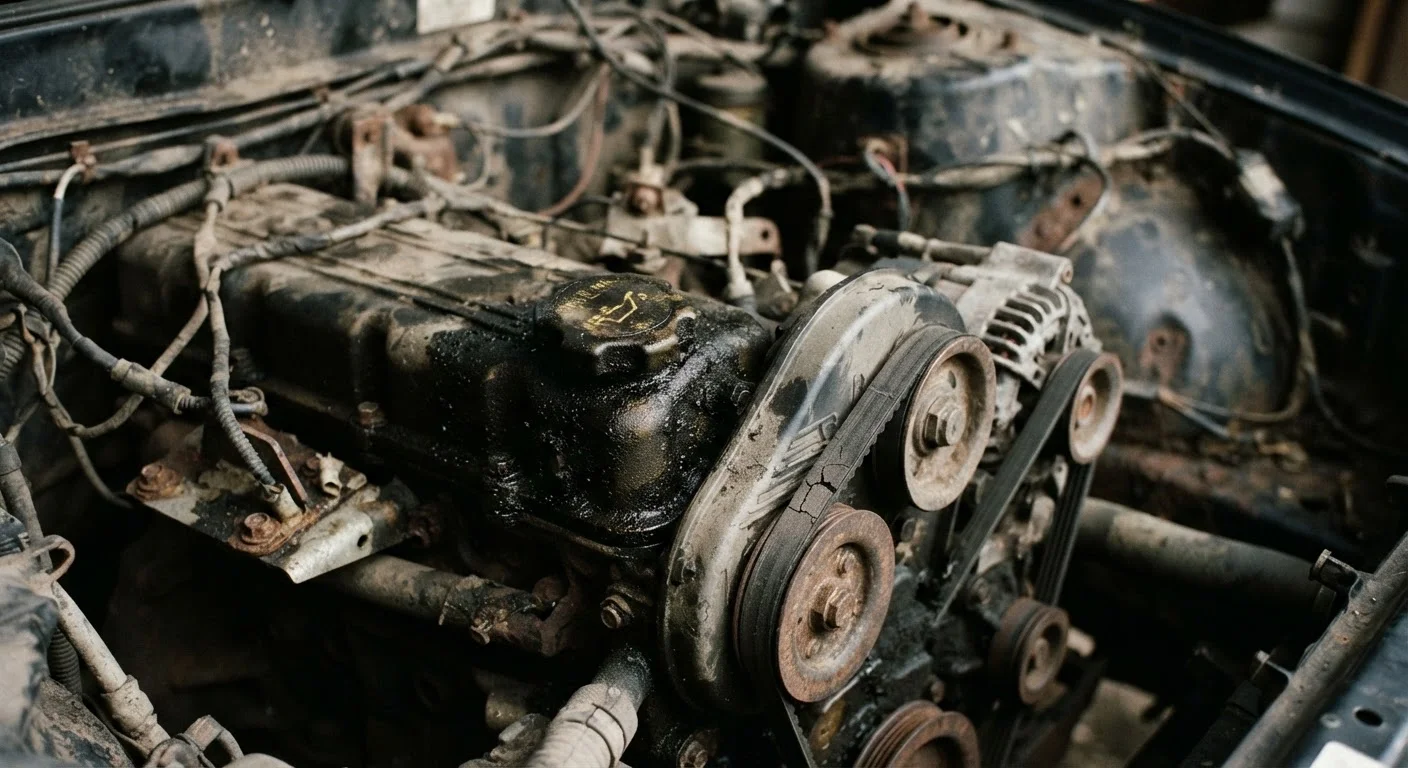
Photo: FaqExplorer.net | Informative Website editorial
Key Takeaways
- Skipping oil changes is one of the fastest ways to accelerate engine wear and failure.
- Ignoring dashboard warning lights often turns a small fix into an expensive repair.
- Hard acceleration and braking from a cold engine significantly increases long-term wear.
- Driving on underinflated tires degrades both the tires and the suspension faster than most drivers expect.
- Deferred maintenance compounds - small neglected issues rarely stay small.
Why Small Habits Determine Long-Term Reliability
A car's longevity isn't determined by a single catastrophic event - it's the product of thousands of small decisions made over years of ownership. The drivers who consistently get 200,000 or more miles out of a vehicle aren't necessarily driving premium models; they're simply avoiding the routine habits that quietly erode mechanical health.
The costs of these habits aren't always immediate. That's precisely what makes them dangerous. A missed oil change, a warning light dismissed, a few months on underinflated tires - none of these feel dramatic in the moment. But they compound. Understanding the hidden costs of car ownership means recognizing that repair bills are often the downstream result of upstream neglect.
Skipping or delaying oil changes beyond the manufacturer's recommended interval.
Ignoring dashboard warning lights until the problem becomes undeniable.
Driving hard immediately after a cold start, especially in cold weather.
Neglecting tire pressure and rotation schedules.
Running fluids - coolant, brake fluid, transmission fluid - until they're severely degraded or low.
Riding the brakes on long downhill stretches instead of using engine braking.
Building Habits That Actually Protect Your Vehicle
The antidote to most of these mistakes isn't specialized knowledge - it's consistency. A structured approach to maintenance, matched to your actual driving habits and vehicle age, prevents the kind of deferred-repair spiral that shortens vehicle life dramatically. Building a maintenance schedule that works is a practical starting point for anyone who wants a repeatable system rather than reactive guesswork.
Cold Starts Need a Gentle Warm-Up
For vehicles already past the 100,000-mile mark, the calculus shifts somewhat - certain components need closer attention and some maintenance intervals tighten. Keeping a high-mileage car running well covers the mindset and mechanical priorities that matter most as a vehicle ages. The goal in every case is the same: catching problems while they're still inexpensive, and not giving small issues time to become large ones.
~40%
Of engine wear occurs at cold start
Engineering studies on engine tribology suggest a significant share of total engine wear happens during cold-start conditions before oil fully circulates.
5,000-7,500 mi
Typical modern oil change interval
Most manufacturers specify this range for conventional oil under normal driving conditions, though synthetic oil may allow longer intervals per owner's manual guidance.
25%
Fuel efficiency loss from underinflation
The U.S. Department of Energy estimates that tires underinflated by just 1 PSI per tire can reduce fuel economy by about 0.2%, with cumulative losses growing quickly.
The content on this site is provided for informational purposes only and should not be considered a substitute for professional advice. While we strive to provide accurate and up-to-date information, we make no guarantees regarding its completeness or accuracy. Always consult a qualified professional for advice specific to your circumstances before making any decisions.