
What 'Out-the-Door Price' Really Means - and Why It Matters

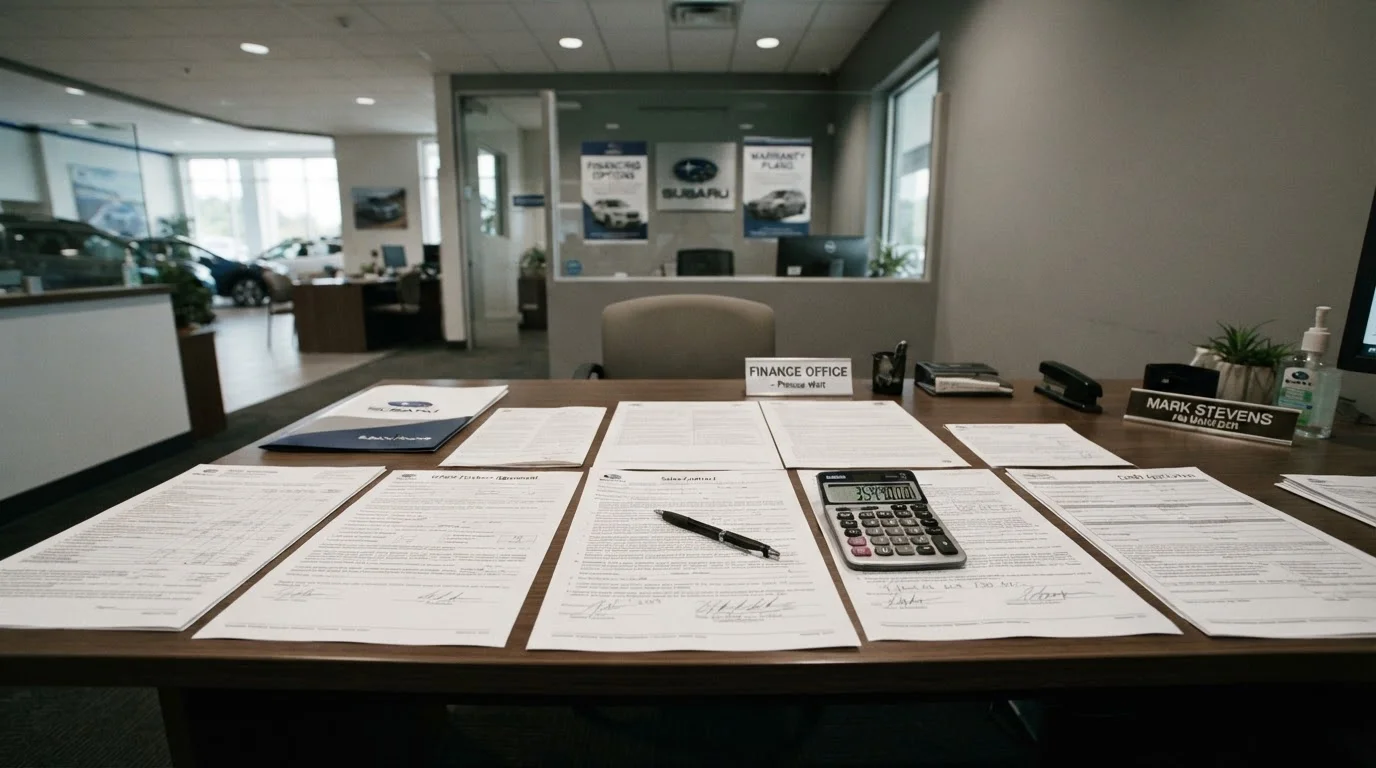
Photo: FaqExplorer.net | Informative Website editorial
Key Takeaways
- The sticker price and the out-the-door price are rarely the same number.
- Taxes, title, registration, and doc fees can add $1,000-$5,000 or more to the sticker price depending on the state.
- Always ask for the out-the-door price in writing before agreeing to any purchase.
- Some dealer add-ons are optional and can be declined or negotiated.
- Comparing OTD prices - not just vehicle prices - is the only accurate way to shop across dealerships.
Why the Sticker Price Is Just the Starting Point
Walk into almost any dealership and you will see a price displayed prominently on the window - the Monroney sticker on new cars, or an asking price on used ones. That number is real, but it is not what you will actually pay. By the time the finance office is done, the final figure is almost always higher, sometimes by a significant margin.
The gap between the advertised price and what you hand over at signing is where many buyers get caught off-guard. Understanding what fills that gap is the first step to staying in control of the transaction. See our guide on why buyers overpay at the dealership for the dynamics that make this gap grow.
$1,000-$5,000+
Typical fees added above sticker price
Taxes, title, registration, and doc fees vary by state and vehicle value, but commonly add four figures to the transaction total.
~$500
Average documentation fee range
Doc fees vary widely; states without a statutory cap allow dealers to set their own rates, sometimes reaching $700-$900 or more.
50+
Different state sales tax rates affecting car purchases
Every U.S. state has a different approach to vehicle sales tax, and local jurisdictions often add additional rates on top.
What Gets Added Between Sticker and OTD
The out-the-door price is built from several distinct layers. Knowing what each one is - and whether it is fixed or flexible - puts you in a much stronger negotiating position.
Sales Tax
State and local sales tax is almost always the largest addition. Tax rates vary considerably by jurisdiction, and in some states, county or municipal taxes stack on top of the state rate. This portion is non-negotiable; it is a government charge, not a dealer fee.
Title and Registration Fees
Every vehicle transfer requires a new title, and every vehicle on public roads must be registered. These fees go to your state's motor vehicle agency. Like sales tax, they are set by law and not subject to dealer negotiation.
Documentation Fee
The doc fee covers the dealer's cost of processing paperwork. In states with no statutory cap, this fee can range from under $100 to several hundred dollars. Some dealers treat it as firm; others will negotiate or apply it as a credit elsewhere in the deal.
Dealer Add-Ons
This is where the most avoidable costs often hide. Items like paint protection, fabric sealant, nitrogen-filled tires, and GPS tracking devices may appear pre-installed with their costs already baked into the price. Many are optional. Ask specifically which add-ons are included and request removal of those you did not choose. Common car-buying myths often lead buyers to assume these charges are mandatory - they frequently are not.
Ask for the OTD Quote Before Visiting
How to Get and Use the OTD Price
Before you spend time at a dealership - or sign anything - ask for the out-the-door price in writing. This can often be done via email or the dealer's online quote tool, which has the added benefit of creating a paper trail.
When you receive a quote, verify that it itemizes every component: negotiated vehicle price, taxes, title, registration, doc fee, and any add-ons. A legitimate OTD quote should be transparent about all of these. If a dealer is vague or refuses to break out the line items, treat that as a signal to ask again - or to contact another dealer.
Use OTD quotes for apples-to-apples comparisons. Two dealers listing the same model at the same sticker price can still produce different OTD totals based on their doc fees and any add-ons. The only fair comparison is the final number you would actually pay.
Keep in mind that the OTD price covers the purchase transaction - not what comes after. For a realistic picture of what the vehicle will cost to keep on the road, see The Hidden Costs of Car Ownership Most Drivers Don't Budget For. And if long-term value is a concern, understanding vehicle depreciation is worth doing before you commit.
Frequently Asked Questions
The content on this site is provided for informational purposes only and should not be considered a substitute for professional advice. While we strive to provide accurate and up-to-date information, we make no guarantees regarding its completeness or accuracy. Always consult a qualified professional for advice specific to your circumstances before making any decisions.