
Auto Insurance Coverage Types, Decoded

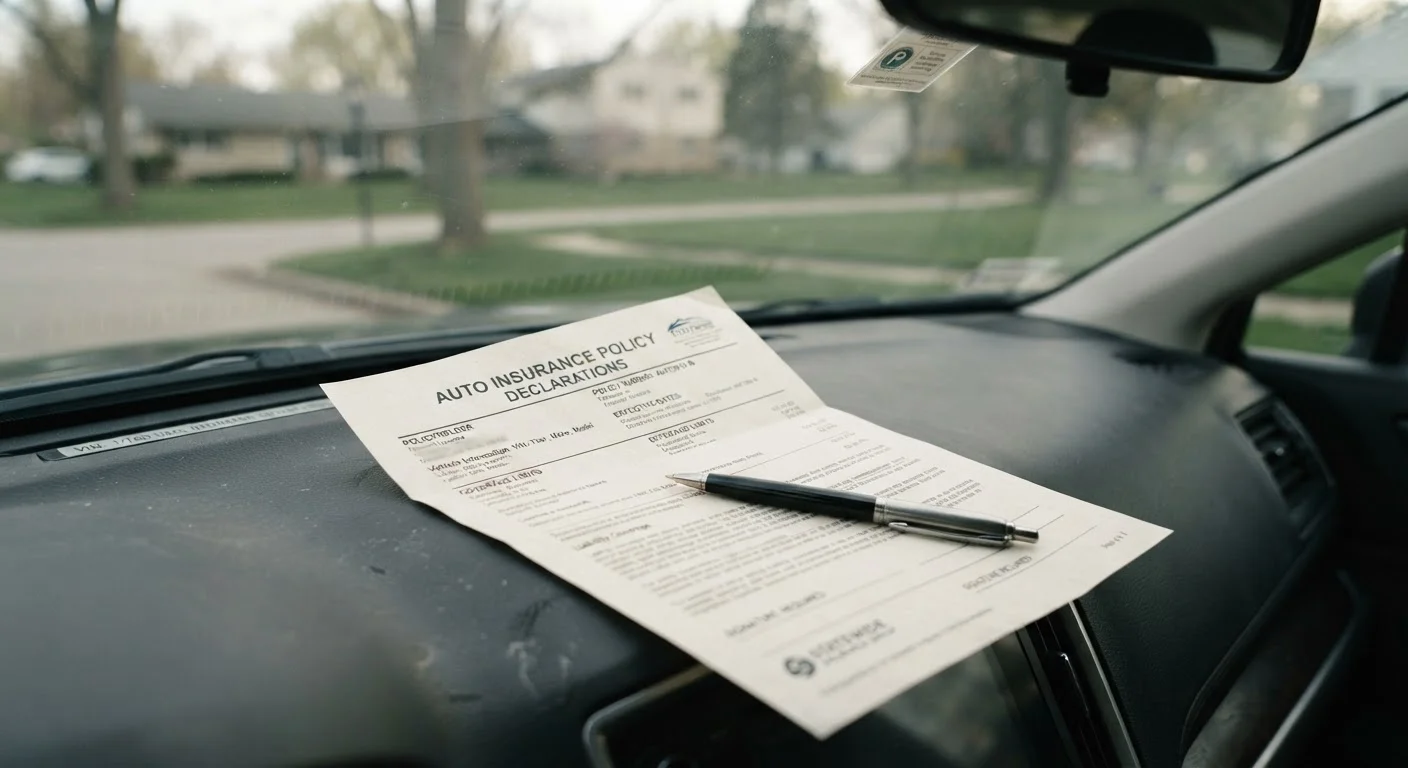
Photo: FaqExplorer.net | Informative Website editorial
Key Takeaways
- Liability insurance is legally required in most U.S. states and covers damage you cause to others - not your own vehicle.
- Collision and comprehensive are separate add-ons that protect your own car under different circumstances.
- Uninsured and underinsured motorist coverage fills gaps when the at-fault driver lacks adequate insurance.
- Medical payments (MedPay) and personal injury protection (PIP) cover occupant injuries, regardless of fault.
- Your lender may require collision and comprehensive coverage if you're financing or leasing a vehicle.
- Choosing the right coverage mix depends on your vehicle's value, loan status, and personal financial risk tolerance.
Liability Coverage: The Legal Foundation
Liability insurance is the baseline that most states mandate before a driver can legally operate a vehicle. It covers two categories: bodily injury liability, which pays for injuries to other people when you're at fault, and property damage liability, which pays for damage to other vehicles or structures you hit.
Critically, liability does not pay to repair your own vehicle or cover your own medical bills. State-mandated minimums are often expressed as split limits - for example, 25/50/25 means $25,000 per injured person, $50,000 per accident for all injuries, and $25,000 for property damage. These minimums can be dangerously low in a serious accident, which is why many drivers carry limits well above the legal floor.
If you're exploring coverage as part of a broader vehicle purchase decision, the buying a car hub covers what to anticipate in the overall ownership cost picture.
Collision and Comprehensive: Protecting Your Own Vehicle
These two coverages are often bundled together but serve entirely different purposes.
Collision coverage pays for damage to your vehicle after an accident with another car or object - a guardrail, a pole, or another vehicle in a parking lot. It applies regardless of fault, though your insurer may pursue the at-fault driver's carrier afterward through a process called subrogation.
Comprehensive coverage addresses losses that have nothing to do with a collision: vehicle theft, vandalism, fire, flooding, hail damage, or a deer running into your path. Because these events are unpredictable and often unpreventable, comprehensive is considered a high-value protection for vehicles with meaningful market value.
Both coverages involve a deductible - the amount you pay out of pocket before insurance kicks in. Choosing a higher deductible lowers your premium but increases your exposure after a loss. If you're financing or leasing, your lender almost certainly requires both coverages.
~13%
U.S. drivers estimated to be uninsured
According to the Insurance Research Council, roughly one in eight U.S. drivers was uninsured in recent study periods, underscoring the value of UM/UIM coverage.
$5,000-$10,000+
Average collision claim payout range
Industry data from the Insurance Information Institute indicates that average collision claim payouts have risen alongside vehicle repair costs and parts complexity.
50 states
Jurisdictions with distinct insurance rules
Each U.S. state sets its own minimum coverage requirements, meaning drivers relocating or purchasing across state lines should verify the rules that apply to them.
Uninsured, Underinsured, and Medical Coverages
Even when you drive responsibly, other drivers don't always have adequate coverage. Uninsured motorist (UM) coverage steps in when an at-fault driver carries no insurance at all. Underinsured motorist (UIM) coverage applies when the at-fault driver's policy limits aren't high enough to cover your damages. Both can be structured to cover bodily injury, property damage, or both.
Medical payments coverage (MedPay) and personal injury protection (PIP) are injury-focused coverages for you and your passengers. PIP is more comprehensive - it can include lost wages and rehabilitation - and is required in no-fault states, where each driver's own insurer pays for their injuries regardless of who caused the crash. MedPay is narrower and available in at-fault states as an add-on.
“The purpose of insurance is to restore you financially to where you were before the loss - not to profit from it. Knowing which coverage applies to which risk is the only way to make sure you're actually protected.”
— J.D. Howard, Consumer insurance educator and policy analyst
For drivers who've financed their vehicle, it's also worth understanding how a total-loss payout interacts with what's owed on the loan - a gap that specialized coverage can address. See our explainer on gap insurance for how that works.
Choosing the Right Mix of Coverage
No single combination fits every driver. Several factors shape the right approach:
- Vehicle age and value: If your car's market value is low relative to what collision or comprehensive would cost annually, carrying those coverages may not be financially efficient.
- Loan or lease status: Lenders remove the choice - comprehensive and collision are required until the vehicle is owned outright.
- State requirements: PIP may be mandatory depending on where you live. UM/UIM is required in some states and optional in others.
- Personal finances: Higher deductibles reduce premiums but require you to absorb more in the event of a loss. This only makes sense if you have adequate reserves to cover that gap.
Understanding what your policy actually covers - and excludes - is as important as the coverage level itself. For context on how this kind of fine-print awareness applies to other vehicle-related contracts, our article on reading extended warranty and service contract terms walks through a similar evaluative process.
This article provides general information about auto insurance coverage types and is not a substitute for personalized advice from a licensed insurance professional. Coverage requirements, availability, and terms vary by state and insurer.
Frequently Asked Questions
The content on this site is provided for informational purposes only and should not be considered a substitute for professional advice. While we strive to provide accurate and up-to-date information, we make no guarantees regarding its completeness or accuracy. Always consult a qualified professional for advice specific to your circumstances before making any decisions.