
Signs a Mechanic Is Being Straight With You - and Signs They're Not

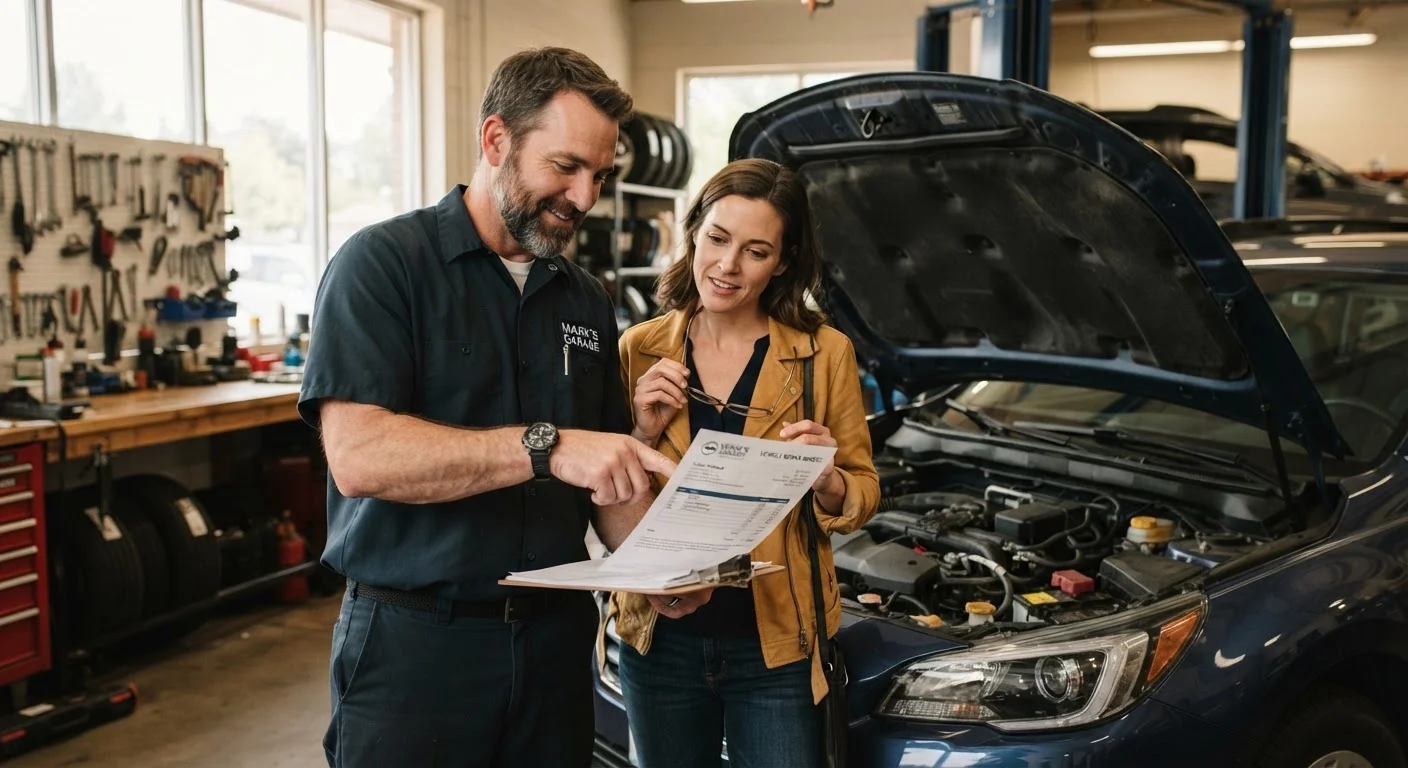
Photo: FaqExplorer.net | Informative Website editorial
Key Takeaways
- A trustworthy mechanic shows you the problem directly rather than just describing it verbally.
- Pressure to approve repairs immediately - without time to think - is a common warning sign.
- Written estimates with itemized parts and labor costs are a baseline standard for any reputable shop.
- Mechanics who welcome second opinions are generally more confident in their honest diagnoses.
- Vague explanations, upsells on every visit, and scare tactics are red flags worth taking seriously.
Why This Matters More Than Most Drivers Realize
Most Americans spend hundreds - sometimes thousands - of dollars each year on vehicle maintenance and repairs. Yet many feel completely out of their depth the moment a mechanic starts talking. That information gap is exactly where trust problems arise.
The good news: you don't need to be a car expert to recognize honest communication. Trustworthy mechanics follow patterns. So do questionable ones. Learning to tell the difference protects both your wallet and your vehicle's long-term reliability.
Whether you're dealing with a shop for the first time or reconsidering a long-standing relationship, the signs below give you a concrete way to assess what you're hearing - and whether it holds up.
They show you the problem - not just describe it
An honest mechanic will bring you into the shop (or bring the part to you) and point out exactly what's wrong. Whether it's a cracked belt, a leaking gasket, or worn brake pads, the physical evidence should be visible and explainable. If a shop insists on verbal-only explanations with no visual confirmation, that's a gap worth questioning.
Physical evidence of the problem - not just a verbal claim - is a baseline sign of honest diagnosis.
They provide a written, itemized estimate before starting
A reputable shop will give you a written estimate that breaks out parts costs from labor costs. This isn't just courtesy - in most U.S. states, shops are legally required to provide written estimates above a certain dollar threshold and to obtain authorization before exceeding that amount. If you're handed a vague quote or asked to authorize an open-ended amount, push back and request specifics.
Itemized written estimates aren't just good practice - they're often required by state consumer protection law.
They explain the "why" in plain language
Good mechanics know how to translate technical problems into language a non-specialist can understand. If a shop's explanation leaves you more confused than when you walked in - and they don't attempt to clarify - that's a problem. It may not always signal dishonesty, but a mechanic who can't explain a repair in plain terms is harder to hold accountable.
If you can't understand the explanation after asking follow-up questions, that's worth noting.
They welcome second opinions without pushback
A mechanic who's confident in their diagnosis has nothing to fear from a second opinion. If asking for one is met with irritation, dismissal, or suddenly-urgent warnings that your car is dangerous to drive today, treat that reaction as meaningful. Legitimate shops understand that major repair decisions warrant comparison - especially on high-cost jobs.
Confidence in an honest diagnosis means welcoming - not resisting - a second opinion.
Upsells appear on every visit - even for minor services
Every shop will recommend additional services from time to time - that's normal. But if you're being presented with a list of urgent repairs every single visit, regardless of your car's age, mileage, or what you brought it in for, that pattern is worth scrutinizing. Compare any recommendations against your vehicle's owner's manual maintenance schedule, which is the manufacturer's actual guidance - not a shop's revenue target.
Your owner's manual is the most reliable reference for what your car actually needs and when.
High-pressure tactics or artificial urgency
"If you don't fix this today, your engine could fail on the highway" may occasionally be true - but it's also a classic pressure tactic. Legitimate safety concerns should come with a clear explanation of the risk, not a hard sell. A trustworthy mechanic will tell you what's urgent, what can wait, and why - and give you time to think it through. If you're being rushed to approve expensive work without time to consider or verify, slow down and ask questions. You have the right to take your car elsewhere. Drivers who feel uncertain about the advice they're getting may also benefit from reviewing the right questions to ask before committing to major automotive decisions.
Legitimate urgency is explained clearly; manufactured urgency is a sales tactic - learn the difference.
The final bill matches the estimate - or they called first
One of the clearest signs of a trustworthy shop: the bill you pay matches the estimate you approved, or you received a call before any additional work was added. Surprise charges on a final invoice - for work you didn't authorize - are not just frustrating; in many states, they may violate consumer protection regulations governing auto repair shops. A good shop tracks changes and communicates them in real time.
No surprises on the final bill - or a call before any overages - is a hallmark of a reputable shop.
How to Use This Knowledge at the Shop
No single sign makes or breaks a mechanic's trustworthiness. What matters is the pattern. A shop that shows you the worn part, writes up a clear estimate, explains why the repair is needed, and doesn't push you toward a same-day decision is checking nearly every box for honest dealing.
Keep a Simple Repair Log
On the other hand, if you're regularly leaving the shop feeling confused, pressured, or surprised by the final bill, those aren't isolated moments - they're a pattern worth acting on. Getting a second opinion costs relatively little and can save you significantly if the original diagnosis was inflated or inaccurate.
For drivers navigating bigger decisions - like evaluating a used car's maintenance history before purchase - understanding what a vehicle history report reveals can be just as important as trusting the mechanic you're working with now.
This article is for general informational purposes only. Always consult a qualified, licensed mechanic before making decisions about vehicle repairs or safety-related maintenance.
The content on this site is provided for informational purposes only and should not be considered a substitute for professional advice. While we strive to provide accurate and up-to-date information, we make no guarantees regarding its completeness or accuracy. Always consult a qualified professional for advice specific to your circumstances before making any decisions.