
The Five Factors That Shape Your Credit Score

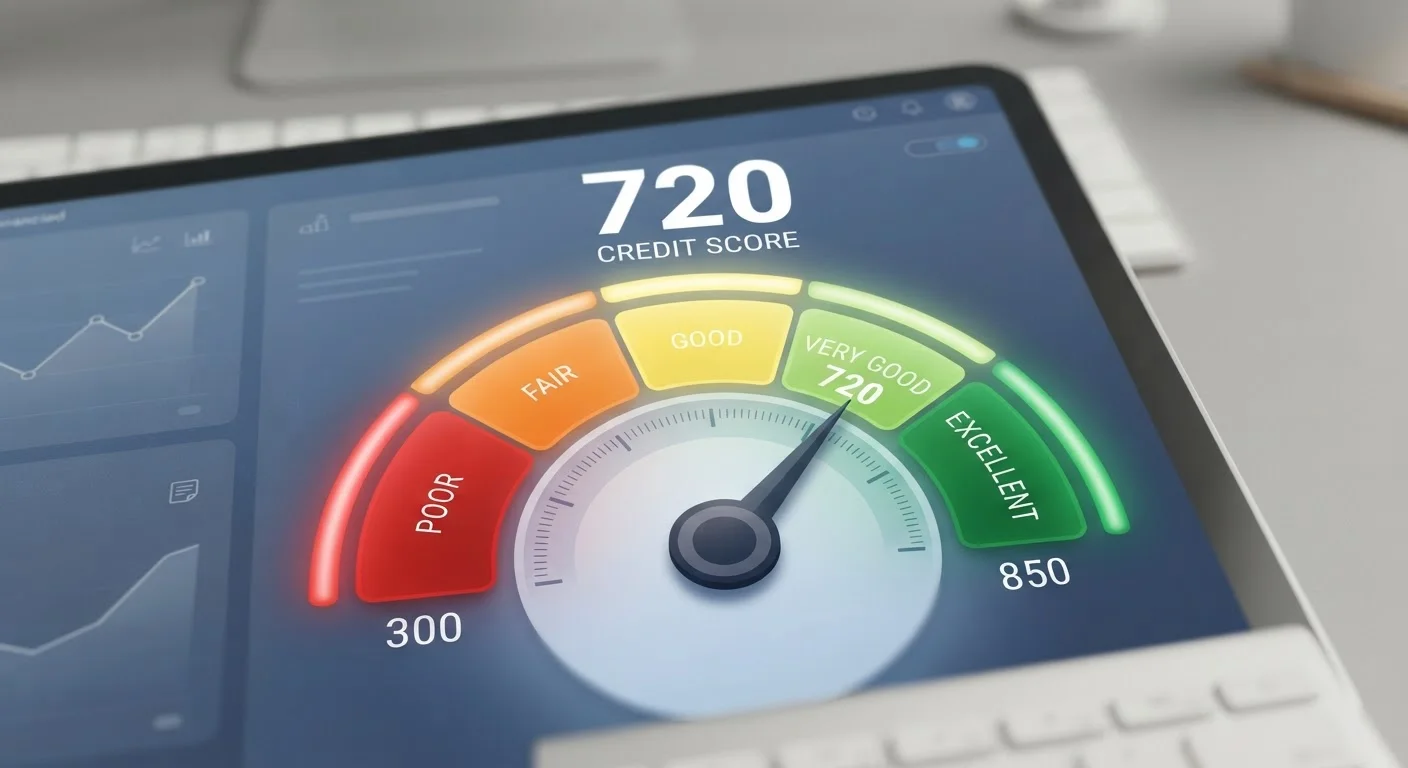
Photo: FaqExplorer.net | Informative Website editorial
Why Your Credit Score Isn't a Mystery
A credit score is not an arbitrary number. It is calculated using a structured formula that weighs five specific categories of information drawn from your credit report. Understanding what goes into that formula - and how much each piece matters - gives you a clear roadmap for managing your credit intentionally.
The most widely used scoring model in lending decisions is the FICO® Score, which ranges from 300 to 850. The five factors below reflect how FICO weights credit data, though other scoring models (such as VantageScore) use similar inputs with slightly different weightings. For a broader foundation, see Credit Scores Explained before diving into the breakdown below.
The Five Factors, Ranked by Weight
1. Payment History - 35%
The single largest factor is whether you pay your bills on time. Late payments, collections, charge-offs, bankruptcies, and foreclosures all damage this category. Even one payment that is 30 or more days late can meaningfully lower a strong score. The good news: consistent on-time payments over time gradually repair past damage.
2. Amounts Owed (Credit Utilization) - 30%
This measures how much of your available revolving credit - primarily credit cards - you are currently using. It is expressed as a ratio: balances divided by credit limits. Carrying high balances relative to your limits signals risk to lenders, even if you pay on time. Most credit counselors suggest keeping utilization below 30%, though lower is generally better. For a deeper look, see how utilization is calculated and managed.
3. Length of Credit History - 15%
Lenders prefer borrowers with a longer track record. This factor considers the age of your oldest account, your newest account, and the average age of all your accounts. Closing old accounts can shorten your average account age and potentially lower your score, which is a point often misunderstood. See common credit myths for more on this.
4. Credit Mix - 10%
Scoring models reward borrowers who can manage different types of credit responsibly. A mix of revolving accounts (credit cards) and installment loans (mortgages, auto loans, student loans) tends to be viewed more favorably than a single account type. You do not need to take on debt you don't need just to diversify - this factor carries relatively modest weight.
5. New Credit (Recent Inquiries) - 10%
Each time you apply for new credit, a hard inquiry is placed on your report. Multiple applications in a short window can signal financial stress, though the impact of a single inquiry is typically small and temporary. Scoring models generally treat multiple inquiries for the same type of loan (such as mortgage shopping) within a short period as a single inquiry.
Credit utilization ratio
The percentage of your available revolving credit that you are currently using. It is calculated by dividing your total credit card balances by your total credit limits.
Hard inquiry
A review of your credit report triggered when you apply for new credit. Hard inquiries are visible to other lenders and can slightly lower your score for a short period.
Revolving credit
A type of credit account, like a credit card, where you can borrow up to a set limit, repay it, and borrow again. Your balance and minimum payment can vary month to month.
Installment loan
A loan repaid in fixed, regular payments over a set term - such as a mortgage, auto loan, or student loan. The credit limit does not replenish as you pay it down.
Charge-off
When a lender writes off a debt as a loss after a borrower has not paid for an extended period, typically six months. The debt may still be legally owed and the charge-off remains on your credit report for up to seven years.
Putting the Factors to Work
Because payment history and credit utilization together account for nearly two-thirds of your score, those two areas offer the greatest leverage. Paying every bill on time and keeping balances low relative to your limits are the most reliable levers available to most people.
Your credit report is the raw data that feeds every one of these factors. Reviewing it regularly for errors - which are more common than many people realize - is a practical first step. If your credit profile will soon be evaluated for a major purchase, see how lenders interpret your credit history for context on what matters most at that stage.
This article is for general informational and educational purposes only and does not constitute personalized financial or credit advice. Consult a qualified financial professional for guidance specific to your situation.
The content on this site is provided for informational purposes only and should not be considered a substitute for professional advice. While we strive to provide accurate and up-to-date information, we make no guarantees regarding its completeness or accuracy. Always consult a qualified professional for advice specific to your circumstances before making any decisions.