
Building Your First Emergency Fund From Zero

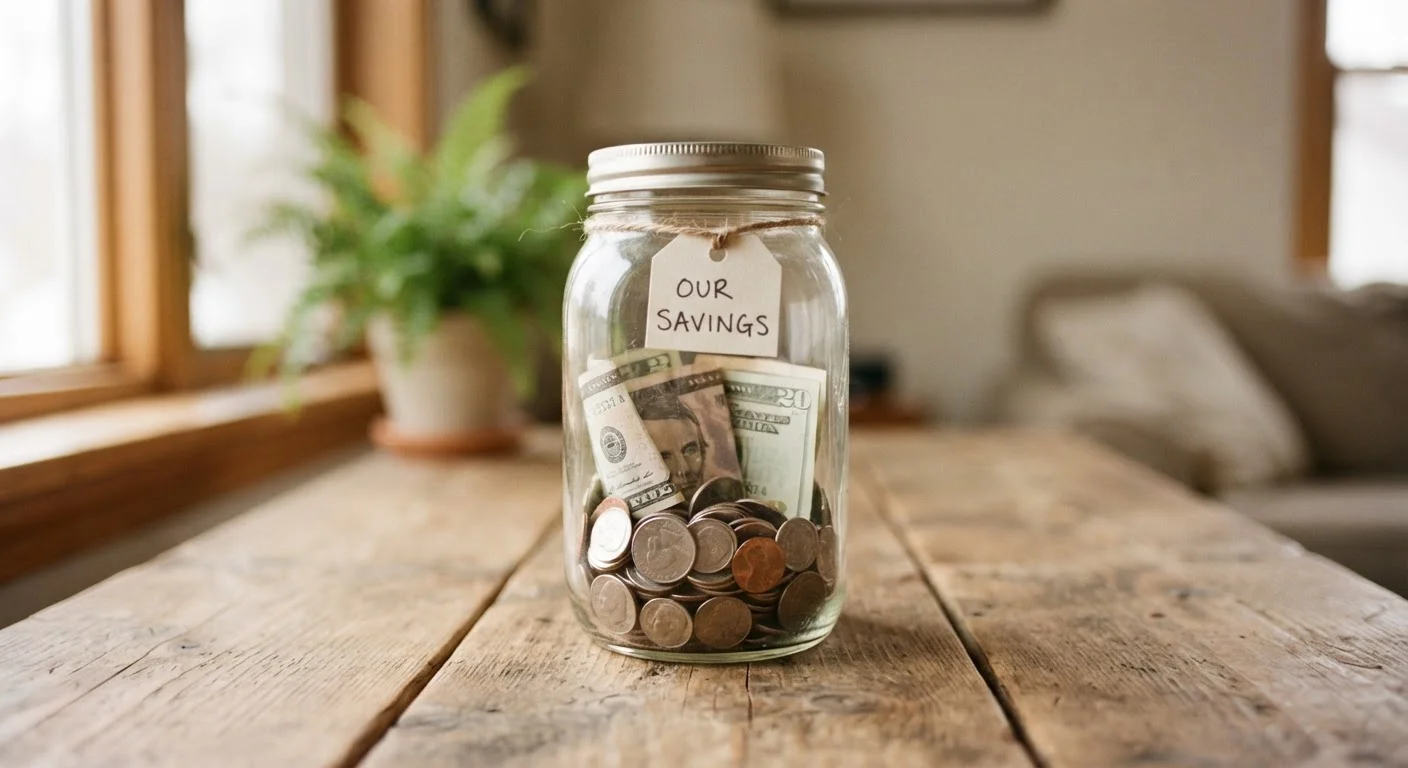
Photo: FaqExplorer.net | Informative Website editorial
Key Takeaways
- A starter goal of $500-$1,000 is a realistic first milestone before targeting three to six months of expenses.
- Automating transfers to a dedicated savings account removes the temptation to skip contributions.
- Cutting one or two small recurring expenses can meaningfully accelerate your savings timeline.
- Windfalls like tax refunds or bonuses are powerful one-time boosts toward your target.
- Keep your emergency fund in a separate account to reduce the urge to spend it on non-emergencies.
Why Starting From Zero Is Actually Normal
Most people who successfully maintain an emergency fund today started with nothing in it. Building a financial cushion from scratch is not a sign of failure - it's a starting point that the majority of Americans share at some stage of their financial lives. What separates those who build the fund from those who don't is usually a clear process, not income level.
If you're new to the concept of emergency funds entirely, our article explaining what emergency funds are and why they matter provides a useful foundation before diving into the steps below. For a broader look at personal finance fundamentals, the Personal Finance From the Ground Up guide covers budgets, savings goals, and more in plain language.
What you will need
What You'll Need Before You Begin
You don't need a high income or a financial background to build an emergency fund. You do need a few basic inputs: a clear picture of your monthly expenses, an account to hold the funds, and a contribution amount - however small - that you can commit to consistently.
Dedicated Savings Account
Holds your emergency fund separately from everyday spending money to reduce temptation and make progress visible.
Monthly Budget
Identifies how much you can realistically set aside each month after essential expenses.
Automatic Transfer Setup
Schedules recurring contributions to your savings account so saving happens without manual effort.
Savings Goal Tracker
A simple spreadsheet or budgeting app that shows your progress toward your savings target and keeps you motivated.
Having these elements in place before you start the steps below will make the process smoother and help you avoid common pitfalls, like accidentally saving money in an account you'll spend from.
Use a High-Yield Savings Account
Step-by-Step: Building Your Emergency Fund
Follow these steps in order. Each one builds on the last, so skipping ahead - particularly past the goal-setting and account-separation steps - can undermine your progress later.
Calculate your essential monthly expenses
Before you can set a savings target, you need to know what a true financial emergency would actually cost you to survive. Add up only your non-negotiable monthly expenses: rent or mortgage, utilities, groceries, minimum debt payments, and transportation costs. Leave out subscriptions, dining out, and other discretionary spending.
This number becomes the baseline for your eventual three-to-six-month target. For now, simply write it down - you'll use it in the next step.
Set a manageable starter goal
Jumping straight to a three-month or six-month target can feel overwhelming when you're starting from zero. Instead, set a starter goal of $500 to $1,000. This initial cushion covers a car repair, an unexpected medical copay, or a missed paycheck - the most common emergencies people face.
Once you reach this milestone, you can recalibrate toward a fuller target. For more on how to determine the right long-term size, see our article on three-month vs. six-month emergency fund guidelines.
Open a dedicated savings account
Open a savings account that is separate from your everyday checking account. Physical and psychological separation matters: when your emergency fund isn't mixed with spending money, you're far less likely to dip into it for non-emergencies.
Look for an account with no monthly maintenance fees and FDIC insurance, which protects deposits up to $250,000 per depositor per institution under federal law.
Find room in your budget to contribute
Review your current spending and identify one or two expenses you can reduce or eliminate temporarily. Common targets include unused streaming subscriptions, frequent takeout meals, or premium memberships. Even freeing up $25 to $50 per month adds up to $300-$600 over a year.
If your budget is already very tight, look for small income opportunities: selling unused items, picking up occasional gig work, or offering a skill on a freelance basis.
Automate your contributions
Set up an automatic transfer from your checking account to your new savings account on or just after your payday. Even a modest fixed amount - say, $25 or $50 - transferred automatically each pay period removes the decision entirely and makes saving the default behavior rather than an afterthought.
Most banks allow you to schedule recurring transfers for free through their online or mobile banking portal.
Accelerate with windfalls
Whenever you receive money outside your normal income - a tax refund, a work bonus, a birthday gift, or proceeds from selling something - consider directing a meaningful portion directly to your emergency fund before it blends into your checking account balance.
You don't need to put every windfall entirely into savings; splitting it between your fund and something enjoyable keeps the process sustainable. But even depositing half of an unexpected $600 tax refund would add $300 to your fund in a single move.
Protect your fund and replenish after use
Once built, your emergency fund should only be used for genuine, unexpected, necessary expenses - not planned purchases, vacations, or wants. This distinction is what separates an emergency fund from a general savings account.
If you do need to draw on the fund, treat replenishment as your next financial priority. Return to your automatic transfer schedule and, if possible, temporarily increase the contribution amount until the balance is restored. For context on how emergency funds differ from other savings tools, see our piece on sinking funds and irregular expenses.
Don't Invest Your Emergency Fund
This article is for general informational and educational purposes only and does not constitute personalized financial advice. Consult a qualified financial professional for guidance specific to your situation.
Keeping the Momentum Going
The hardest part of building an emergency fund is usually the early weeks, when the balance is small and the goal can feel distant. A few practices help sustain momentum over time.
- Check your balance regularly - watching the number grow, even slowly, reinforces the habit.
- Avoid comparing your progress to others whose income or expenses differ significantly from yours.
- Revisit your contribution amount every few months. A raise, a paid-off debt, or a reduced expense can free up room to save more.
Once your starter goal is met, your next step is deciding on your long-term target. For a deeper look at the tradeoffs between a three-month and six-month fund, visit our guide on understanding emergency fund size guidelines. And if you haven't yet built a formal monthly budget, our budgeting basics resources can help you find more room to save.
This Is Education, Not Personal Financial Advice
The content on this site is provided for informational purposes only and should not be considered a substitute for professional advice. While we strive to provide accurate and up-to-date information, we make no guarantees regarding its completeness or accuracy. Always consult a qualified professional for advice specific to your circumstances before making any decisions.