
Mobility Work vs. Stretching: Two Related Practices That Aren't the Same Thing

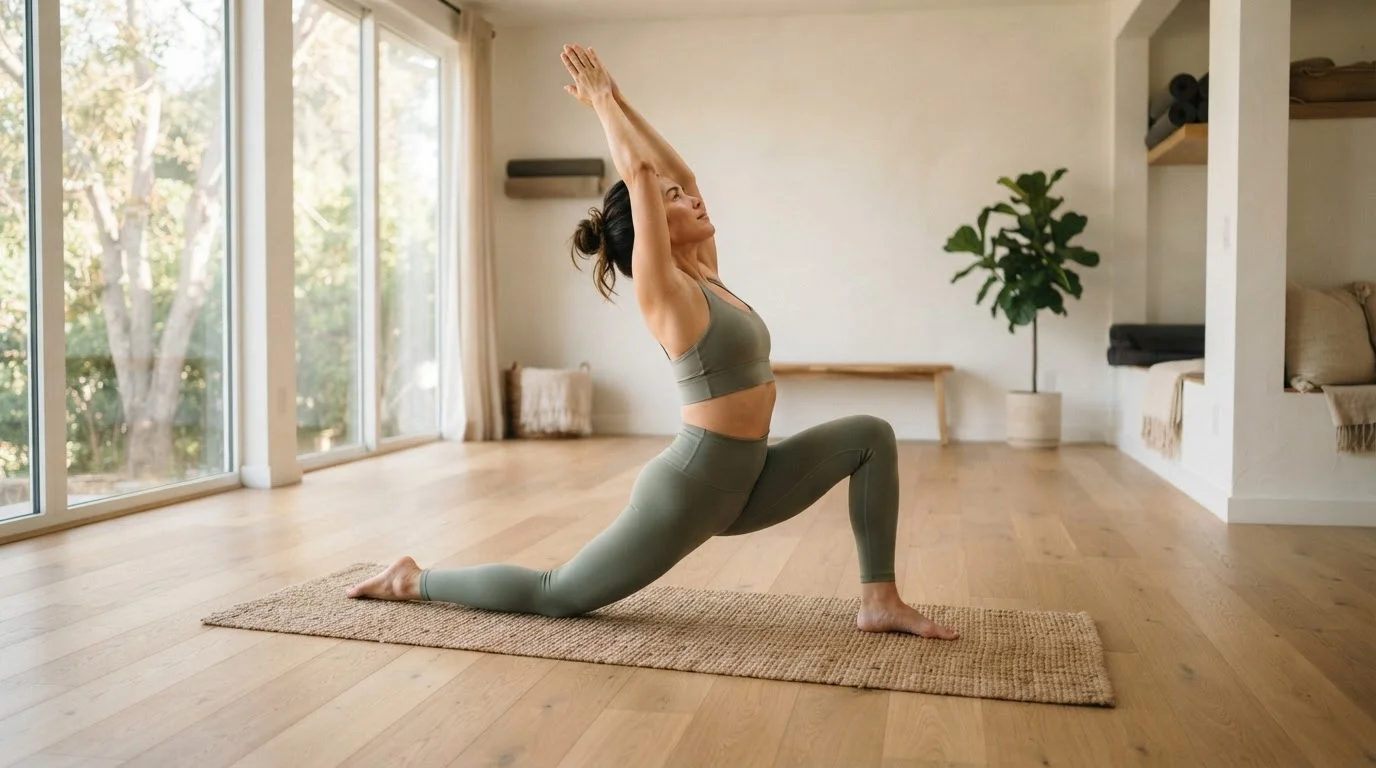
Photo: FaqExplorer.net | Informative Website editorial
Key Takeaways
- Stretching targets muscle length; mobility work develops active control through a full range of motion.
- Flexibility gained through stretching alone doesn't guarantee the strength to use that range in movement.
- Mobility work integrates joint control, coordination, and neuromuscular awareness - not just tissue length.
- Both practices complement each other and can be included in a well-rounded movement routine.
- Neither replaces professional evaluation if you're dealing with pain, injury, or significant movement limitations.
What Each Practice Actually Means
The words mobility and flexibility get used interchangeably in gyms, wellness apps, and fitness content - but they describe meaningfully different physical qualities, and confusing them can limit your progress.
Stretching is primarily concerned with muscle length. When you hold a hamstring stretch or a calf stretch, you're working to increase the distance a muscle can elongate. This is passive - your body is relaxed, and you're relying on gravity, body weight, or a strap to deepen the position. Stretching can improve flexibility, which is the maximum range of motion a joint can achieve under external force.
Mobility work, by contrast, is about active control. It asks: can you move your joints through their available range under your own power, with stability and coordination? A person might be able to pull their leg into a deep hip stretch passively, but struggle to hold that position unassisted. That gap - between passive flexibility and active control - is exactly what mobility training targets.
Think of flexibility as raw material and mobility as the ability to use it. Common fitness myths often conflate the two, leading people to assume that stretching more will automatically improve how they move. The relationship is more nuanced than that.
How They Work Differently in the Body
Stretching primarily acts on the musculotendinous unit - the muscle tissue and the tendons connecting it to bone. Consistent stretching over time can increase the length and extensibility of these tissues. Research supports that regular static stretching (holding a position for 20-60 seconds) does improve passive range of motion, particularly when practiced consistently over weeks.
Mobility work engages a broader system. It involves the joint capsule, surrounding connective tissue, and critically, the neuromuscular system - the communication between your brain, nervous system, and muscles. Mobility drills often look like controlled, slow movements through a joint's range, sometimes under light load. The goal is to signal to the nervous system that a particular range is safe and accessible, not just structurally possible.
| Criterion | Mobility Work | Stretching |
|---|---|---|
| Primary goal | Active joint control through range | Increasing muscle length |
| Type of effort | Active, muscular engagement | Passive or relaxed |
| Systems targeted | Joints, connective tissue, neuromuscular | Muscle and tendon tissue |
| Example practice | Hip 90/90 transitions, thoracic rotations | Hamstring hold, standing quad stretch |
| Best timing | Before or during a workout warm-up | After activity or on rest days |
| Functional carryover | High - trains usable movement | Moderate - improves range potential |
This distinction matters practically. If your shoulders feel stiff overhead, stretching the lats and pecs may help with tissue length. But if you can't maintain a stable overhead position during a press, you likely need active shoulder mobility work - exercises that train the rotator cuff and scapular muscles to control that range dynamically. Yoga and Pilates both borrow elements from each approach, which is part of why they can be effective for movement health when practiced consistently.
This article provides general health and fitness education, not medical or physical therapy advice. If you're experiencing pain or significant movement restrictions, consult a qualified healthcare or movement professional.
Building a Practice That Includes Both
Most people benefit from both stretching and mobility work - they address complementary needs rather than competing ones. A practical approach might look like using dynamic mobility drills before a workout (leg swings, hip circles, thoracic rotations) to prepare joints for active movement, and incorporating static stretching afterward when muscles are warm and the goal is tissue recovery and length.
A Note on Pain During Practice
Consistency matters far more than intensity. Short, frequent sessions - even 10 minutes daily - tend to produce more durable results than occasional long sessions. The nervous system adapts gradually, and mobility improvements in particular require regular reinforcement to become lasting changes in how you move.
The right balance depends on your goals, current movement patterns, and any existing limitations. Someone preparing for a long-distance run has different needs than someone recovering from a desk-heavy workweek. If you're uncertain where to start, a physical therapist or certified movement coach can provide an individualized assessment - something general guidance can't replace.
The content on this site is provided for informational purposes only and should not be considered a substitute for professional advice. While we strive to provide accurate and up-to-date information, we make no guarantees regarding its completeness or accuracy. Always consult a qualified professional for advice specific to your circumstances before making any decisions.