
Yoga vs. Pilates: Understanding the Real Differences

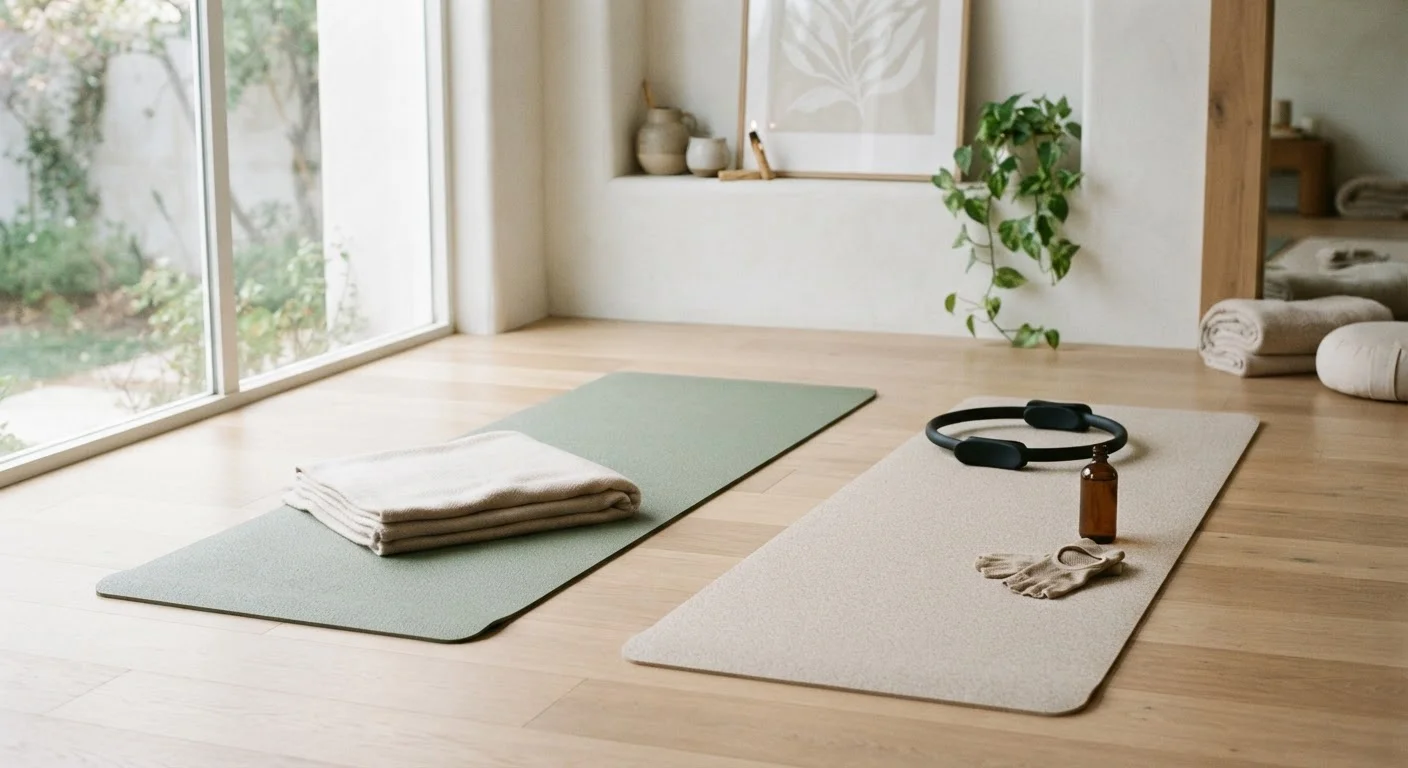
Photo: FaqExplorer.net | Informative Website editorial
Key Takeaways
- Yoga originates from ancient Indian philosophy; Pilates was developed in 20th-century Europe as a rehabilitation method.
- Yoga integrates breathwork, meditation, and spiritual philosophy alongside physical postures.
- Pilates centers on precise, controlled movements targeting core stability and postural alignment.
- Both practices can improve flexibility, body awareness, and stress management.
- Your physical goals and personal preferences should guide which practice - or combination - you choose.
Origins and Philosophy: Where Each Practice Comes From
Yoga is one of the world's oldest movement traditions, with documented roots in ancient India spanning more than 2,000 years. It evolved through multiple philosophical schools - including Hindu, Buddhist, and Jain traditions - and encompasses far more than physical postures (asanas). Classical yoga frameworks describe eight interconnected limbs, of which physical practice is just one component, alongside breathwork (pranayama), ethical principles, and meditation.
Pilates, by contrast, is a modern system developed by Joseph Pilates in the early 20th century. Originally called "Contrology," it was designed first as a rehabilitation program for injured dancers and hospital patients. The method was built around precise, controlled movements intended to strengthen the body's core, improve alignment, and support recovery. It carries no spiritual or philosophical lineage - its goals are fundamentally biomechanical.
Understanding this distinction matters: yoga asks practitioners to engage mentally and philosophically as well as physically, while Pilates focuses almost entirely on how the body moves and stabilizes itself. For more on how mindfulness intersects with structured practices, see our overview of mindfulness and meditation.
Physical Methods: How Each Practice Works in the Body
In a yoga class, sequences of postures flow together - often linked by breath - and vary widely depending on the style. Hatha yoga moves slowly through static holds. Vinyasa classes build heat through movement. Yin yoga targets connective tissue with long, passive stretches. Despite these differences, most yoga styles train flexibility, balance, and body awareness simultaneously.
Pilates sessions, whether mat-based or performed on specialized equipment like the Reformer, emphasize spinal articulation, pelvic stability, and the activation of deep core muscles. Repetitions are typically low, with significant attention paid to form over momentum. This makes Pilates particularly effective at training the kind of stabilizing muscle groups that other exercise modalities often miss.
| Criterion | Yoga | Pilates |
|---|---|---|
| Origin | Ancient India, 2,000+ years ago | Early 20th-century Europe |
| Core Philosophy | Mind, body, and spirit integration | Biomechanical control and rehabilitation |
| Primary Physical Focus | Flexibility, balance, breathwork | Core stability, postural alignment |
| Spiritual Dimension | Central to classical practice | None |
| Equipment | Mat, props (blocks, straps) | Mat or Reformer and apparatus |
| Rehabilitation Use | Sometimes used therapeutically | Developed specifically for rehab |
| Breathing Role | Meditative and movement-guiding | Functional and biomechanical |
Both practices involve a focus on breathing, but with different intentions. In yoga, breath often leads the movement and carries meditative or energetic significance. In Pilates, breath is a tool for managing intra-abdominal pressure and supporting spinal stability during exertion - a more mechanical application.
For readers curious about how these modalities relate to broader movement concepts, our article on mobility work versus stretching offers useful context on flexibility and functional movement.
Physical and Mental Benefits: What the Research Suggests
Both yoga and Pilates have accumulated a body of research supporting their benefits, though the quality and scale of studies varies. Yoga has been associated with reductions in perceived stress, improvements in flexibility, and modest benefits for conditions like lower back pain and anxiety, according to research published in peer-reviewed journals. Many of these effects are thought to stem from the combined influence of movement, regulated breathing, and focused attention.
Pilates research shows consistent benefits for core strength, postural alignment, and low back pain management. Several studies have examined its use in clinical rehabilitation settings, and it is incorporated into physical therapy protocols in many healthcare contexts. However, research also notes that Pilates may produce less cardiovascular benefit on its own compared to aerobic exercise forms.
~36M
Americans who practice yoga
A Yoga Alliance and Yoga Journal survey estimated approximately 36 million yoga practitioners in the United States.
12M+
Americans who practice Pilates
The Sports & Fitness Industry Association has estimated over 12 million Pilates participants annually in the U.S.
Neither practice replaces a complete fitness program on its own. If cardiovascular conditioning is a priority, it is worth understanding how these practices fit into a broader routine - our comparison of cardio versus strength training can help frame that picture.
This article is for general informational purposes only and does not constitute medical or fitness advice. Consult a qualified healthcare or fitness professional before beginning any new exercise program, particularly if you have an existing health condition or injury.
The content on this site is provided for informational purposes only and should not be considered a substitute for professional advice. While we strive to provide accurate and up-to-date information, we make no guarantees regarding its completeness or accuracy. Always consult a qualified professional for advice specific to your circumstances before making any decisions.