
Mental Wellness Across the Lifespan: How Needs Shift from Young Adulthood to Later Life

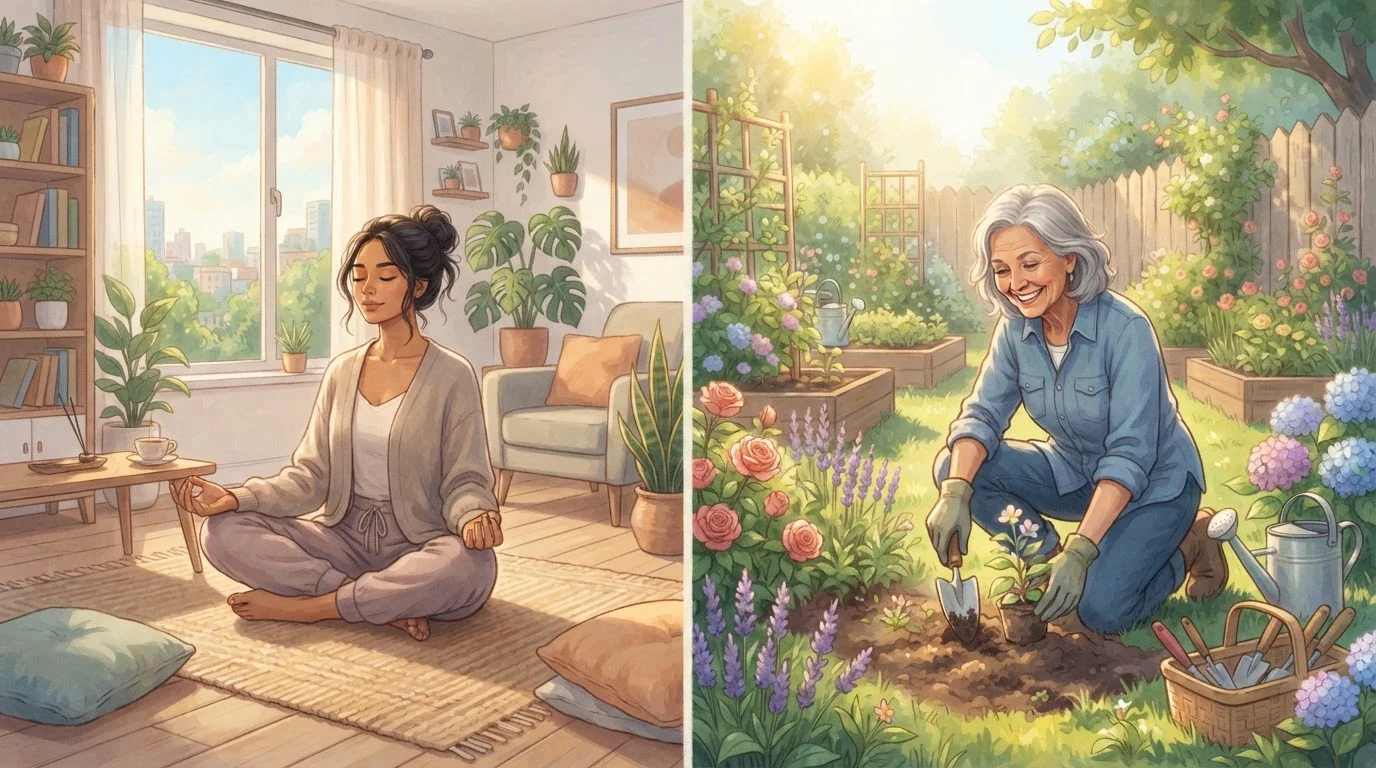
Photo: FaqExplorer.net | Informative Website editorial
Key Takeaways
- Stressors and emotional needs change meaningfully between young adulthood, midlife, and later life.
- Each life stage brings distinct psychological challenges that call for stage-appropriate coping strategies.
- Core wellness habits - sleep, movement, connection - remain foundational at every age.
- Social support needs evolve; proactively maintaining relationships becomes more critical with age.
- Mental wellness difficulties at any life stage are common and often respond well to professional support.
- This article provides general educational information, not personal medical or psychological advice.
Why Mental Wellness Shifts With Age
Mental wellness isn't a fixed state - it's a dynamic relationship between who we are, what we're facing, and the resources we have available. To understand what it actually means, see our overview of what mental wellness really covers.
As we move through adulthood, the stressors we encounter, the relationships we rely on, and our sense of purpose all shift considerably. Research in developmental psychology consistently shows that emotional well-being isn't simply a matter of aging gracefully or poorly - it's shaped by the specific demands and resources associated with each life stage. Understanding those patterns can help people recognize what's typical, anticipate challenges, and seek appropriate support when it's needed.
~1 in 5
U.S. adults experience mental illness annually
According to the National Institute of Mental Health, approximately 22.8% of U.S. adults - roughly 1 in 5 - lived with a mental illness in 2021.
27%
Adults 18-25 reporting serious mental distress
SAMHSA's National Survey on Drug Use and Health has consistently found young adults aged 18-25 report the highest rates of serious mental illness among all adult age groups.
Paradox of Aging
Older adults often report higher emotional well-being
Studies in developmental psychology, including work by Laura Carstensen at Stanford, suggest emotional regulation and life satisfaction often improve in later adulthood despite increasing physical challenges.
Young Adulthood (20s-30s): Identity, Pressure, and Transition
Young adulthood is often romanticized as a peak of freedom and vitality, but it's also one of the most psychologically demanding periods of life. People in their 20s and 30s typically navigate a dense cluster of high-stakes transitions: establishing careers, forming or ending significant relationships, managing finances independently for the first time, and constructing a durable sense of identity.
The American Psychological Association has consistently found that adults under 35 report some of the highest average stress levels of any age group. Financial pressure is a major driver - and it intersects with mental wellness in meaningful ways. The financial decisions of your 20s and 30s can compound or reduce stress depending on how well-supported you feel navigating them.
Loneliness is also an underappreciated challenge in this decade. Despite high social connectivity, many young adults report difficulty maintaining deep friendships as social networks fragment after school. Building intentional social rhythms - not just reactive socializing - tends to be protective.
In your 20s and 30s, treat social connection as a scheduled commitment rather than something that happens organically - life's increasing complexity tends to crowd it out otherwise.
During midlife, periodically auditing your commitments - and actively dropping obligations that no longer align with your values - can be as protective as adding wellness practices.
Midlife (40s-50s): Competing Demands and Reassessment
Midlife brings a different kind of pressure. Many adults in their 40s and 50s find themselves simultaneously managing career demands, raising children or supporting adult children, and beginning to care for aging parents. This "sandwich generation" dynamic is a well-documented source of chronic stress and emotional depletion.
This period also commonly involves a psychological process of reassessment - sometimes called a midlife review - in which people evaluate whether their current path aligns with their values and goals. This isn't inevitably a crisis; for many, it's a productive inflection point. However, when the gap between expectation and reality feels large, it can contribute to persistent low mood, anxiety, or a sense of stagnation.
Hormonal changes in midlife - for both women navigating perimenopause and men experiencing gradual testosterone shifts - can influence mood and energy. These are legitimate biological factors, not personal failings, and are worth discussing with a healthcare provider rather than attributing entirely to psychological causes.
Later Life (60s and Beyond): Loss, Purpose, and Resilience
Research on emotional well-being across the lifespan reveals a somewhat counterintuitive finding: many older adults report greater emotional stability and life satisfaction than younger cohorts, despite facing objectively significant losses. This pattern - sometimes called the "paradox of aging" - is thought to reflect a shift in priorities toward what is most meaningful, as well as decades of accumulated coping experience.
That said, later life does bring genuine mental wellness challenges. Retirement, while welcome for many, can disrupt identity and daily structure. The loss of a partner, close friends, or physical capacity can trigger grief that's sometimes under-recognized in healthcare settings. Social isolation is a serious concern: research has linked chronic loneliness in older adults to increased risk of cognitive decline and depression.
Maintaining purposeful activity - through volunteering, creative pursuits, community involvement, or continued learning - is associated with better psychological outcomes in later life. Our broader coverage of holistic wellness habits includes practices that translate well across age groups.
Consistent Foundations Across Every Decade
Despite the differences across life stages, several evidence-informed habits support mental wellness throughout adulthood. Sleep quality, regular physical movement, and consistent social connection form the most robust foundations in the research literature. These aren't dramatic interventions - they're daily rhythms that compound over time.
The sustainable habits that support everyday emotional well-being don't need to be reinvented at each decade. What changes is how they're implemented: a 28-year-old might sustain connection through team sports; a 70-year-old might find equal benefit in a regular walking group or book club. The underlying mechanism - regular positive contact with others - is consistent.
Stress, too, is a lifelong companion that warrants ongoing attention rather than periodic crisis management. Recognizing when stress has moved from manageable to potentially harmful is a skill worth developing at any age. See our guide on signs your stress levels may deserve more attention for a useful reference.
Apply the Same Habit, Adjust the Form
When to Seek Professional Support
At any life stage, certain patterns signal that professional support may be beneficial: persistent low mood or anxiety lasting more than a few weeks, significant withdrawal from previously valued activities, changes in sleep or appetite that feel out of proportion to circumstances, or thoughts of self-harm. These experiences are common, not shameful, and they respond well to evidence-based care.
Mental health professionals - including licensed therapists, psychologists, and psychiatrists - are trained to work with the specific challenges of different life stages. A therapist experienced with young adult transitions has a different skill set from one specializing in grief and aging, and it's reasonable to seek someone whose practice aligns with your current life context.
Primary care physicians are also a useful first point of contact when emotional symptoms feel tied to physical health changes, which is especially relevant in midlife and later life.
This article is for general informational and educational purposes only and does not constitute medical or psychological advice. If you have concerns about your mental health or emotional well-being, please consult a qualified healthcare or mental health professional.
The content on this site is provided for informational purposes only and should not be considered a substitute for professional advice. While we strive to provide accurate and up-to-date information, we make no guarantees regarding its completeness or accuracy. Always consult a qualified professional for advice specific to your circumstances before making any decisions.