
The Science Behind Why Chronic Stress Wears the Body Down

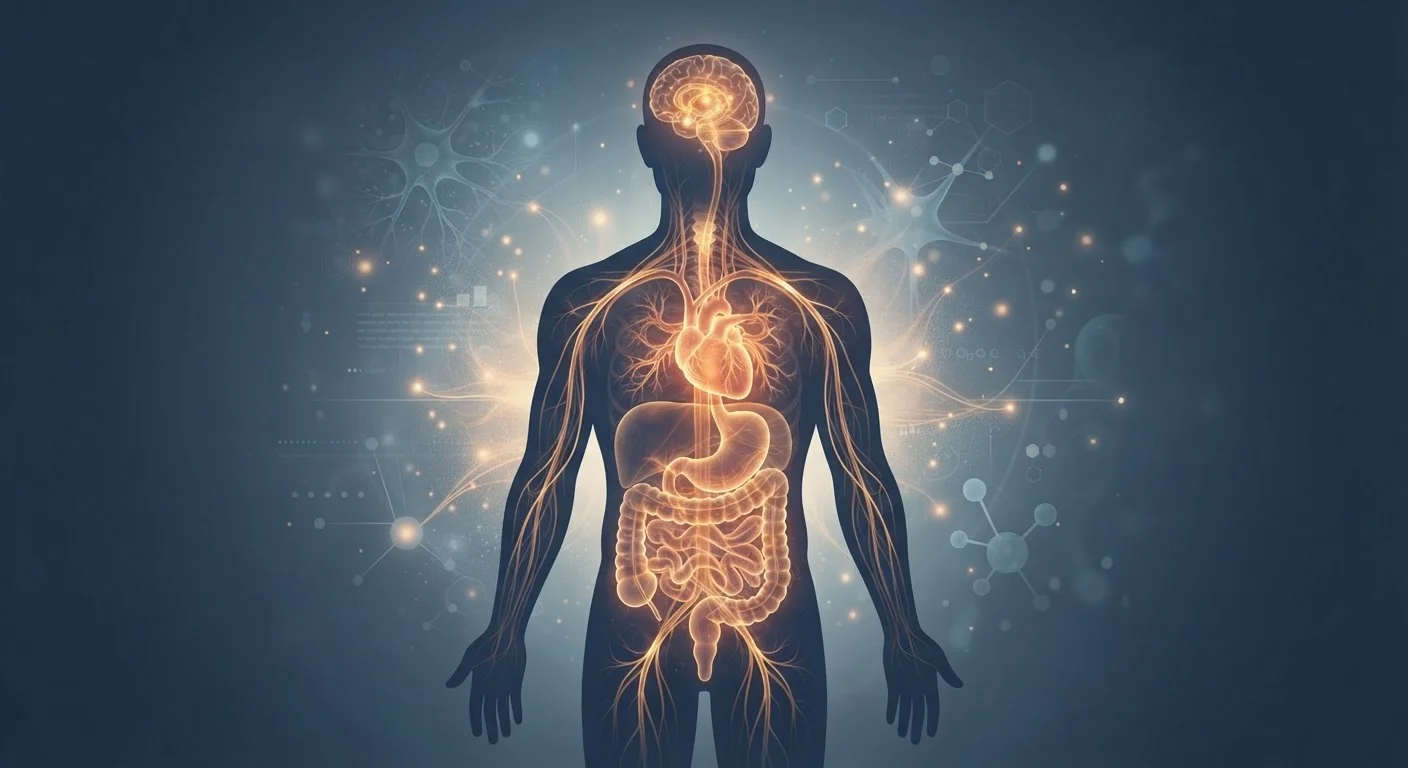
Photo: FaqExplorer.net | Informative Website editorial
Key Takeaways
- Chronic stress keeps the body in a prolonged fight-or-flight state that was designed for short-term threats.
- Cortisol, the primary stress hormone, disrupts sleep, immunity, digestion, and cardiovascular function when chronically elevated.
- The immune system is particularly sensitive to sustained stress, which can reduce the body's ability to fight infection.
- Stress and sleep share a bidirectional relationship - poor sleep worsens stress, and chronic stress disrupts sleep architecture.
- Recognizing the physical signs of chronic stress is an important first step toward addressing its root causes.
- A qualified healthcare professional should be consulted for persistent physical or mental health symptoms.
How the Stress Response Was Designed to Work
The human stress response evolved as a survival tool. When the brain perceives a threat, the hypothalamus triggers the release of adrenaline and cortisol - hormones that sharpen focus, redirect blood flow to muscles, and suppress non-essential functions like digestion and reproduction. This cascade, often called the "fight-or-flight" response, is remarkably efficient for short-duration threats.
The problem is that the system wasn't designed for modern stressors - financial pressure, relationship conflict, job insecurity - that rarely resolve quickly. When the perceived threat lingers, the stress response lingers with it. The body remains in a state of physiological readiness that was never meant to be permanent.
“Stress is not an abstraction. It has a biology, and that biology has consequences. The body keeps a kind of running tab on how often and how long it has been pushed beyond its comfortable operating range.”
— Robert Sapolsky, Neuroendocrinologist and author of 'Why Zebras Don't Get Ulcers'
What Cortisol Does Over Time
Cortisol is the body's primary long-acting stress hormone, and in the short term it serves important functions: regulating inflammation, stabilizing blood sugar, and keeping energy available. But when cortisol levels stay elevated for extended periods, those same mechanisms begin to work against the body.
Research has associated chronically high cortisol with suppressed immune function, increased abdominal fat storage, disrupted blood sugar regulation, and reduced activity in brain regions associated with memory and emotional regulation. The cardiovascular system is also affected - sustained stress contributes to elevated blood pressure and increased inflammatory markers, both of which are associated with long-term heart health risks.
77%
Adults reporting physical symptoms from stress
According to the American Psychological Association's Stress in America survey, a substantial majority of adults report experiencing physical symptoms they attribute to stress.
40%
Increased infection risk under chronic stress
Research published in health psychology literature has indicated significantly elevated susceptibility to common viral infections among individuals experiencing chronic psychological stress.
2-3×
Higher cardiovascular risk with job strain
Studies examining workplace stress have found associations between high-demand, low-control work environments and meaningfully elevated cardiovascular risk over time.
The Body Systems Most Affected
Immunity: Stress hormones suppress certain immune functions that aren't immediately needed in a threat response. Over time, this blunted immune activity leaves the body less equipped to respond to pathogens. Studies examining wound healing in chronically stressed populations consistently show slower recovery compared to low-stress controls.
Digestion: The gut-brain axis - a bidirectional communication network between the central nervous system and the gastrointestinal tract - is highly sensitive to stress. Chronic stress can slow or accelerate gut motility, alter the gut microbiome composition, and increase intestinal permeability. Many people notice these effects as persistent stomach discomfort, bloating, or changes in bowel habits.
Sleep: Cortisol follows a natural daily rhythm, peaking in the morning and declining by evening. Chronic stress can flatten or invert this rhythm, making it harder for the body to wind down at night. Poor sleep, in turn, elevates stress hormones the following day - creating a self-reinforcing cycle. For practical guidance on building a consistent evening routine, see a structured wind-down approach.
Cardiovascular function: Repeated stress-response activation keeps blood pressure elevated and promotes low-grade systemic inflammation - two factors extensively studied in relation to long-term cardiovascular health.
The Brain Under Sustained Pressure
Neuroscience research has shown that chronic stress can affect brain structure and function over time. The prefrontal cortex - responsible for decision-making, emotional regulation, and impulse control - appears particularly sensitive to prolonged stress exposure. Meanwhile, the amygdala, a region associated with threat detection and fear responses, can become more reactive.
These changes aren't permanent in most cases, but they illustrate why chronic stress often leaves people feeling more reactive, less focused, and more emotionally vulnerable. There is also a well-documented relationship between chronic stress and mood: sustained HPA axis activation overlaps significantly with the biological pathways implicated in anxiety and depression, though the relationship is complex and not purely one-directional.
Physical activity is one area where research points to meaningful biological overlap. What research suggests about exercise and mental health is worth exploring for those looking to understand how movement may interact with the stress response.
Recognizing the Signals and Moving Forward
Chronic stress rarely announces itself clearly. Instead, it tends to surface as a cluster of seemingly unrelated symptoms: frequent headaches, low energy that persists through sleep, digestive irregularity, difficulty concentrating, or heightened irritability. These physical signals reflect real physiological strain - not simply a reaction to feeling overwhelmed.
Understanding the biology behind these experiences can itself be grounding. It reframes stress as a body-level process, not a personal failing. Signs that your stress levels may deserve more attention can help readers identify when patterns warrant a closer look. And for those who've tried stress-management tools without success, why stress relief techniques often fall short offers evidence-informed perspective on what tends to get in the way.
This article is for general informational and educational purposes only and does not constitute medical advice. If you are experiencing persistent physical or mental health symptoms, please consult a qualified healthcare professional.
Frequently Asked Questions
The content on this site is provided for informational purposes only and should not be considered a substitute for professional advice. While we strive to provide accurate and up-to-date information, we make no guarantees regarding its completeness or accuracy. Always consult a qualified professional for advice specific to your circumstances before making any decisions.