
Cat Nutrition 101: What's Actually in Your Cat's Food

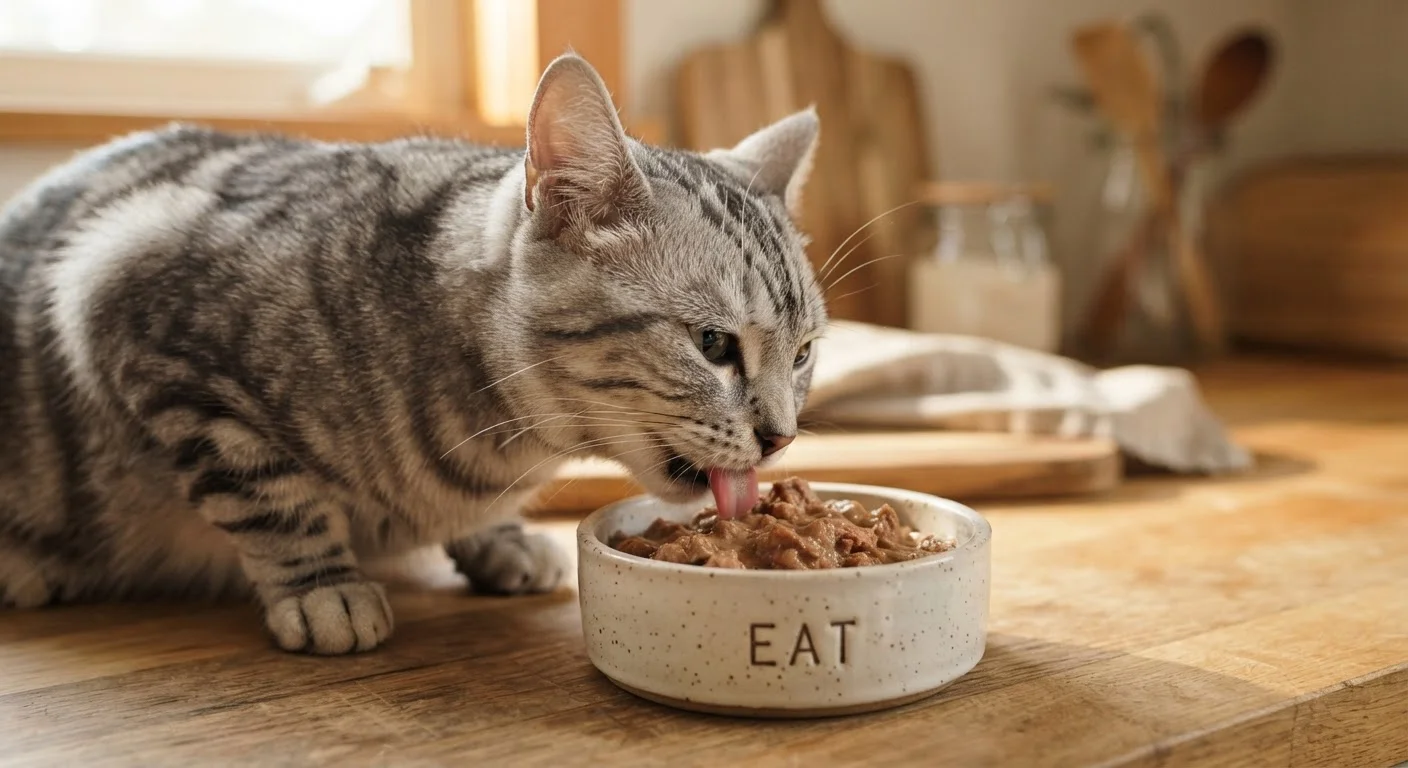
Photo: FaqExplorer.net | Informative Website editorial
Key Takeaways
- Cats require nutrients found only in animal tissue, including taurine, arachidonic acid, and preformed vitamin A.
- Taurine deficiency can lead to serious cardiac and vision problems in cats.
- Moisture content matters: cats evolved as low-thirst drinkers who obtain most hydration through food.
- Protein should come from named animal sources; ingredient order on labels reflects pre-cooking weight.
- AAFCO nutritional adequacy statements indicate whether a food meets established feline dietary standards.
- Life stage matters - kittens, adults, and seniors have meaningfully different nutritional needs.
Why Cats Are Nutritionally Unique
The phrase "obligate carnivore" is more than a label - it describes a fundamentally different metabolic blueprint. Cats have evolved without several enzyme pathways that omnivores use to convert plant compounds into usable nutrients. They cannot convert beta-carotene into vitamin A, cannot synthesize enough taurine from precursor amino acids, and their liver continuously breaks down protein regardless of dietary intake - a trait shared with few other domestic animals.
This has real consequences for how you evaluate their food. A product marketed as "natural" or "wholesome" may still fail to meet feline needs if its protein comes primarily from plant sources or if key nutrients aren't added back through supplementation. Nutritional quality for a cat is always tied to the biological availability of animal-derived ingredients, not ingredient count or label aesthetics.
For a broader look at how these needs shift throughout a cat's life, see how nutritional requirements evolve from kittenhood through senior years.
The Nutrients That Matter Most
Taurine is arguably the most critical feline-specific nutrient. It's an amino sulfonic acid found almost exclusively in animal tissue. Deficiency is directly linked to dilated cardiomyopathy (a weakening of the heart muscle) and retinal degeneration, both of which can develop silently before symptoms appear. Reputable commercial cat foods add taurine to meet established minimums, but it's worth confirming this on the label's guaranteed analysis or ingredient list.
Arachidonic acid is an omega-6 fatty acid cats cannot produce from linoleic acid the way dogs and humans can. It supports skin integrity, reproduction, and inflammatory response. Animal fats - particularly from poultry and fish - are the primary dietary source.
Preformed vitamin A (retinol) must come from animal liver or be added as a supplement; cats cannot convert plant-based beta-carotene. Arginine is another essential amino acid; even brief deficiency can cause rapid ammonia buildup in the blood.
~45%
Recommended protein on dry matter basis for adult cats
Feline nutritionists generally consider a dry matter protein level of 30-45% appropriate for adult cats, reflecting their high protein metabolism compared to omnivores.
70-80%
Moisture content in typical wet cat food
Most commercially produced wet cat foods contain between 70 and 80 percent moisture, compared to roughly 8-12 percent in dry kibble.
500 mg/kg
AAFCO minimum taurine level for dry cat food
AAFCO's Cat Food Nutrient Profiles set a minimum of 500 mg of taurine per kilogram of dry cat food (on a dry matter basis) to protect against deficiency-related cardiac and vision disorders.
Protein quantity and quality both matter. Named meat sources - chicken, salmon, turkey - signal more traceable ingredients than vague terms like "meat meal" or "animal by-products," though by-products are not inherently inferior and can include organ meats rich in micronutrients.
Reading the Label: What the Numbers Actually Tell You
The guaranteed analysis on a pet food label lists minimum crude protein, minimum crude fat, maximum crude fiber, and maximum moisture. These figures are useful but limited - they don't reveal ingredient quality or actual digestibility.
One critical caveat: comparing wet and dry foods using as-printed percentages is misleading because moisture levels differ dramatically. To make a fair comparison, convert both to a dry matter basis by dividing each nutrient percentage by the percentage of dry matter (100 minus moisture %). For example, a wet food showing 10% protein with 78% moisture has roughly 45% protein on a dry matter basis - comparable to many dry foods.
The ingredient list is ordered by pre-cooking weight. Water-heavy ingredients like whole chicken appear high on the list before cooking reduces their volume significantly. This doesn't make them inferior, but it means the first ingredient isn't always the dominant protein source post-processing.
The most reliable indicator of nutritional adequacy is the AAFCO nutritional adequacy statement. Look for wording such as "formulated to meet the nutritional levels established by AAFCO Cat Food Nutrient Profiles" or "complete and balanced as substantiated by feeding trials" for the appropriate life stage. A food labeled for "supplemental feeding only" is not suitable as a sole diet.
Look for the AAFCO Statement First
Moisture, Hydration, and the Case for Wet Food
Cats descended from desert-dwelling ancestors and have a naturally low thirst drive. In the wild, prey provides 70% or more of daily water intake. Domestic cats fed exclusively dry kibble - which contains roughly 8-12% moisture - often maintain chronic low-grade dehydration, which over time can stress the kidneys and urinary tract.
Wet food, by contrast, typically contains 70-80% moisture, more closely mimicking the water content of prey. This doesn't mean dry food is harmful - many cats do well on it when they drink adequately - but it does mean hydration strategy is part of the nutrition conversation, not separate from it.
For a more detailed breakdown of how these two formats compare across palatability, dental health, and cost, see our comparison of wet and dry cat food.
If your cat primarily eats dry food, fresh water access is non-negotiable. Many cats prefer moving water; a recirculating fountain may meaningfully increase daily intake for reluctant drinkers.
Common Misconceptions About Cat Food
Several widespread beliefs about feline nutrition don't hold up to scrutiny. The idea that cats should eat a fish-heavy diet, for example, is largely a cultural artifact. While fish is a legitimate protein source, cats in the wild rarely eat fish; excessive fish-based diets can lead to vitamin E deficiency and may contribute to thiamine destruction in some preparations.
Similarly, "grain-free" labeling has become a proxy for quality in many pet owners' minds, but grains are not inherently harmful to cats - cats simply don't require them. The question is always whether the overall nutrient profile is appropriate, not whether a single ingredient category is present or absent. For a broader look at separating feline fact from fiction, common cat health myths vets wish would go away is worth a read.
This article is for informational and educational purposes only. It is not a substitute for veterinary advice. Always consult a licensed veterinarian for guidance specific to your cat's health and dietary needs.
Frequently Asked Questions
The content on this site is provided for informational purposes only and should not be considered a substitute for professional advice. While we strive to provide accurate and up-to-date information, we make no guarantees regarding its completeness or accuracy. Always consult a qualified professional for advice specific to your circumstances before making any decisions.