
Cat Vaccines: Which Ones Are Core, Which Are Optional, and Why

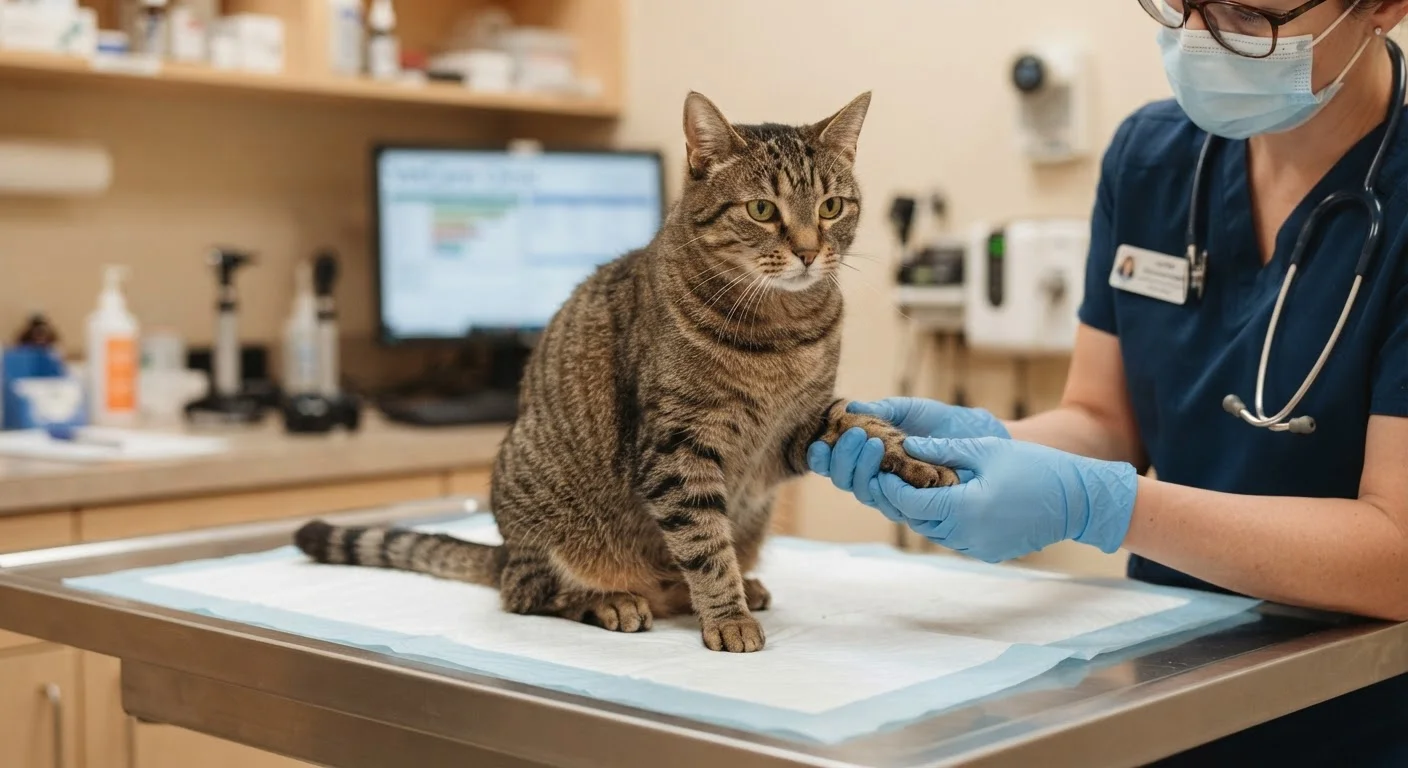
Photo: FaqExplorer.net | Informative Website editorial
Core Vaccines: What Every Cat Needs
Veterinary guidelines from organizations such as the American Association of Feline Practitioners (AAFP) classify certain vaccines as core - meaning they are recommended for virtually all cats, regardless of lifestyle, because the diseases they prevent are severe, widespread, or pose a public health risk.
| Core vaccines for all cats | FVRCP and Rabies (American Association of Feline Practitioners (AAFP) Feline Vaccination Guidelines) |
| Kitten FVRCP series start age | 6-8 weeks (AAFP Feline Vaccination Guidelines) |
| Adult FVRCP booster interval | Every 1-3 years (product-dependent) (AAFP Feline Vaccination Guidelines) |
| Rabies: legally required in most U.S. states | Yes, regardless of indoor/outdoor status (AVMA and state-level public health regulations) |
| FeLV recommended for | All kittens; adults assessed by lifestyle risk (AAFP Feline Vaccination Guidelines) |
FVRCP (Feline Viral Rhinotracheitis, Calicivirus, Panleukopenia)
This combination vaccine is the cornerstone of feline preventive care. It protects against three pathogens:
- Feline herpesvirus-1 (FHV-1) - causes upper respiratory disease and can lead to chronic eye problems.
- Feline calicivirus (FCV) - another major cause of respiratory illness and oral ulcers.
- Feline panleukopenia virus (FPV) - a highly contagious and often fatal disease, especially in kittens.
Kittens typically receive a series of FVRCP doses starting around 6-8 weeks of age, given every 3-4 weeks until 16-20 weeks. Adults then receive a booster one year later, followed by boosters every 1-3 years based on the product and individual risk.
Rabies
Rabies vaccination is required by law in most U.S. states, regardless of whether your cat lives indoors or outdoors. The virus is nearly always fatal once clinical signs appear, and it is transmissible to humans. Initial vaccination is followed by boosters at intervals defined by the licensed product - either annually or every three years. See how lifestyle choices intersect with vaccine decisions in our article on indoor vs. outdoor cat considerations.
Non-Core Vaccines: Risk-Based Recommendations
Non-core vaccines are not automatically given to every cat. Instead, your veterinarian evaluates your cat's individual risk profile - lifestyle, environment, geographic location, and health status - before recommending them. This is sometimes called a lifestyle assessment.
Core vaccine
A vaccine recommended for all cats regardless of lifestyle, because the disease it prevents is severe, widespread, or a public health hazard. FVRCP and rabies are the primary examples in cats.
Non-core vaccine
A vaccine given selectively based on a cat's individual risk factors - such as outdoor access, shelter exposure, or geographic location. FeLV is the most commonly discussed non-core vaccine.
Primary series
The initial sequence of vaccine doses given to a kitten (or a previously unvaccinated adult) to build protective immunity. Multiple doses are spaced weeks apart to achieve full effect.
Booster
A follow-up dose of a vaccine given after the primary series to maintain or renew protective immunity over time. Booster intervals vary by vaccine type and regulatory label.
Feline panleukopenia (FPV)
A highly contagious and often fatal viral disease in cats, especially dangerous in kittens. It is one of the three pathogens targeted by the FVRCP combination vaccine.
Injection-site sarcoma
A rare but serious malignant tumor that can develop at or near a vaccine injection site in cats. It is one reason veterinary guidelines emphasize only vaccinating when clinically justified.
Feline Leukemia Virus (FeLV)
FeLV is transmitted through prolonged close contact - shared food bowls, mutual grooming, or bite wounds. The AAFP recommends FeLV vaccination for all kittens, then reassessment of ongoing need as adults based on exposure risk. Cats with outdoor access or those in multi-cat households with unknown FeLV status are considered higher risk. This is one area where the indoor/outdoor distinction matters significantly - a distinction explored in depth in our indoor vs. outdoor cat article.
Feline Immunodeficiency Virus (FIV)
An FIV vaccine has been available, but its use in the U.S. has become limited - partly because vaccinated cats can test positive on standard antibody tests, complicating future health assessments. Your vet can advise whether it is appropriate given current product availability and your cat's risk factors.
Bordetella bronchiseptica and Chlamydophila felis
These respiratory pathogens are generally only a concern in cats in high-density environments such as shelters or catteries. Vaccination against them is rarely indicated for single-cat households.
How Vets Determine Your Cat's Vaccination Plan
There is no single universal vaccination schedule that fits every cat. A well-designed plan starts with a thorough conversation between owner and veterinarian - and revisiting that plan as the cat's life circumstances change.
Key factors a vet considers include:
- Age: Kittens require a primary series; senior cats may have different immune responses. Our overview of how a cat's needs change across life stages covers why age matters for every aspect of care.
- Lifestyle: Strictly indoor cats face lower exposure risks for many pathogens than cats with outdoor or multi-cat shelter exposure.
- Health status: Cats with compromised immune systems, certain chronic illnesses, or a history of vaccine reactions require individualized planning.
- Geographic risk: Some diseases are more prevalent in specific regions of the U.S.
- Previous vaccination history: Duration of immunity varies by vaccine type and individual response.
It is worth noting that over-vaccination is a recognized concern in feline medicine - particularly in relation to injection-site sarcoma, a rare but serious tumor. Veterinary guidelines have evolved toward longer intervals between boosters for core vaccines precisely to reduce unnecessary exposure. Your vet is the right person to weigh those tradeoffs for your specific cat.
This article is for general informational purposes only and is not veterinary medical advice. Always consult a licensed veterinarian for guidance tailored to your cat's individual health needs.
The content on this site is provided for informational purposes only and should not be considered a substitute for professional advice. While we strive to provide accurate and up-to-date information, we make no guarantees regarding its completeness or accuracy. Always consult a qualified professional for advice specific to your circumstances before making any decisions.