
Indoor vs. Outdoor Cats: Weighing the Tradeoffs for Your Situation

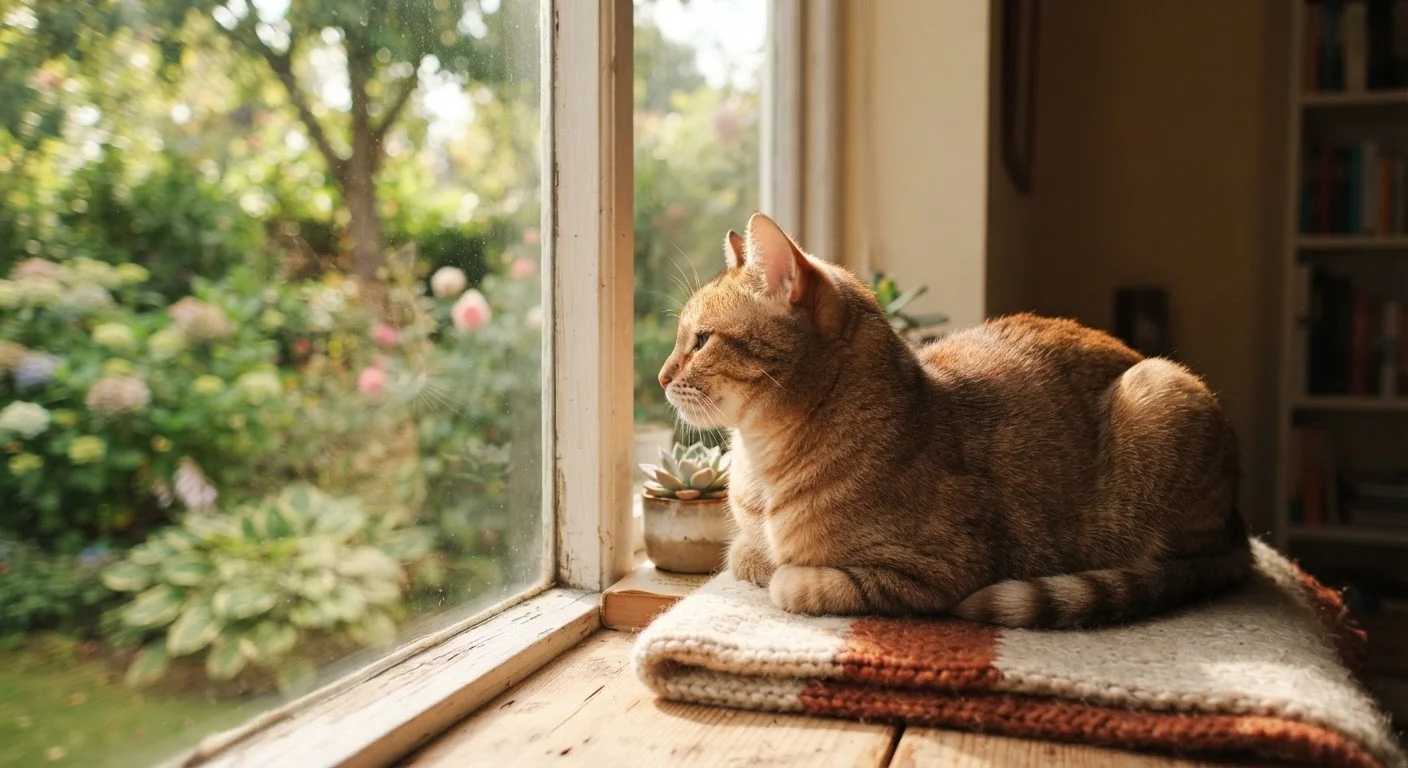
Photo: FaqExplorer.net | Informative Website editorial
Key Takeaways
- Indoor cats generally live longer on average, largely due to reduced exposure to traffic, predators, and infectious disease.
- Outdoor cats receive natural physical and mental stimulation but face real, ongoing safety risks that owners must weigh honestly.
- Enrichment quality matters enormously for indoor cats - a stimulating environment is not optional, it's a welfare need.
- Supervised outdoor access or enclosed catios can offer a meaningful middle ground for many cats and owners.
- A cat's individual temperament, health status, and local environment should all factor into this decision.
The Core Tradeoff: Safety vs. Stimulation
The indoor versus outdoor debate is, at its heart, a question of what risks you're willing to manage and what needs you're committed to meeting. Neither lifestyle is inherently right for every cat or every household - each comes with genuine advantages and real costs.
Outdoor cats engage with a constantly changing sensory environment: they hunt, climb, patrol territory, and exercise on their own terms. This natural stimulation supports physical fitness and behavioral expression. However, it also exposes cats to cars, predators, toxic plants, infectious diseases, and other cats' territorial aggression. Studies cited by veterinary organizations consistently find that outdoor and free-roaming cats have shorter average lifespans than their indoor counterparts - a gap that reflects accumulated hazard exposure, not any inherent difference in vitality.
Indoor cats are protected from most of these hazards, but that protection creates its own obligation. A cat confined to a static, under-stimulating environment is at meaningful risk of boredom-related stress, obesity, and behavioral problems. The indoor lifestyle only delivers on its promise when owners actively invest in enrichment. See our guide to mentally stimulating indoor cats for strategies that genuinely move the needle.
| Criterion | Indoor Cats | Outdoor Cats |
|---|---|---|
| Average lifespan | Generally longer | Generally shorter |
| Disease exposure risk | Lower (FeLV, FIV, parasites) | Higher without consistent prevention |
| Physical stimulation | Requires active enrichment | Self-directed and varied |
| Injury and traffic risk | Very low | Significant and ongoing |
| Obesity risk | Higher without managed feeding | Lower due to natural exercise |
| Wildlife impact | None | Can be substantial (birds, small animals) |
| Owner management burden | Enrichment and diet focus | Parasite prevention and monitoring |
Health and Longevity: What the Evidence Suggests
Veterinary and animal welfare organizations generally agree that indoor cats face lower exposure to infectious diseases - including feline leukemia virus (FeLV) and feline immunodeficiency virus (FIV), both spread through contact with infected cats - as well as parasites like fleas, ticks, and intestinal worms. Regular preventive care matters regardless of lifestyle, but the baseline exposure burden is substantially higher outdoors.
10-15 yrs
Typical indoor cat lifespan range
Veterinary sources commonly cite indoor cats living 10-15 years on average, with many reaching their late teens.
2-5 yrs
Estimated average lifespan of outdoor/feral cats
Animal welfare organizations report that unsupervised outdoor and feral cats have significantly shorter average lifespans due to accumulated hazard exposure.
~60%
U.S. pet cats kept primarily indoors
The American Pet Products Association and similar surveys suggest a majority of owned pet cats in the U.S. are kept primarily or exclusively indoors.
That said, indoor cats are not automatically healthy cats. Obesity is more prevalent in indoor cats, likely due to reduced activity and ad-libitum feeding patterns. Urinary issues, dental disease, and stress-related conditions are also documented concerns. A thoughtful feeding approach - including discussion of wet versus dry food options with your veterinarian - and regular wellness checkups are non-negotiable regardless of where your cat lives.
Outdoor cats, meanwhile, tend to maintain more natural body condition through self-directed exercise, but they carry greater parasite loads, sustain more injuries, and are more likely to contract contagious illness. Keeping vaccinations and parasite prevention current is especially critical for any cat with outdoor access.
It's also worth noting that a cat's needs evolve across its life. The considerations that apply to a young adult cat differ meaningfully from those relevant to a senior. Our overview of how cats' needs change across life stages offers useful context for thinking about this long-term.
Spaying and Neutering Affects Both Lifestyles
Finding the Middle Ground
For many cats and owners, the binary framing of indoor versus outdoor misses a practical third path: managed outdoor access. Catios - enclosed outdoor structures that allow cats to experience fresh air, sunlight, and nature sounds safely - have grown considerably in popularity and design sophistication. Leash and harness walking is another option that some cats adapt to well, particularly when introduced gradually during kittenhood or early adulthood.
These hybrid approaches can meaningfully address the enrichment gap that concerns owners of indoor cats without exposing cats to the full hazard profile of unsupervised outdoor roaming. The right fit depends on your cat's temperament, your available space, and your willingness to supervise. Enrichment indoors can also be layered effectively - our guide to feline enrichment options explores what each approach offers and which cats tend to benefit most.
Ultimately, this decision belongs to you and your veterinarian, made with clear eyes about your specific cat, your local environment, and your household circumstances. There is no universally correct answer - only better and worse-informed choices.
This article is for general informational purposes only and is not a substitute for personalized veterinary advice. Consult your veterinarian for guidance specific to your cat's health, history, and environment.
The content on this site is provided for informational purposes only and should not be considered a substitute for professional advice. While we strive to provide accurate and up-to-date information, we make no guarantees regarding its completeness or accuracy. Always consult a qualified professional for advice specific to your circumstances before making any decisions.