
Introducing a Second Cat Into a Single-Cat Household

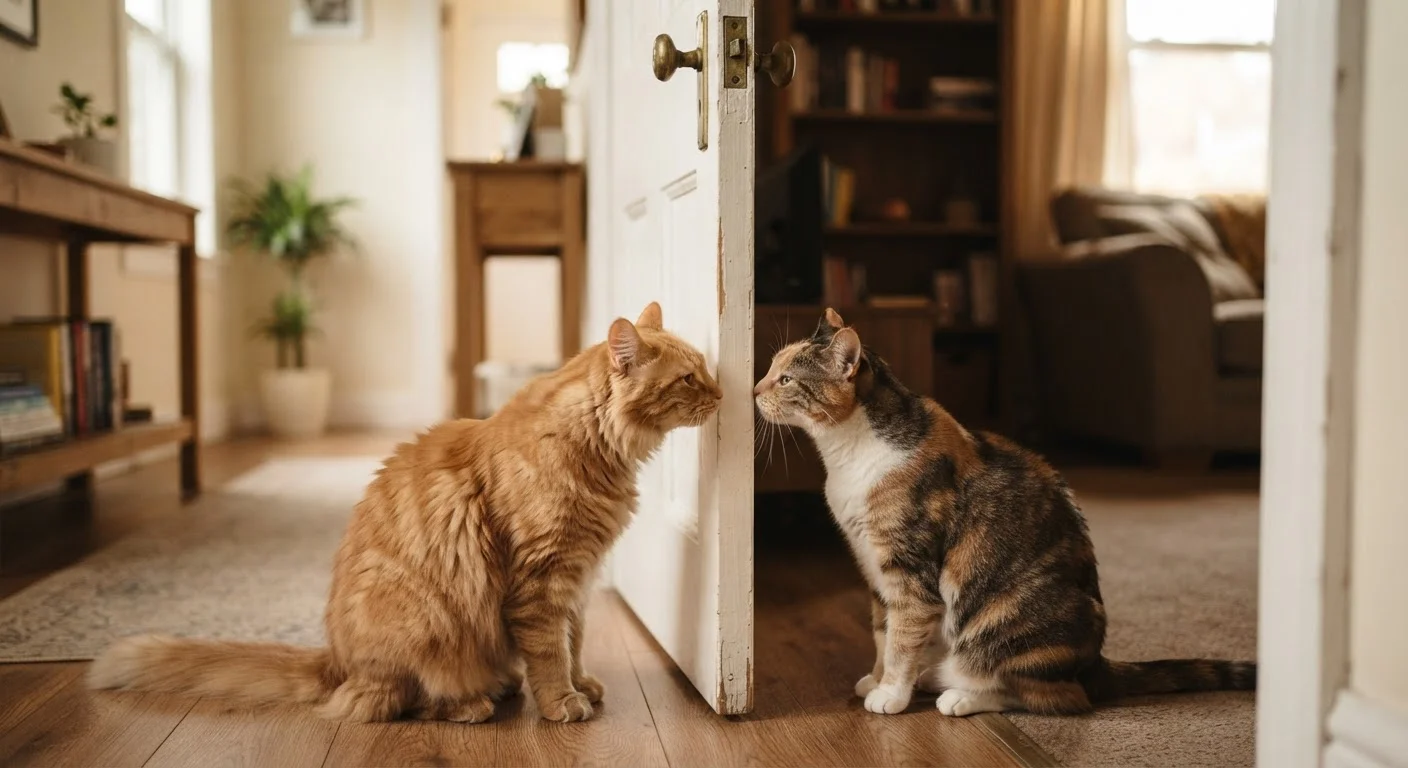
Photo: FaqExplorer.net | Informative Website editorial
Key Takeaways
- Rushing the introduction is the most common reason cat pairings fail - patience is essential.
- Scent swapping before any face-to-face contact lays critical groundwork for acceptance.
- Resident cats need guaranteed access to their own resources throughout the entire process.
- Hissing and posturing are normal early behaviors; sustained aggression is a signal to slow down.
- Most introductions take two to four weeks, though some cats need longer.
Why the Introduction Process Matters
Cats are territorial animals. Unlike dogs, who often greet newcomers with open curiosity, cats are wired to view a strange cat in their home as a direct threat to their resources and safety. A poorly managed introduction can result in prolonged conflict, chronic stress, and - in some cases - a breakdown of the household dynamic that is difficult to reverse.
The good news is that a structured, phased approach dramatically improves outcomes. By controlling each stage of exposure, you allow both cats to associate each other's presence with neutral or positive experiences, rather than alarm. This is not a shortcut process - but the time investment pays off in a calmer, more stable multi-cat home.
Consider the life stage of each cat before you begin. How a cat's needs shift across life stages can influence how quickly or slowly they adapt to a companion. Kittens tend to be more flexible, while senior or medically sensitive cats may need extra patience and closer monitoring.
What you will need
Step-by-Step: Bringing the New Cat Home
Follow these steps in order. Skipping ahead - even when both cats seem calm - risks undoing earlier progress. Trust the process.
Set Up a Dedicated Base Room
Before the new cat arrives, prepare a separate room with everything it needs: litter box, food, water, a hiding spot, and a comfortable resting area. This space will be the new cat's entire world for the first several days. Keep the door closed at all times.
Allow Decompression Time
Give the new cat at least two to three full days in the base room before initiating any scent exchange. During this period, interact with each cat separately and avoid carrying one cat's scent directly to the other. Let the new cat settle and eat consistently before moving forward.
Begin Scent Swapping
Once the new cat is eating and moving around comfortably, start exchanging scent items. Rub a soft cloth on each cat's cheeks and place it near - not directly under - the other cat's food bowl. Do this daily for several days. Swap bedding between spaces as well. Positive association with the other cat's scent is the foundation of everything that follows.
Introduce Scent Through the Door
Once both cats can eat calmly near the closed door, begin feeding them on opposite sides of it. Gradually move their bowls closer to the door over several days until they are eating directly beside it without hesitation. This is a significant milestone - do not rush past it.
Use a Visual Barrier for First Sightings
When door-feeding is consistently calm, introduce a cracked door, baby gate, or mesh screen so the cats can see each other while remaining physically separated. Keep these sessions short - five to ten minutes - and end them while both cats are still calm. Gradually increase duration over several days.
Allow Supervised Face-to-Face Time
Open the door and allow the cats to interact freely, but stay present and ready to redirect. Do not force closeness - let each cat set the pace. Short sessions of ten to fifteen minutes work better than long, uncontrolled exposure. End each session before tension builds. Gradually extend duration as both cats remain relaxed.
Establish Permanent Resource Stations
As the cats begin cohabitating, ensure resources are never shared in a way that forces competition. Follow the standard guideline: one litter box per cat, plus one extra. Feed cats in separate locations and provide multiple water sources. Vertical space - cat trees, shelves, window perches - reduces conflict by giving each cat an uncontested territory zone.
Positive Associations Are Your Best Tool
Troubleshooting Common Setbacks
Even with careful preparation, you may hit friction points. Here's how to interpret and respond to the most common ones.
- Persistent hissing or growling: Normal during early visual contact. If it continues beyond the first week of face-to-face time, extend the barrier phase and go back to scent swapping.
- One cat refusing to eat: Stress can suppress appetite. If either cat skips more than two meals, consult your veterinarian.
- Stalking or ambush behavior: This signals the pace is too fast. Separate the cats and restart from the previous phase.
- Hiding for extended periods: Some cats need more decompression time. Ensure the new cat's base room has vertical space and enrichment to reduce anxiety. See our guide to feline enrichment options for ideas.
This article is for general informational purposes and does not constitute veterinary advice. If either cat shows signs of illness, significant weight loss, or escalating aggression, consult a licensed veterinarian or a certified feline behavior consultant.
Sustained Aggression Requires Professional Help
The content on this site is provided for informational purposes only and should not be considered a substitute for professional advice. While we strive to provide accurate and up-to-date information, we make no guarantees regarding its completeness or accuracy. Always consult a qualified professional for advice specific to your circumstances before making any decisions.