
Annual Vet Visit Prep: What to Bring, Ask, and Track

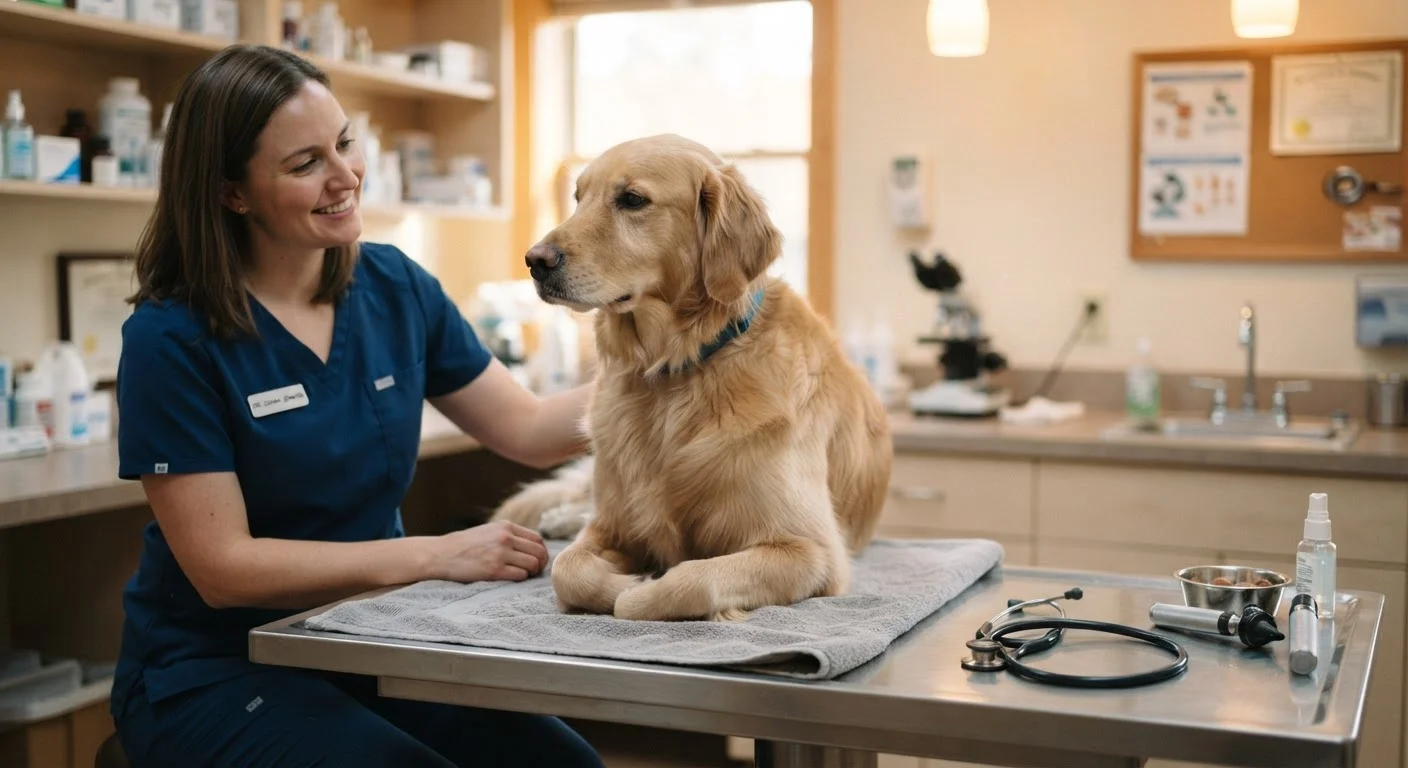
Photo: FaqExplorer.net | Informative Website editorial
Key Takeaways
- Bringing complete health records saves time and helps your vet spot trends across years.
- A written list of observations and questions ensures nothing important gets overlooked during the appointment.
- Tracking behavioral and physical changes between visits gives your vet critical context that an exam alone cannot reveal.
- Annual wellness exams are the right time to review vaccines, parasite prevention, and nutrition with your vet.
- Stool samples and a current medication list are easy to forget but genuinely useful to bring.
Why Preparation Makes Annual Exams More Valuable
A yearly wellness exam is one of the highest-value things you can do for your dog's long-term health - but only if you arrive ready to make the most of it. Most appointments run 20 to 30 minutes. Without preparation, that time can pass in a blur of logistics, leaving your real concerns unaddressed.
Your veterinarian relies heavily on information you provide. The physical exam reveals a great deal, but behavioral shifts, appetite changes, or intermittent limping often only come to light when an owner mentions them. Vets are trained to ask, but they can only follow up on what they know to look for.
This checklist is designed to help you walk in organized, walk out informed, and leave nothing important on the table. Use it starting a few days before the appointment so you're not scrambling the morning of.
Dog health journal or notebook
Track observations, symptom dates, behavioral changes, and questions throughout the year so nothing is forgotten at the exam.
Stool sample container
Collect a fresh fecal sample for parasite screening - ask your clinic for a labeled container at the previous visit or use a clean sealable bag.
Printed medication list
A written summary of all current drugs, supplements, and preventives is faster and more reliable than trying to recall names verbally.
Smartphone or small notepad
Use during the appointment to jot down the vet's findings, recommendations, and any follow-up instructions.
High-value treats
Help anxious or excitable dogs associate the clinic with positive experiences and stay calm during the exam.
What to Bring to the Appointment
Gathering the right materials before you leave home is straightforward, but easy to forget under a busy schedule. Start here.
Records and Documents
Physical Samples
Health Observations to Report
Logistics and Comfort
Questions and Follow-Up Planning
Don't Wait Until the Morning Of
If your dog is currently on any prescription medications or supplements, bring the original containers or a written list with exact names, dosages, and frequencies. This is particularly important if your dog has been seen at an emergency clinic or specialist between annual visits - those records may not yet be in your primary vet's file.
For dogs on flea, tick, or heartworm preventives, note the specific product and when the last dose was given. Your vet will use this to assess coverage gaps and discuss any needed adjustments. Our reference on canine parasite prevention covers the full landscape of what these products protect against.
Questions Worth Writing Down Before You Go
It's common to think of the most important question on the drive home. Prevent that by drafting your questions at least the night before. Good starting categories include:
- Vaccines: Which ones are due or overdue? Which are optional based on your dog's lifestyle and exposure risk? Our article on dog vaccine schedules can help you understand what to expect before the conversation.
- Nutrition: Is your dog's current food appropriate for their age, weight, and health status? If you've been reading labels and want a professional perspective, that's a discussion worth having. See also our guide on reading dog food labels to come prepared.
- Weight and body condition: Has your dog gained or lost weight since last year? Ask your vet to show you how to assess body condition score at home between visits.
- Behavior: Any changes in energy, sleep, reactivity, anxiety, or interaction with people and other animals.
- Dental health: Ask about the state of your dog's teeth and whether a professional cleaning is warranted.
- Grooming-related concerns: Skin conditions, ear odor, or coat changes often surface during grooming. Our grooming basics guide can help you identify what's worth flagging.
This Article Is General Information, Not Medical Advice
The content on this site is provided for informational purposes only and should not be considered a substitute for professional advice. While we strive to provide accurate and up-to-date information, we make no guarantees regarding its completeness or accuracy. Always consult a qualified professional for advice specific to your circumstances before making any decisions.