
Grooming Basics Every Dog Owner Should Know-Regardless of Breed

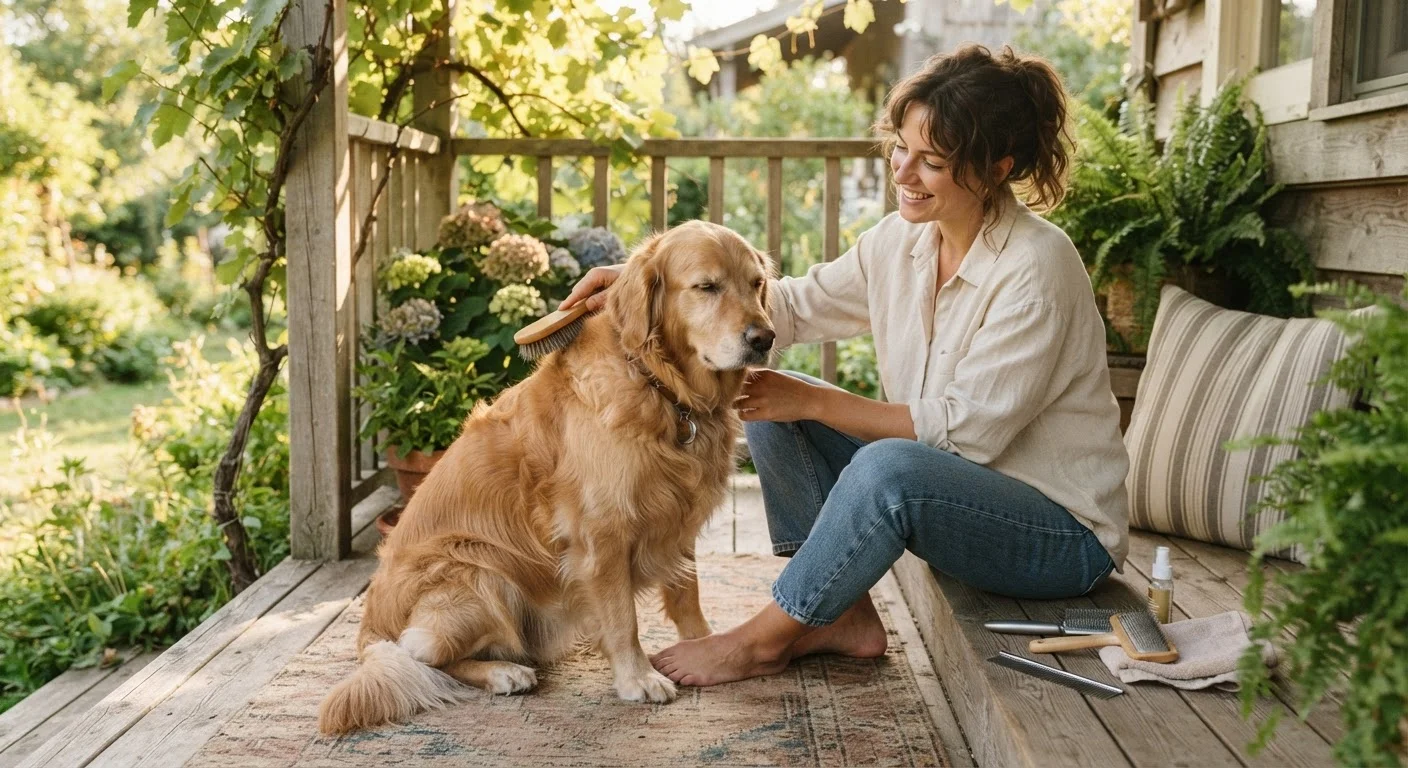
Photo: FaqExplorer.net | Informative Website editorial
Key Takeaways
- Regular grooming does more than maintain appearance - it helps catch skin, ear, and nail problems early.
- Grooming frequency varies by coat type, but every dog needs nail trims, ear checks, and occasional baths.
- Most dogs benefit from being introduced to grooming tools gradually and positively from a young age.
- Knowing when to handle grooming at home versus visiting a professional protects your dog's comfort and safety.
- Persistent odor, discharge, or skin changes during grooming are signals to consult your veterinarian.
Why Grooming Is a Health Practice, Not Just Aesthetics
Many dog owners think of grooming as cosmetic upkeep - a bath before a family visit, a trim when the fur looks shaggy. In practice, a consistent grooming routine functions more like a regular health check. Running a brush through your dog's coat, cleaning their ears, or trimming their nails gives you a hands-on opportunity to spot lumps, skin irritation, parasites, or abnormal discharge before they escalate into something more serious.
Veterinarians often note that owners who groom regularly tend to bring in concerns earlier, when they're easier and less costly to address. That early-detection benefit applies across all breeds and sizes. If you're building out a broader wellness routine, consider how grooming dovetails with your dog's annual vet visit preparation - observations made at home during grooming are exactly the kind of detail worth sharing with your veterinarian.
The Four Core Grooming Tasks - and What Each Accomplishes
Coat brushing removes loose fur, distributes skin oils, and prevents matting. Dogs with double coats or longer fur generally need brushing several times per week, while short-coated breeds can get by with once weekly or less. Matting is more than cosmetic: severe mats pull at the skin, trap moisture, and can harbor bacteria or parasites. Start brushing from the skin outward in the direction of hair growth, and work through one section at a time rather than dragging a brush across the surface.
Bathing cleans the coat and skin without stripping natural oils when done at the right frequency. Most dogs do well with a bath every four to six weeks, though this varies by activity level, coat type, and any underlying skin conditions. Always use a shampoo formulated for dogs - human products have a different pH and can disrupt the skin barrier. If your dog has recurring skin issues, your vet is the right resource for guidance before you settle on any product. For more on what scratching and skin changes can signal, see our article on why your dog is scratching.
Nail trimming is one of the most avoided grooming tasks, but it's essential. Overgrown nails alter how a dog distributes weight across its paws, which over time can affect joint alignment and gait - particularly in older dogs. Most dogs need nails trimmed every three to four weeks. The goal is to stay clear of the quick (the blood vessel running through the nail), which is more visible in light-colored nails than dark ones. Trimming small amounts frequently is safer than infrequent large cuts.
Ear cleaning helps prevent buildup of wax and debris, which in some dogs - especially those with floppy ears or heavy ear hair - creates conditions where yeast or bacterial infections can develop. Healthy ears should look clean and pale pink inside, with no strong odor or dark discharge. Use a veterinarian-recommended ear cleaning solution and a cotton ball; never insert anything deep into the ear canal. Dogs with chronic ear problems should be evaluated by a vet rather than managed solely at home.
Brush your dog's coat on a consistent schedule matched to their coat type.
Trim nails every three to four weeks rather than waiting until they're visibly long.
Check and clean ears during each grooming session, not only when odor appears.
Introduce grooming tools and handling gradually and positively, especially with puppies.
Use grooming sessions as structured skin-and-coat health checks.
Adapting Your Routine as Your Dog Ages
Grooming needs shift over a dog's lifetime. Puppies benefit from early, positive introductions to handling - paws touched, ears examined, teeth brushed - so that grooming doesn't become a source of anxiety later. Keep early sessions short and reward-focused.
Senior dogs may develop thinner or drier skin, joint stiffness that makes certain positions uncomfortable, and nails that grow differently as activity levels change. Adjusting your grooming approach - using gentler pressure, shorter sessions, or different positioning - becomes part of overall senior care. Our guide on senior dog care after age seven covers how care routines across the board should evolve as dogs get older.
When to See a Professional Groomer - and When to Call Your Vet
Professional groomers are skilled at managing coat types that require clipping, hand-stripping, or dematting beyond what most owners can safely do at home. Breeds like Poodles, Schnauzers, Shih Tzus, and many terriers have coat requirements that benefit from professional handling every six to eight weeks. Even if you handle most grooming yourself, a professional can reach areas that are difficult to manage at home and spot changes in skin or coat condition.
There's an important distinction, however, between a grooming concern and a medical one. Persistent ear odor or discharge, hair loss in patches, skin that is red, flaky, or thickened, and nails that bleed or grow abnormally curved all warrant a vet visit rather than a grooming appointment. Grooming is maintenance; treatment is medicine. If you notice something during a grooming session that doesn't look right, document it and bring it up at your next vet visit - or sooner if it seems acute.
This article is for general informational purposes only and is not a substitute for professional veterinary advice. Always consult a licensed veterinarian for concerns about your dog's health, skin, or physical condition.
The content on this site is provided for informational purposes only and should not be considered a substitute for professional advice. While we strive to provide accurate and up-to-date information, we make no guarantees regarding its completeness or accuracy. Always consult a qualified professional for advice specific to your circumstances before making any decisions.