
Why Guinea Pigs Need Vitamin C - and What Happens When They Don't Get It

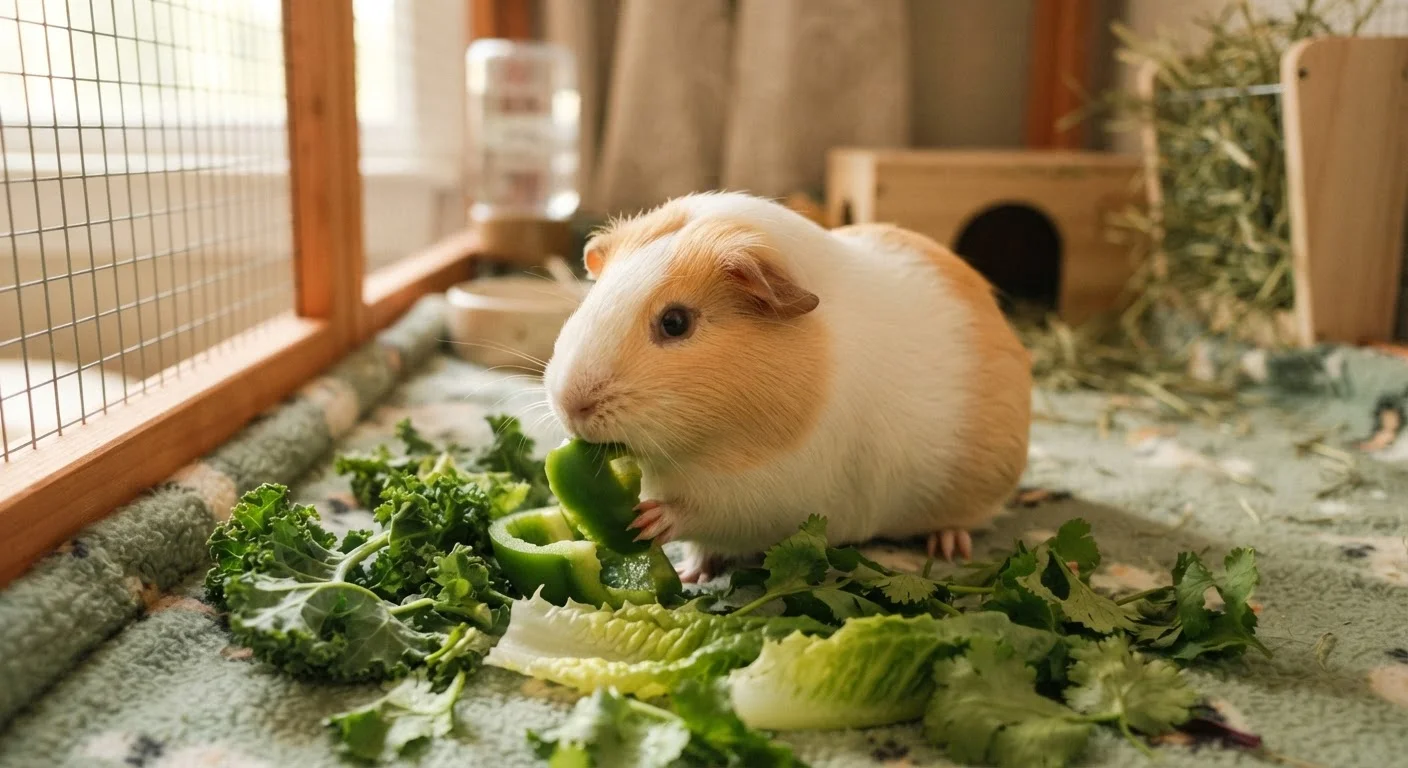
Photo: FaqExplorer.net | Informative Website editorial
Key Takeaways
- Guinea pigs cannot make their own vitamin C and must get it from food daily.
- Deficiency causes scurvy, which leads to joint pain, rough coat, weight loss, and eventually death.
- Fresh vegetables - especially bell peppers and leafy greens - are the most reliable dietary source.
- Plain timothy hay pellets fortified with vitamin C lose potency quickly once the bag is opened.
- Water-added vitamin C supplements degrade rapidly and are generally considered unreliable.
- Symptoms of deficiency can appear within weeks of inadequate intake; early veterinary attention matters.
Why Guinea Pigs Are Uniquely Vulnerable
Most mammals produce vitamin C in their liver using a four-step enzymatic process. Guinea pigs - along with humans, other primates, and a handful of other species - cannot complete this process. A genetic mutation has rendered the final enzyme in the chain, L-gulonolactone oxidase, nonfunctional. The result is total dependence on dietary intake.
This isn't a quirk that can be managed occasionally - it's a daily biological requirement. Unlike fat-soluble vitamins, which the body can store, vitamin C is water-soluble and excreted continuously. A guinea pig that misses adequate intake for a week isn't building up a deficit slowly; it's already spending down a very limited reserve.
For owners researching whether a guinea pig is the right fit, understanding this care commitment is important. If you're still weighing options, this comparison of guinea pigs and rabbits as pets outlines how their needs differ in practical terms.
Vitamin C Is Not the Only Nutrient That Matters
What Vitamin C Deficiency Actually Looks Like
Scurvy in guinea pigs follows a recognizable progression, though early signs are subtle enough to miss without close daily observation. Vitamin C is critical to collagen synthesis - the protein framework that holds connective tissue together - so deficiency affects the entire body structurally.
Early signs often include a rough or unkempt coat, reduced appetite, and a reluctance to move. Guinea pigs are prey animals and instinctively mask illness, so behavioral withdrawal can be easy to dismiss as personality.
As deficiency progresses, joint swelling and pain become apparent - animals may cry out when handled or move with obvious stiffness. Gums may appear swollen, red, or bleed easily. Weight loss accelerates. Internal bleeding can occur in advanced cases.
Without intervention, scurvy is fatal. Because symptoms can appear within two to four weeks of inadequate intake, the margin for error is narrow. Any guinea pig showing these signs warrants prompt veterinary evaluation - do not attempt to self-diagnose or self-treat.
2-4 weeks
Time for scurvy symptoms to appear
Veterinary sources generally indicate clinical signs of vitamin C deficiency can emerge within two to four weeks of consistently inadequate dietary intake in guinea pigs.
10-30 mg
Daily vitamin C requirement per guinea pig
Most small animal veterinary references cite a daily requirement in this range, with higher needs during illness, stress, or pregnancy - consult a vet for individual guidance.
Rapid
Rate of vitamin C degradation in water
Ascorbic acid in water is unstable and can lose significant potency within hours of exposure to light and air, making water-based supplementation unreliable.
Meeting the Daily Requirement Through Diet
Fresh vegetables are the foundation of reliable vitamin C intake. Bell peppers - particularly red and green varieties - are exceptionally rich in ascorbic acid and are generally very well-accepted by guinea pigs. A modest daily portion provides a meaningful contribution toward the requirement. Leafy greens such as romaine lettuce, parsley, and cilantro also contribute, though concentrations vary.
Pellets fortified with vitamin C appear on many labels, but ascorbic acid is chemically unstable. It degrades with exposure to heat, light, and air - meaning a bag of pellets sitting open for several weeks may deliver far less vitamin C than the label promises. Pellets remain a useful part of the diet but should not be the primary or sole vitamin C strategy.
Water-drop supplements are widely sold but present a similar stability problem: vitamin C in water degrades within hours. Veterinary guidance generally favors fresh food over liquid supplements for day-to-day management.
Make Bell Pepper a Daily Staple
Working With Your Veterinarian
If you're unsure whether your guinea pig is getting enough vitamin C - or if you've noticed any of the warning signs described above - a veterinarian with small mammal experience is the right first call. They can assess body condition, review the animal's diet, and recommend supplementation approaches if fresh food alone is insufficient due to illness, pregnancy, or individual factors.
Vitamin C needs can increase during illness, stress, or reproductive phases. This is general information only and not a substitute for individualized veterinary guidance. Guinea pig care decisions, including supplementation, should always be made in consultation with a qualified professional who knows your animal.
Regular wellness visits - even for animals that appear healthy - give veterinarians the opportunity to catch subtle signs of deficiency before they escalate. Prevention is far simpler than treating established scurvy.
This article is for general informational and educational purposes only and does not constitute veterinary medical advice. Always consult a licensed veterinarian for guidance specific to your pet's health and care needs.
Frequently Asked Questions
The content on this site is provided for informational purposes only and should not be considered a substitute for professional advice. While we strive to provide accurate and up-to-date information, we make no guarantees regarding its completeness or accuracy. Always consult a qualified professional for advice specific to your circumstances before making any decisions.