
New Construction vs. Existing Homes: What Buyers Should Weigh

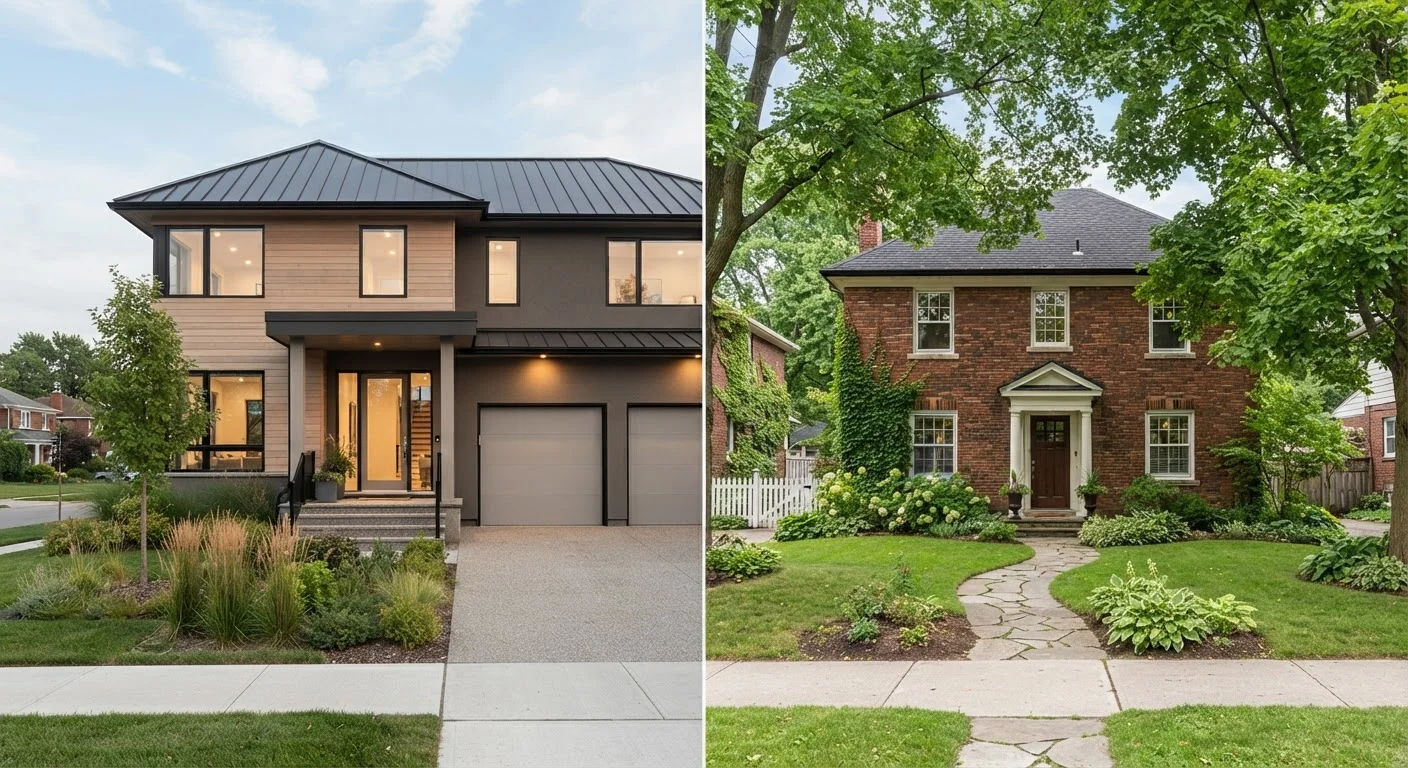
Photo: FaqExplorer.net | Informative Website editorial
Key Takeaways
- New construction typically offers modern systems and warranties but comes at a premium price.
- Existing homes are often more affordable and located in established neighborhoods with mature infrastructure.
- New builds can face construction delays and limited room for price negotiation.
- Resale homes may carry hidden maintenance costs that require careful inspection to uncover.
- Your timeline, budget, and lifestyle priorities should drive this decision more than general trends.
Builder warranties cover major systems and structure
Most builders offer tiered warranties covering workmanship, mechanical systems, and structural components - providing financial protection that resale homes cannot offer.
Modern energy efficiency lowers long-term utility costs
Homes built to current energy codes typically feature better insulation, windows, and HVAC systems, reducing monthly utility expenses compared to older housing stock.
No deferred maintenance or hidden repair history
A newly built home starts with all systems in working order, eliminating the risk of inheriting aging roofs, outdated wiring, or corroding plumbing from previous owners.
Customization options during the build process
Many builders allow buyers to select finishes, floor plans, and upgrades during construction - offering a degree of personalization not possible with a move-in-ready resale property.
Higher purchase price than comparable resale homes
New construction typically commands a price premium in most markets, and builders have less incentive to negotiate on base price than an individual seller might.
Construction delays can disrupt move-in plans
Supply chain issues, permitting delays, and weather can push completion dates back months, creating complications for rate locks and interim housing arrangements.
Developing neighborhoods lack established amenities
Newly built communities may have sparse tree cover, incomplete sidewalks, and limited nearby retail or transit options until the surrounding area matures.
Resale homes in the same area may offer better locations
New developments are often built on more affordable, outlying land - meaning buyers may trade walkability or school-district quality for the benefit of a newer home.
Understanding the Core Difference
When weighing new construction against existing homes, buyers are essentially choosing between two distinct ownership experiences - not just two property types. A newly built home means no prior occupants, builder warranties, and contemporary design standards. A resale home means character, established surroundings, and a negotiable seller on the other side of the table.
The financial and practical trade-offs run deeper than sticker price. Construction timelines, neighborhood maturity, energy costs, and inspection risk all factor into the full picture. Before diving into pros and cons, it helps to anchor the decision to your specific situation: How soon do you need to move? How much renovation risk can you absorb? Does an existing school district or commute corridor matter more than a brand-new kitchen?
For context on how this kind of new-versus-used analysis plays out in another major purchase, see the trade-offs between buying new and used cars - the financial logic shares some meaningful parallels.
Financing Differences Worth Knowing
Advantages and Disadvantages of New Construction
New builds attract buyers with the promise of a clean slate: no deferred maintenance, no mystery repairs lurking behind walls, and systems - HVAC, electrical, plumbing - built to current code. Builder warranties (typically one year on workmanship, two years on mechanical systems, and ten years on structural elements under common industry standards) provide a layer of financial protection that resale homes cannot match.
Energy efficiency is another genuine advantage. Homes built to modern insulation and window standards typically carry lower utility costs than older stock, and buyers increasingly value that in long-term ownership math.
The downsides are equally real. New construction typically carries a price premium over comparable resale homes in the same market. Buyers in planned developments often have limited room to negotiate on base price, though builders may offer concessions on upgrades or closing costs. Construction delays are common and can disrupt financing rate locks and rental arrangements. And newly developed areas may lack the mature trees, sidewalks, and nearby amenities that established neighborhoods offer.
Builder warranties cover major systems and structure
Most builders offer tiered warranties covering workmanship, mechanical systems, and structural components - providing financial protection that resale homes cannot offer.
Modern energy efficiency lowers long-term utility costs
Homes built to current energy codes typically feature better insulation, windows, and HVAC systems, reducing monthly utility expenses compared to older housing stock.
No deferred maintenance or hidden repair history
A newly built home starts with all systems in working order, eliminating the risk of inheriting aging roofs, outdated wiring, or corroding plumbing from previous owners.
Customization options during the build process
Many builders allow buyers to select finishes, floor plans, and upgrades during construction - offering a degree of personalization not possible with a move-in-ready resale property.
Higher purchase price than comparable resale homes
New construction typically commands a price premium in most markets, and builders have less incentive to negotiate on base price than an individual seller might.
Construction delays can disrupt move-in plans
Supply chain issues, permitting delays, and weather can push completion dates back months, creating complications for rate locks and interim housing arrangements.
Developing neighborhoods lack established amenities
Newly built communities may have sparse tree cover, incomplete sidewalks, and limited nearby retail or transit options until the surrounding area matures.
Resale homes in the same area may offer better locations
New developments are often built on more affordable, outlying land - meaning buyers may trade walkability or school-district quality for the benefit of a newer home.
What Existing Homes Offer - and Where They Fall Short
Resale homes dominate the housing inventory in most U.S. markets, giving buyers more choice in terms of location, lot size, architectural style, and price point. Many sit in walkable, established neighborhoods with schools, transit, and retail already in place - factors that are difficult to replicate in newer developments on the suburban edge.
Sellers of existing homes are generally more negotiable than builders, particularly when a property has been on the market for several weeks or needs cosmetic work. Buyers may be able to negotiate price reductions, seller-paid closing costs, or repair credits after an inspection.
The principal risk is condition. Older homes can carry aging roofs, outdated electrical panels, galvanized plumbing, or HVAC systems nearing end of life - costs that can add up quickly after closing. A thorough home inspection by a licensed professional is essential, but inspections have limits: they identify visible, accessible defects, not every latent issue. Buyers should budget a contingency reserve for post-purchase repairs, particularly on homes more than 20-30 years old.
If you're considering renovations after purchase, understanding how to vet and work with a general contractor is a practical next step.
~15%
New construction's typical price premium over resale
Industry analyses have generally found that newly built homes sell at a meaningful premium to comparable existing homes in the same market, though the gap varies by region.
~10-15%
Existing home buyers who face major post-purchase repairs
Home inspection industry data suggests a significant share of resale buyers encounter material defects that require attention shortly after closing, underscoring the importance of inspection contingencies.
Making the Call: Questions That Actually Help
Rather than defaulting to whichever option feels newer or safer, buyers should test a few concrete questions against their situation:
- Timeline: Can you wait 6-18 months for construction to complete, or do you need to move within 60-90 days?
- Budget tolerance: Do you have a contingency reserve for resale repairs, or would a builder warranty feel more manageable?
- Location constraints: Is the new development in a location that actually works for your commute, school preference, or lifestyle?
- Renovation appetite: Are you comfortable taking on a dated kitchen or aging mechanical systems in exchange for a lower purchase price?
Neither path eliminates risk - they just distribute it differently. New construction shifts risk toward delays and developer reliability; resale shifts it toward condition and post-purchase costs. A qualified buyer's agent and a licensed home inspector are essential on both sides of the equation.
If you're still deciding whether homeownership itself is the right move, a realistic comparison of renting versus buying offers a grounded financial framework to work through first.
The content on this site is provided for informational purposes only and should not be considered a substitute for professional advice. While we strive to provide accurate and up-to-date information, we make no guarantees regarding its completeness or accuracy. Always consult a qualified professional for advice specific to your circumstances before making any decisions.