
What a Home Inspection Actually Covers-and What It Doesn't

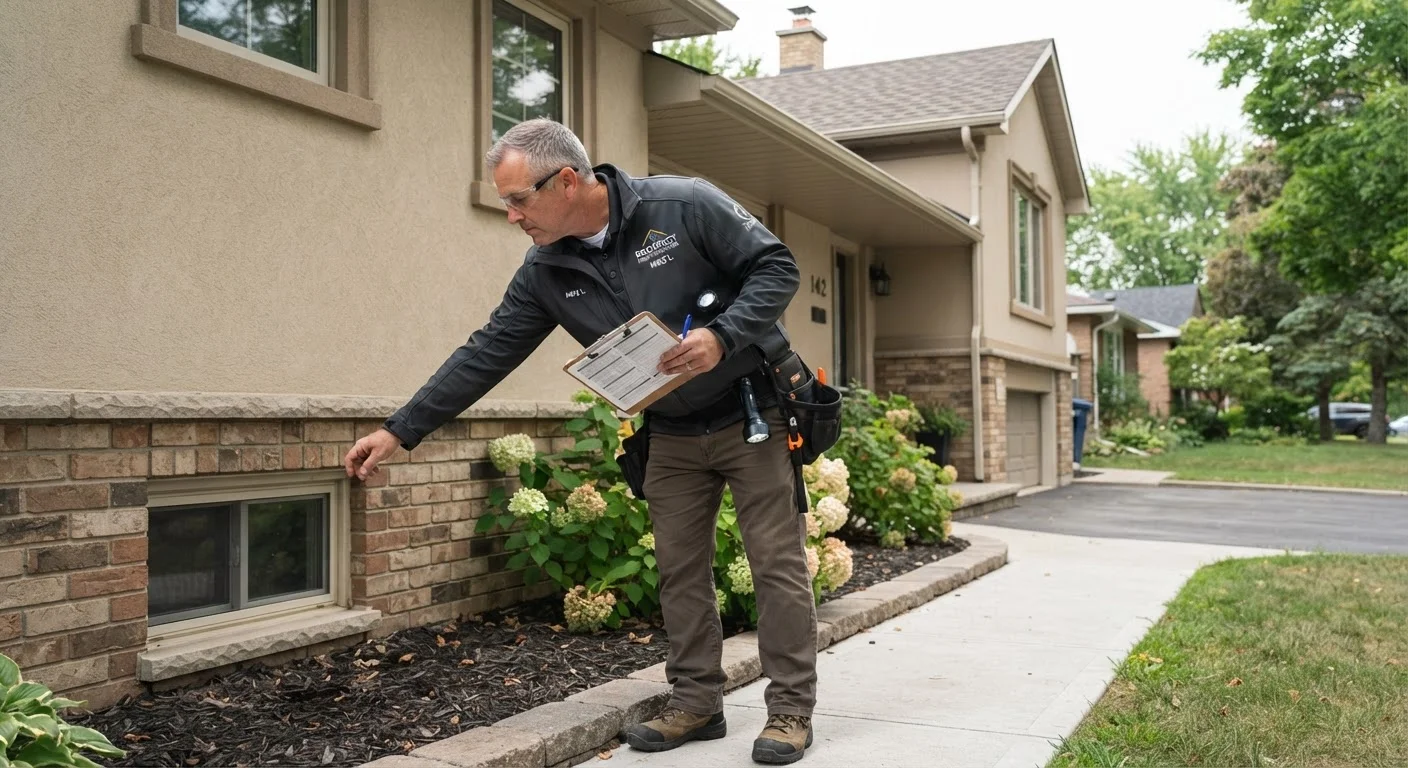
Photo: FaqExplorer.net | Informative Website editorial
Key Takeaways
- A standard inspection covers visible, accessible structural components and major mechanical systems.
- Inspectors do not open walls, test concealed wiring, or evaluate cosmetic conditions.
- Several important hazards-radon, mold, pests, lead paint-require separate, specialized inspections.
- The inspection report informs negotiation, not just a go/no-go decision.
- Attending the inspection in person gives buyers context that a written report alone cannot.
What a Standard Inspection Actually Examines
A licensed general home inspector evaluates the visible and accessible components of a property on a single visit. Their scope typically includes:
- Roof: Shingles, flashing, gutters, and visible signs of deterioration or improper drainage.
- Foundation and structure: Visible cracks, settlement patterns, and the condition of crawl spaces or basements where accessible.
- Exterior: Siding, grading, driveways, decks, and window and door frames.
- Electrical system: The service panel, visible wiring, outlets, and GFCI protection in kitchens and bathrooms.
- Plumbing: Water pressure, visible supply and drain lines, water heater condition, and fixture function.
- HVAC systems: Heating and cooling equipment operation, visible ductwork, and filters.
- Interior: Walls, ceilings, floors, windows, doors, and stairways-assessed for visible damage or functional issues.
- Insulation and ventilation: Attic insulation levels and ventilation adequacy where visible.
The inspector documents findings with photographs and written descriptions. This report becomes a key tool as you work through the home buying process, particularly during the negotiation phase.
Attend the Inspection If You Can
What Inspectors Do Not Cover
Understanding the inspection's limits is just as important as knowing its scope. A standard inspection does not include:
- Concealed systems: Inspectors do not open walls, ceilings, or floors. Wiring or plumbing inside walls is not evaluated.
- Radon: Radon testing requires a separate kit or specialist. In many regions-especially the Midwest and Mid-Atlantic-radon levels are a serious concern and should be tested independently.
- Mold: Inspectors may note visible moisture or discoloration but do not perform air quality or mold sampling.
- Pest and wood-destroying organisms: Termites, carpenter ants, and wood rot require a separate pest inspection, which is often lender-required in certain states.
- Lead paint or asbestos: Common in homes built before 1978 and 1980 respectively, these hazards require laboratory testing by certified specialists.
- Sewer lines: A camera scope of the main sewer line is a separate service and is advisable for older homes.
- Septic systems or private wells: These require their own inspections and tests.
- Pools, spas, or outbuildings: Often excluded unless the inspector is specifically contracted to evaluate them.
A seller's disclosure can flag known issues, but it is not a substitute for inspection. Reading the seller's disclosure carefully before the inspection lets you direct the inspector's attention to areas the seller has identified as problematic.
Consider Bundling Specialized Inspections
How to Use Inspection Findings Effectively
An inspection report is not a simple pass/fail grade-it is a condition inventory. Buyers often make two mistakes: ignoring significant findings because they are excited about the property, or demanding that sellers fix every minor item. Neither serves you well.
Prioritize findings by category:
- Safety hazards: Faulty electrical panels, carbon monoxide risks, structural compromise. These warrant immediate attention and negotiation.
- Major system deficiencies: An aging HVAC unit, a failing roof, or a water heater at end of life. Factor repair or replacement costs into your offer or request credits.
- Deferred maintenance: Worn caulking, minor grading issues, or aging paint. These are typically your responsibility as the incoming owner.
If the inspection reveals significant unpermitted work, consult which home projects legally require permits to understand the potential liability you may be inheriting. Unpermitted additions or electrical work can create complications with insurance, resale, and local code enforcement.
After closing, if you need professional help addressing issues identified in the report, experienced homeowners vet contractors carefully to avoid disputes and cost overruns.
Frequently Asked Questions
The content on this site is provided for informational purposes only and should not be considered a substitute for professional advice. While we strive to provide accurate and up-to-date information, we make no guarantees regarding its completeness or accuracy. Always consult a qualified professional for advice specific to your circumstances before making any decisions.