
Permit or No Permit: Which Home Projects Legally Require One

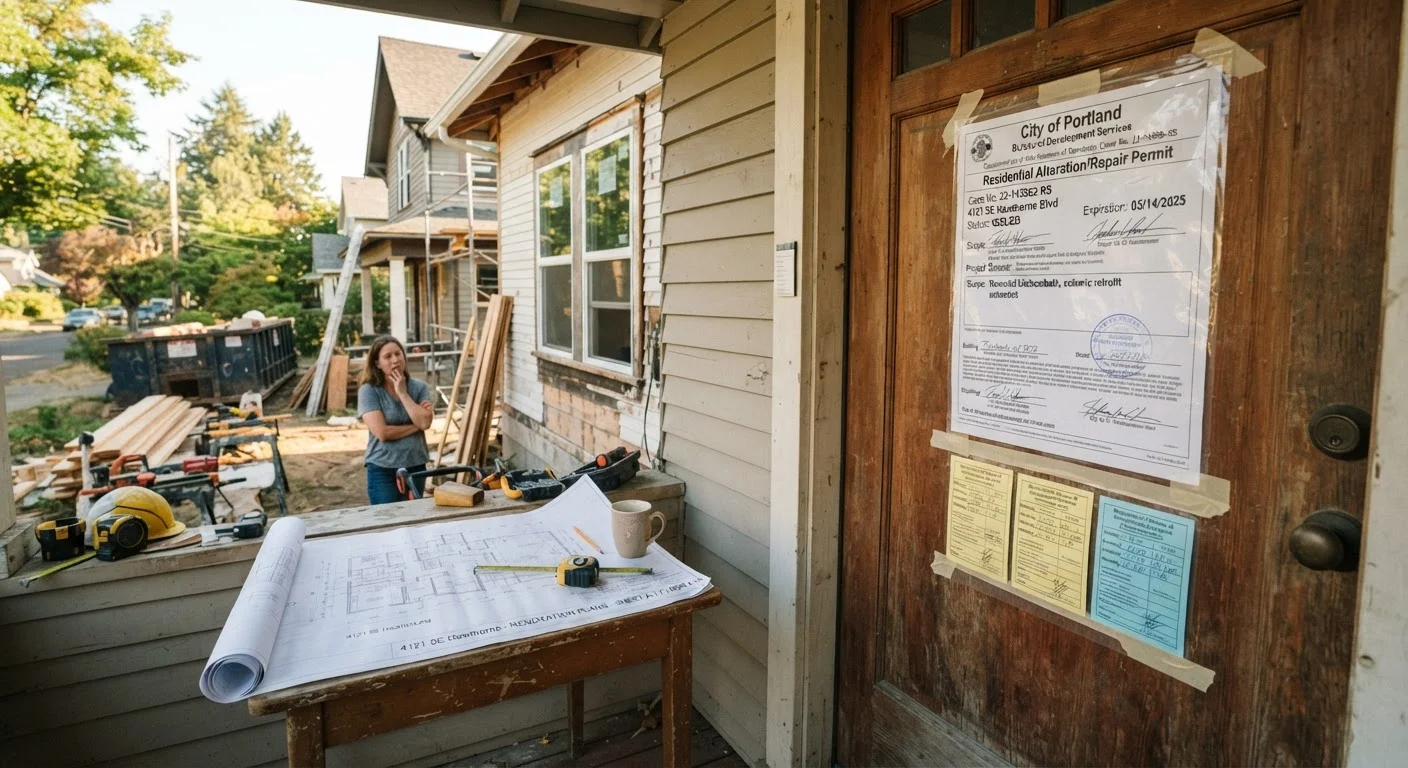
Photo: FaqExplorer.net | Informative Website editorial
Why Permits Exist - and What's at Stake
Building permits exist to protect homeowners, future buyers, and the public. When a permit is issued, a licensed inspector verifies that the work meets local building codes - standards designed to ensure structural integrity, fire safety, and proper electrical or plumbing function. Without that sign-off, you have no independent confirmation the work was done correctly.
The consequences of skipping a required permit are concrete. Unpermitted work can surface during a home inspection before a sale, potentially delaying closing or triggering price renegotiations. Homeowners' insurance may deny claims tied to unpermitted improvements. In some jurisdictions, local authorities can order the work demolished and redone at the homeowner's expense. See our guide to what a home inspection actually covers to understand how inspectors flag unpermitted additions.
Projects That Typically Require a Permit
Permit requirements vary by jurisdiction, but the following categories almost universally trigger a permit obligation across U.S. municipalities:
- Structural changes: Removing or adding load-bearing walls, additions, new rooms, or garage conversions.
- Electrical work: Adding or upgrading a panel, running new circuits, installing a subpanel, or whole-home rewiring. Replacing a single outlet or switch generally does not require a permit, but check locally.
- Plumbing: Moving or adding supply or drain lines, water heater replacement (in most states), and installing new fixtures that require new rough-in work.
- HVAC: Installing a new furnace, central air system, or ductwork. Like-for-like equipment replacement rules differ by location.
- Roofing: Full tear-offs typically require permits; patching small areas usually does not, but many counties now require permits even for complete re-roofing.
- Decks and fences: Decks above a certain height (often 30 inches from grade) almost always require a permit. Fence height and setback rules vary significantly.
- Accessory structures: Detached garages, sheds above a square-footage threshold (often 120-200 sq ft), and swimming pools.
- Basement finishing: Converting unfinished space to conditioned living area typically requires permits covering framing, insulation, electrical, and egress windows.
For a fuller picture of which upgrades deliver the most functional value, visit our article on renovation projects that genuinely change how a home functions.
Building permit
An official authorization from a local government allowing construction, renovation, or demolition work to proceed. Permits ensure the work is inspected and meets applicable building codes.
Building code
A set of regulations specifying minimum standards for construction, including structural integrity, fire safety, electrical systems, and plumbing. Codes are adopted and enforced at the local or state level, often based on model codes such as the International Building Code (IBC).
Certificate of occupancy (CO)
A document issued by the local authority confirming that a completed structure or renovation meets all code requirements and is safe for occupancy.
Rough-in inspection
An inspection conducted after framing, electrical, and plumbing work is roughed in but before walls are closed, allowing an inspector to verify hidden systems before they become inaccessible.
Load-bearing wall
A wall that supports the weight of the structure above it. Removing or altering a load-bearing wall without engineering review and a permit is a structural and safety risk.
Unpermitted work
Construction or renovation performed without the required permits. Unpermitted work is not inspected and may be flagged during a home inspection, title search, or insurance claim.
Projects That Usually Don't Require a Permit
Many common home improvement tasks fall below the permit threshold in most jurisdictions:
- Painting, wallpapering, and flooring replacement (tile, hardwood, carpet)
- Cabinet and countertop replacement that doesn't move plumbing
- Replacing windows or doors in the same opening without altering framing
- Minor landscaping not involving grading or drainage changes
- Installing a ceiling fan in an existing fixture box
- Small freestanding sheds below the local square-footage threshold
Even for these projects, verify with your local building department. Some cities apply permit requirements more broadly than state minimums, and homeowner association rules may add another layer of approval requirements entirely separate from municipal permits.
How to Verify What Your Project Requires
The only reliable source for permit requirements is your local building or planning department - not a contractor's assurance or a general internet search. Most municipalities now publish permit requirement checklists on their official websites. When in doubt, call the department directly; staff can typically confirm whether your project needs a permit in a short conversation.
When hiring a contractor, confirm in writing who is responsible for pulling permits. Licensed contractors in most states are legally required to pull permits for covered work - if a contractor suggests skipping permits to save money or time, treat that as a significant red flag. Our guide on hiring a general contractor outlines the due-diligence practices experienced homeowners use to avoid exactly these situations.
If you're planning your first significant renovation and want to understand the full process - from scoping to final inspection - see Your First Home Renovation: Understanding the Process Before You Start. And for a comprehensive view of planning and managing projects at any scale, the Home Improvement: A Complete Homeowner's Roadmap is a useful reference throughout your ownership journey.
This article is for general informational purposes only and does not constitute legal or code-compliance advice. Permit requirements vary by jurisdiction; always verify with your local building authority before beginning any home improvement project.
The content on this site is provided for informational purposes only and should not be considered a substitute for professional advice. While we strive to provide accurate and up-to-date information, we make no guarantees regarding its completeness or accuracy. Always consult a qualified professional for advice specific to your circumstances before making any decisions.