
Red Flags to Watch for When Touring a Rental Property

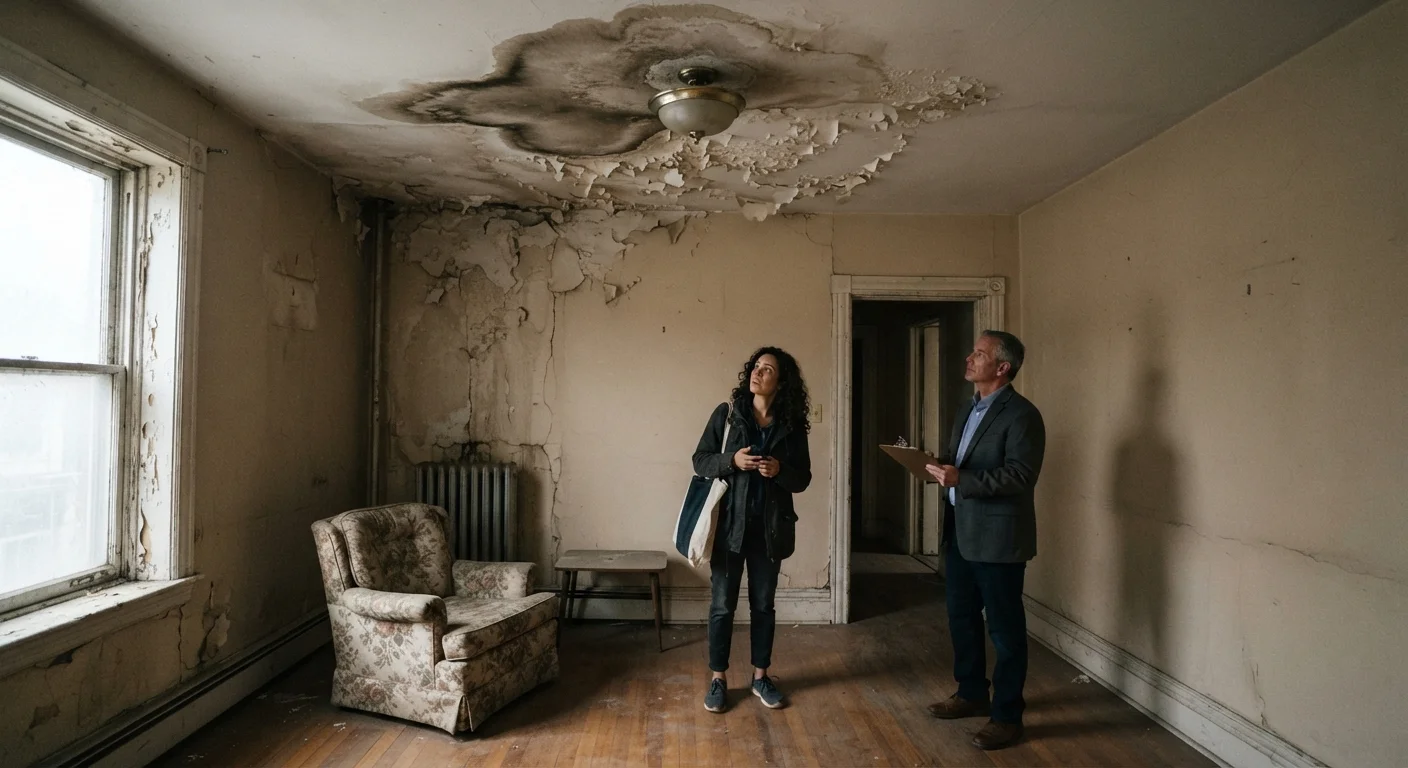
Photo: FaqExplorer.net | Informative Website editorial
Key Takeaways
- Visible water stains, mold, and pest evidence are serious structural and health concerns that warrant walking away.
- An evasive or pressure-tactics landlord is often a preview of how maintenance requests will be handled.
- Vague or one-sided lease language can expose renters to unexpected fees and restricted legal protections.
- Testing every fixture, outlet, and lock during a tour is a basic step most renters skip.
- Unusually low rent relative to comparable units in the area is worth scrutinizing, not celebrating.
What a Rental Tour Can Actually Tell You
A rental tour is not just a chance to imagine where your furniture will go - it is a structured opportunity to uncover problems that won't be disclosed on the listing page. Landlords are not always required to volunteer every defect, and photos are routinely staged or outdated. The few minutes you spend walking through a unit can save you months of frustration, legal disputes, or unexpected repair costs.
The warning signs below are based on widely documented renter experiences and standard property maintenance expectations. Some red flags are cosmetic; others signal deeper structural, legal, or relationship problems. Either way, what you observe before signing carries far more weight than promises made afterward. Before you tour, it also helps to understand what first-time renters are often caught off guard by so you walk in prepared.
Water Stains, Mold, or Musty Odors
Brown ceiling stains, dark patches along baseboards, or a persistent musty smell are among the most significant red flags a renter can encounter. These signs typically indicate active or past water intrusion - whether from a roof leak, plumbing failure, or inadequate ventilation. Mold in particular poses documented health risks and can be expensive to remediate. Check inside closets, under sinks, around window frames, and in bathroom corners. If the landlord dismisses your concern or claims it has already been fixed without showing proof, treat that response as a red flag in itself.
Mold and water damage are expensive to fix and can directly affect your health - never overlook them.
Pest Evidence
Droppings in cabinet corners, gnaw marks along baseboards, roach casings near the stove, or unexplained holes in walls are clear indicators of an active or recurring pest problem. Infestations are notoriously difficult to eliminate in multi-unit buildings, and in many states, landlords are legally required to provide pest-free habitable conditions. Ask directly whether the building has a history of pest issues and whether extermination services are included. If the landlord hesitates or deflects, that warrants serious caution.
Pest infestations in multi-unit buildings are hard to eliminate and often a landlord's legal responsibility to prevent.
Fixtures, Outlets, and Appliances That Don't Work
Test every light switch, outlet, faucet, and included appliance during your tour - not just a sample. Running water to check pressure and drainage, flushing the toilet, turning on the stove burners, and plugging something into each outlet takes less than ten minutes and reveals a great deal about how well the property has been maintained. Non-functional items that the landlord says will be repaired before move-in should be documented in writing as a condition of the lease, not taken on verbal assurance.
If basic fixtures don't work during the tour, assume maintenance requests after move-in will face similar delays.
Inadequate or Broken Security Features
Check that all exterior doors have functioning deadbolts, windows on accessible floors have working locks, and any building entry system operates properly. Examine door frames for signs of forced entry - splintering or misalignment - which may indicate past break-ins that were never properly repaired. In some states, landlords are legally obligated to provide specific minimum security features. A unit with compromised locks or a broken building entry door represents both a safety concern and a potential habitability issue under local codes.
Broken locks and damaged door frames are safety hazards, not minor inconveniences to fix after move-in.
A Landlord Who Is Evasive or Uses Pressure Tactics
Pay close attention to how the landlord or property manager communicates during the showing. Reluctance to answer direct questions about maintenance history, utility costs, or neighbor turnover can signal a pattern of poor communication. Equally concerning is the opposite problem: pressure to sign immediately, claims that other applicants are competing for the unit right now, or resistance to giving you time to review the lease. Legitimate landlords expect due diligence. Anyone who discourages it is giving you important information about what the tenancy will look like. If you want a framework for evaluating lease terms under these conditions, the guide on negotiating with a landlord outlines what you can reasonably push back on.
How a landlord handles your questions during a tour previews how they will handle your maintenance calls later.
Vague, Unusual, or One-Sided Lease Terms
If the landlord presents a lease during or immediately after the tour, read it carefully rather than skimming it. Terms to scrutinize include: broad clauses allowing rent increases with minimal notice, fee structures for routine requests like package deliveries or guest visits, ambiguous language around security deposit returns, and automatic renewal provisions that lock you in without explicit opt-out. A lease that waives your right to habitability standards or attempts to transfer landlord maintenance obligations to the tenant may be unenforceable in your state - but defending that position takes time and legal costs. Understanding the difference between lease structures is also worth reviewing; see month-to-month vs. fixed-term lease trade-offs before committing.
Unusual fee structures and vague habitability language in a lease deserve a legal review before you sign.
Rent That Seems Unusually Low for the Area
Pricing a unit below comparable rentals in the same neighborhood is sometimes a legitimate strategy - but it can also indicate undisclosed problems. Common explanations include a history of pest issues, ongoing noise or neighbor complaints, a pending sale of the property that could displace tenants, or a unit that has failed recent inspections. Research average rents for similar units in the area before your tour using publicly available rental market data. If the price is significantly below market without a clear reason, ask the landlord directly and observe how they respond.
Rent well below market rate is worth questioning directly - the reasons aren't always in the listing.
Turning Observations Into Decisions
No rental unit is perfect, and isolated minor issues - a sticky cabinet door, a scuff on the baseboard - are not cause for alarm. The concern is pattern: multiple overlapping problems, or a single issue with significant financial or safety implications. When you spot red flags, document them with dated photos before you sign anything, and request written confirmation of any promised repairs.
Bring a Checklist and a Camera
If you reach the lease stage, study every clause carefully. Some of the most harmful terms are buried in dense paragraphs covering fees, subletting, and renewal conditions. Our guide to reading a lease agreement before you sign breaks down the language renters most commonly misread. And before handing over a deposit, run through the full financial checklist for moving in to make sure no upfront cost catches you off guard.
This article is for general informational purposes only and does not constitute legal or financial advice. Rental laws and landlord-tenant regulations vary by state and locality. Consult a qualified attorney or tenant advocacy organization for guidance specific to your situation.
The content on this site is provided for informational purposes only and should not be considered a substitute for professional advice. While we strive to provide accurate and up-to-date information, we make no guarantees regarding its completeness or accuracy. Always consult a qualified professional for advice specific to your circumstances before making any decisions.