
The Renter's Complete Financial Checklist Before Moving In

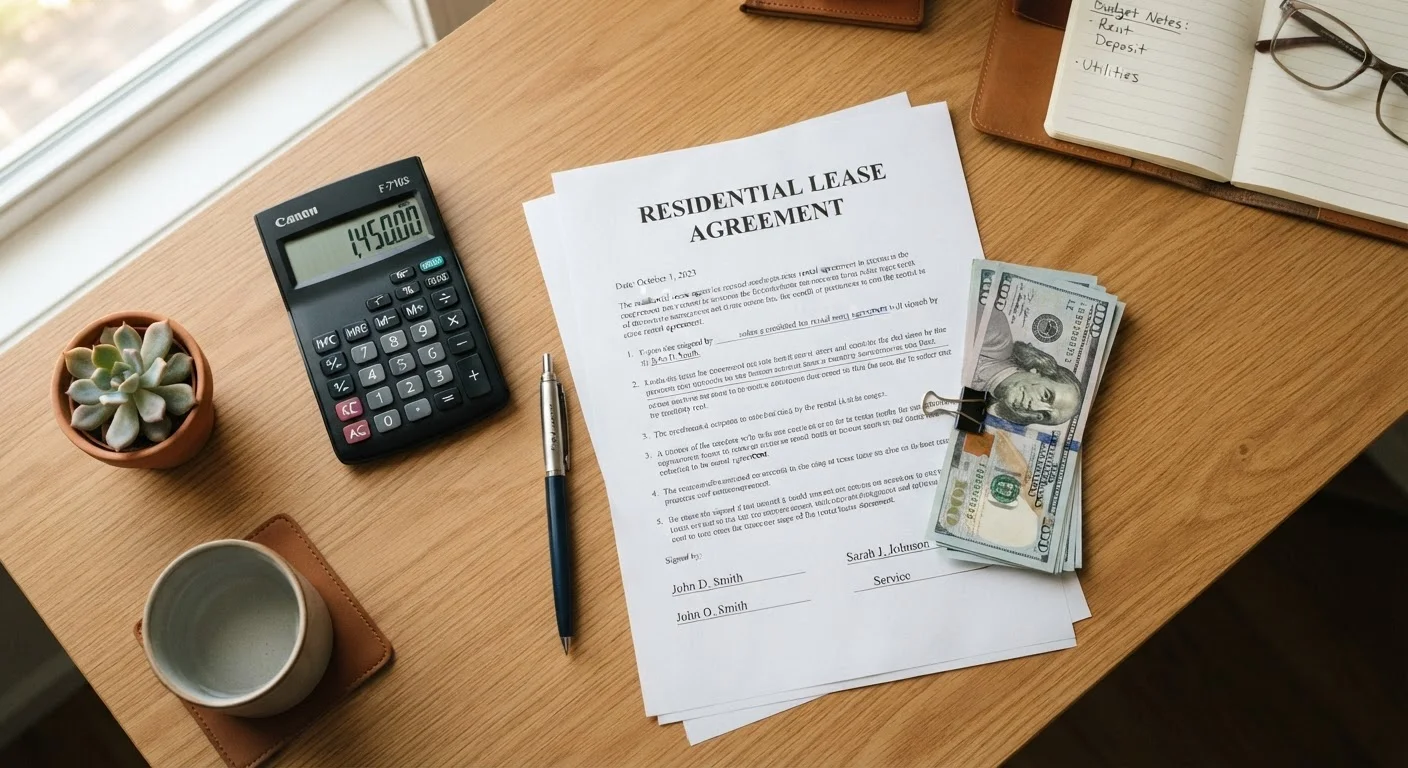
Photo: FaqExplorer.net | Informative Website editorial
Key Takeaways
- Move-in costs routinely reach two to three times the monthly rent when all upfront fees are added together.
- Security deposit limits vary by state - knowing your state's cap protects you from overcharges.
- Utility deposits, pet fees, and parking charges are common costs renters overlook when budgeting.
- Reviewing the lease carefully before signing can prevent costly surprises mid-tenancy or at move-out.
- Renters insurance is a low-cost safeguard that many landlords now require as a lease condition.
Why Move-In Costs Add Up Faster Than Expected
Most renters budget for first month's rent and a security deposit - then get blindsided by the stack of additional charges that appear before they receive a key. Pet fees, utility deposits, parking permits, and administrative charges can collectively push total move-in costs to two or three times the monthly rent. Going in with a complete picture of what you owe prevents cash-flow shortfalls and last-minute stress.
This checklist covers every common upfront cost and lease consideration, so you can enter the rental process with your finances aligned and your rights protected. If you're navigating your first rental, our guide for first-time renters covers the broader application and lease process in detail.
State Tenant Rights Resource
Helps you verify your state's security deposit cap, required return timelines, and other legally mandated renter protections.
Spreadsheet or Budgeting App
Used to itemize every upfront cost and ongoing monthly expense so you have a complete picture before committing.
Smartphone Camera
Documents pre-existing damage to the unit at move-in with dated, timestamped photographs for your records.
Renters Insurance Policy
Covers personal property loss and liability - required by many landlords and generally low-cost relative to the protection it provides.
Understanding the Full Scope of Upfront Fees
The five cost categories in the checklist below represent the most common financial obligations renters face before move-in day. Work through each group methodically and confirm every figure in writing before you sign the lease.
Upfront Cash Costs
Pet, Parking, and Storage Fees
Utilities and Service Deposits
Lease Review and Legal Protections
Insurance and Move-In Documentation
For a deeper look at what landlords are legally permitted to do with your security deposit - and how to protect your right to a full refund - see our security deposit explainer.
Security Deposit Limits Are Set by State Law
Lease Review: The Step Most Renters Rush
The lease is a legally binding contract, and every clause has financial consequences. Renewal provisions may allow automatic rent increases; early termination clauses can cost you one to two months' rent if you need to leave; maintenance responsibilities may shift costs to you that you assumed the landlord would cover. Reading a lease agreement carefully before signing is one of the highest-value steps a renter can take.
Pay particular attention to the conditions under which your security deposit can be withheld. Understanding those terms now - before move-in - informs how you document the unit's condition at move-in. Thorough move-in documentation is your primary defense against unfair deductions; our documentation guide walks through exactly what to photograph and how to store your records.
Don't Pay Without Written Documentation
Prorated Rent Can Mask a Surprise Bill
Building Your Ongoing Monthly Budget
Once you have accounted for all upfront costs, shift your focus to the monthly carrying costs that will define your financial baseline for the lease term. Utilities, pet rent, parking, and renters insurance all recur every month - and their combined total can meaningfully affect your cash flow. Use a monthly budget setup checklist to map these costs against your income before signing.
Renters insurance deserves special attention. Policies typically cover personal property, temporary living expenses if your unit becomes uninhabitable, and liability protection - and many landlords now require proof of coverage as a lease condition. Understanding what renters insurance covers helps you choose the right coverage level without overpaying.
If your move-in costs involve stretching your finances, review your broader borrowing picture. This financial readiness checklist can help you assess whether taking on additional debt at the same time makes sense for your situation.
This article is for informational purposes only and does not constitute legal or financial advice. Tenant rights and deposit regulations vary by state and locality - consult a qualified legal or financial professional for guidance specific to your circumstances.
The content on this site is provided for informational purposes only and should not be considered a substitute for professional advice. While we strive to provide accurate and up-to-date information, we make no guarantees regarding its completeness or accuracy. Always consult a qualified professional for advice specific to your circumstances before making any decisions.