
Renting vs. Buying: Thinking Through the Decision Without the Hype

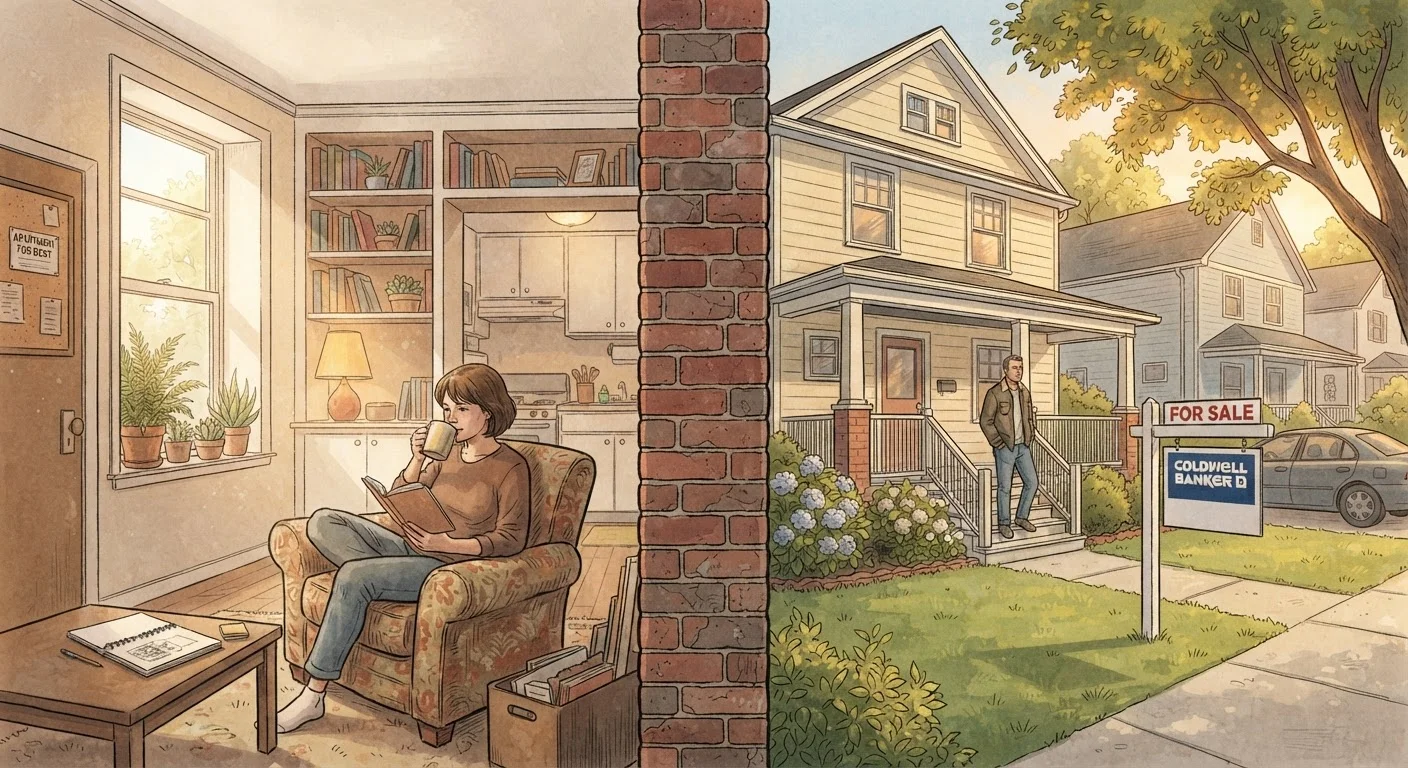
Photo: FaqExplorer.net | Informative Website editorial
Key Takeaways
- Neither renting nor buying is universally better - local market conditions and personal finances matter most.
- The true cost of homeownership includes property taxes, maintenance, and insurance beyond the mortgage payment.
- Renting offers flexibility that can be financially advantageous in high-cost markets or uncertain life stages.
- Building equity through homeownership takes several years and depends heavily on how long you stay.
- Your timeline, savings, and income stability should drive the decision more than cultural pressure.
Flexibility to relocate without financial penalty
Renters can typically exit with 30-60 days' notice, making it far easier to pursue job opportunities or manage life changes than selling a home under time pressure.
No exposure to maintenance and repair costs
Landlords are generally responsible for structural repairs, appliance replacement, and major system failures - costs that can run into the thousands for homeowners.
Lower barrier to entry in high-cost markets
In cities where median home prices far exceed what most households can finance, renting allows access to desirable locations without the capital required to purchase.
Capital stays liquid for other financial goals
Funds not tied up in a down payment can be directed toward retirement accounts, emergency savings, or other investments, preserving financial flexibility.
No equity accumulation over time
Monthly rent payments build no ownership stake, meaning renters do not benefit directly from property appreciation in the local market.
Exposure to rent increases and non-renewal
In most US states, landlords can raise rent or decline to renew a lease at the end of a term, creating housing instability that homeowners do not face.
Limited control over the living space
Renters typically cannot make structural changes, paint without permission, or keep certain pets - restrictions that affect long-term comfort and personalization.
Large upfront costs before moving in
Security deposits, first and last month's rent, and application fees can collectively require several thousand dollars before a renter is handed the keys.
Significant transaction costs on purchase
Buying a home involves closing costs, agent commissions, inspection fees, and moving expenses that can total 5-10% of the purchase price and take years to recoup.
Why the Decision Is Rarely Obvious
The conventional wisdom - that buying is always smarter than renting - has softened considerably as housing prices, mortgage rates, and living patterns have shifted. In many US metros, the monthly cost of owning a comparable home is meaningfully higher than renting one, particularly when you account for taxes, insurance, and upkeep. That doesn't make renting the automatic winner either. The honest answer is that both paths carry real trade-offs, and which one works depends on factors specific to your household.
For a detailed breakdown of how these costs stack up financially, see a realistic look at the financial trade-offs. This article focuses on the broader decision framework - helping you think clearly through the pros and cons without defaulting to pressure from either direction.
The "Equity vs. Flexibility" Trade-Off
The Case for Renting
Renting is often framed as "throwing money away," but that framing ignores what you get in return: flexibility, predictable monthly costs, and freedom from maintenance responsibilities.
Flexibility to relocate without financial penalty
Renters can typically exit with 30-60 days' notice, making it far easier to pursue job opportunities or manage life changes than selling a home under time pressure.
No exposure to maintenance and repair costs
Landlords are generally responsible for structural repairs, appliance replacement, and major system failures - costs that can run into the thousands for homeowners.
Lower barrier to entry in high-cost markets
In cities where median home prices far exceed what most households can finance, renting allows access to desirable locations without the capital required to purchase.
Capital stays liquid for other financial goals
Funds not tied up in a down payment can be directed toward retirement accounts, emergency savings, or other investments, preserving financial flexibility.
If your career, family situation, or health circumstances could require a move within the next few years, locking into a 30-year mortgage introduces real risk. Selling a home quickly - especially in a cooling market - can mean absorbing transaction costs that wipe out any equity gained. Renters can adapt more readily. The type of lease you choose also shapes your flexibility; month-to-month vs. fixed-term leases each carry distinct trade-offs worth understanding before you sign.
It's also worth noting that rent is not the only cost renters face. The true cost of renting includes utilities, renters insurance, application fees, and potential move-in costs - all of which should factor into your budget.
The Case for Buying
Homeownership offers genuine advantages, particularly for households with stable finances and a long planning horizon. Equity accumulation is the most cited benefit: each mortgage payment gradually transfers ownership from the lender to you, and if the property appreciates, that equity grows further. Owners also enjoy greater control over their living space - the ability to renovate, paint, or keep pets without landlord approval.
No equity accumulation over time
Monthly rent payments build no ownership stake, meaning renters do not benefit directly from property appreciation in the local market.
Exposure to rent increases and non-renewal
In most US states, landlords can raise rent or decline to renew a lease at the end of a term, creating housing instability that homeowners do not face.
Limited control over the living space
Renters typically cannot make structural changes, paint without permission, or keep certain pets - restrictions that affect long-term comfort and personalization.
Large upfront costs before moving in
Security deposits, first and last month's rent, and application fees can collectively require several thousand dollars before a renter is handed the keys.
Significant transaction costs on purchase
Buying a home involves closing costs, agent commissions, inspection fees, and moving expenses that can total 5-10% of the purchase price and take years to recoup.
Tax deductibility of mortgage interest, though less impactful after the 2017 tax law changes raised the standard deduction, may still benefit some itemizing homeowners. Fixed-rate mortgages also provide payment predictability over time, which rents in competitive markets often do not. And if you're weighing a new build against an existing home, new construction vs. existing homes each come with their own financial and practical trade-offs.
Key Variables That Should Drive Your Decision
Rather than asking "Is buying better than renting?" ask more specific questions about your situation:
5-7 years
Minimum stay to recoup buying costs
Housing economists generally estimate that homeowners need to stay put for at least five to seven years before the transaction costs of buying and selling are offset by equity growth.
2-5%
Typical closing cost range
The Consumer Financial Protection Bureau notes that closing costs on a home purchase commonly fall between 2% and 5% of the loan amount, separate from the down payment.
~1%
Annual maintenance cost estimate
A commonly cited rule of thumb in personal finance and real estate circles holds that homeowners should budget roughly 1% of a home's value each year for maintenance and repairs.
- How long will you stay? Most financial analyses suggest you need to remain in a purchased home for at least five to seven years to recoup transaction costs and build meaningful equity.
- What is the price-to-rent ratio in your market? This metric compares local home prices to annual rents. Higher ratios generally favor renting; lower ones can favor buying. Online tools from housing research organizations can help you calculate this for specific ZIP codes.
- Do you have adequate reserves? Beyond a down payment, buyers need funds for closing costs (typically 2-5% of the purchase price), moving expenses, and a maintenance reserve - commonly estimated at 1% of the home's value annually.
- Is your income stable enough to carry a mortgage through market disruptions? Job loss or income reduction is far more manageable as a renter than as a borrower at risk of default.
None of these questions have universal answers, but working through each honestly will put you in a far better position than relying on cultural assumptions about what homeownership means.
This article is for informational purposes only and does not constitute financial or legal advice. Consult a qualified financial adviser or real estate attorney for guidance specific to your situation.
The content on this site is provided for informational purposes only and should not be considered a substitute for professional advice. While we strive to provide accurate and up-to-date information, we make no guarantees regarding its completeness or accuracy. Always consult a qualified professional for advice specific to your circumstances before making any decisions.