
Security Deposits: What Landlords Can and Cannot Do With Your Money

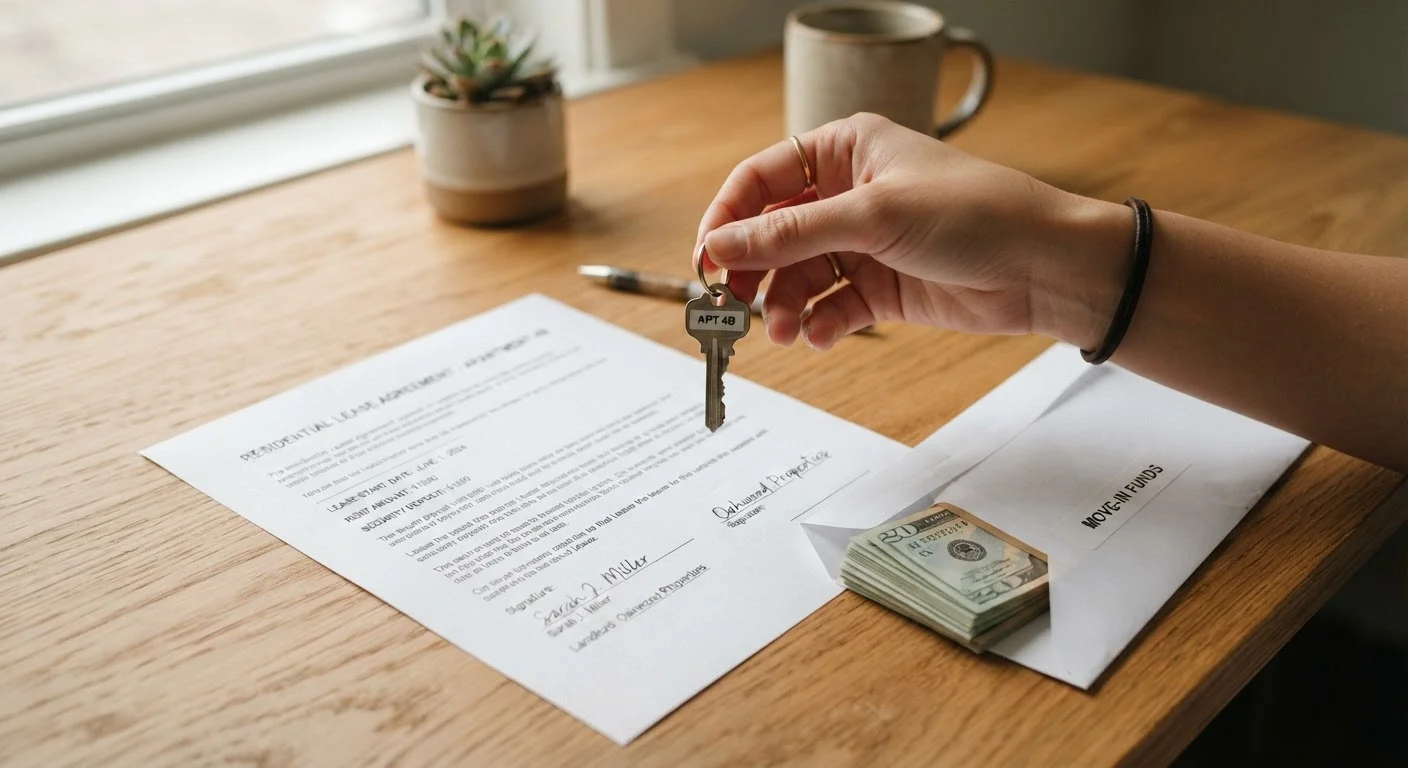
Photo: FaqExplorer.net | Informative Website editorial
Key Takeaways
- Security deposit limits, return deadlines, and permitted deductions are all governed by state law.
- Landlords cannot deduct for normal wear and tear - only for damage beyond ordinary use.
- A detailed move-in inspection report and photographs are your strongest protection against unfair deductions.
- Landlords who miss return deadlines or make improper deductions can face penalties, sometimes double or triple the deposit amount.
- Always get your forwarding address to your landlord in writing to start the return clock.
How Security Deposits Work
A security deposit is collected at lease signing, typically alongside first month's rent and sometimes last month's rent. Before you hand over that check, it pays to understand exactly what you're agreeing to - and what the law requires of your landlord in return. See our renter's complete financial checklist to account for every upfront cost before signing.
State statutes - not the lease - set the fundamental rules governing deposits. Lease terms can add detail, but they cannot override tenant protections written into law. Key elements regulated by most states include:
- Maximum deposit amount: Usually one to two months' rent, though some states set no cap.
- Storage requirements: Many states require deposits to be held in a dedicated escrow or trust account separate from the landlord's personal funds.
- Written receipts: Landlords in many jurisdictions must provide written confirmation of where and how the deposit is held.
- Return deadline: Typically 14 to 60 days after move-out, depending on the state.
Before signing, review the lease clause governing the deposit carefully. Our guide on reading a lease agreement before you sign explains how to interpret these provisions accurately.
What Landlords Can - and Cannot - Deduct
This is where most disputes arise. Landlords are permitted to deduct from a security deposit for specific, documented reasons. They are not permitted to use the deposit as a general maintenance fund.
~50%
Renters who experience deposit disputes
Consumer advocacy surveys consistently find that roughly half of renters encounter some form of dispute over security deposit returns during their rental history.
14-60 days
Typical state return deadline range
State laws across the U.S. require landlords to return deposits within windows ranging from 14 to 60 days after move-out, with most states clustered around 21-30 days.
2-3×
Penalty multiplier for wrongful withholding
A number of states, including California, Texas, and New York, allow courts to award tenants double or triple the deposit amount when landlords wrongfully withhold funds.
Permitted deductions
- Unpaid rent or utilities owed under the lease
- Damage to the unit beyond normal wear and tear (e.g., large holes in walls, broken doors, pet damage not disclosed upfront)
- Excessive cleaning if the unit is left in a condition significantly worse than move-in
- Costs specified in the lease, such as a documented lease-break fee
Not permitted deductions
- Normal wear and tear - routine aging through ordinary use
- Pre-existing damage that was present at move-in
- General maintenance or repairs that are the landlord's legal responsibility
- Cosmetic upgrades, such as repainting walls that simply show age
Many renters are surprised to learn how strictly courts interpret the wear-and-tear standard. Common myths about tenant rights outlines misconceptions that frequently cost renters money when disputes arise.
Document Everything Before You Unpack
How to Protect Your Deposit From Move-In to Move-Out
The most effective protection against unfair deductions is thorough documentation - created before you unpack a single box. A landlord cannot dispute photographic evidence timestamped on your move-in day.
At move-in, walk every room systematically and photograph all existing damage: scuffs, stains, chips, broken fixtures. Note these in a written move-in inspection report and ask your landlord to co-sign it. If they won't, email your photos to them immediately - creating a timestamped paper trail. Our detailed guide on documenting a rental unit at move-in and move-out walks through exactly what to capture and how to store your records safely.
At move-out, repeat the same process. Clean the unit to the standard it was in when you arrived, complete any minor repairs you're responsible for, and return all keys. Then:
- Provide your forwarding address to the landlord in writing - this starts the legal return deadline in most states.
- Request a move-out walkthrough if your state allows it; some states give tenants this right by law.
- Keep copies of all correspondence with your landlord about the deposit.
If your landlord later makes deductions you believe are improper, respond in writing promptly. Document your objection and request an itemized statement if one hasn't been provided - most states require landlords to supply a written itemization of all deductions alongside any remaining refund.
This article is for general informational and educational purposes only and does not constitute legal advice. Tenant-landlord laws vary significantly by state and locality. Consult a qualified attorney or your local tenant rights organization for guidance specific to your situation.
Frequently Asked Questions
The content on this site is provided for informational purposes only and should not be considered a substitute for professional advice. While we strive to provide accurate and up-to-date information, we make no guarantees regarding its completeness or accuracy. Always consult a qualified professional for advice specific to your circumstances before making any decisions.