
The Full Picture on Hair Porosity and Why It Changes How Products Behave

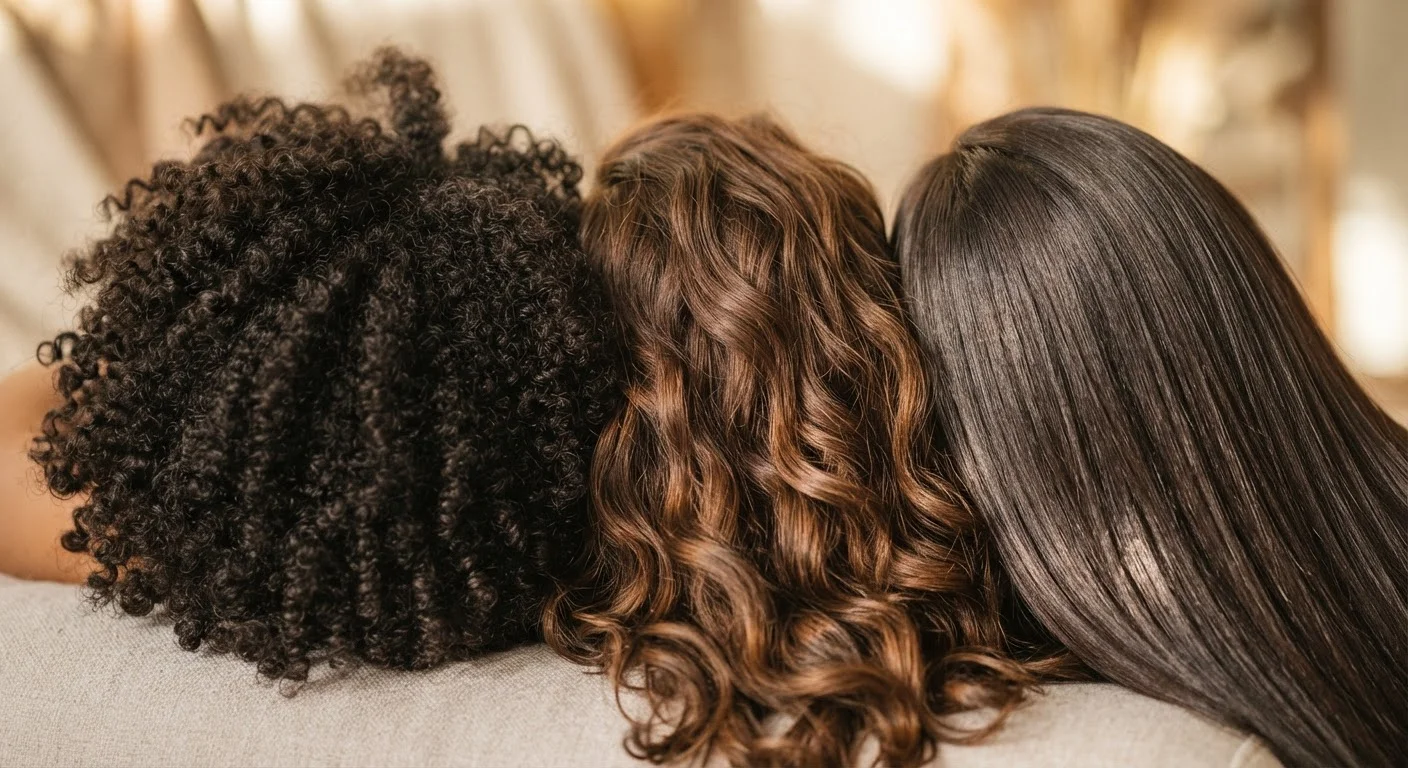
Photo: FaqExplorer.net | Informative Website editorial
Key Takeaways
- Hair porosity describes how readily your strands absorb and retain water and products.
- Low porosity hair resists moisture entry; high porosity hair absorbs quickly but loses moisture fast.
- Chemical treatments, heat styling, and UV exposure can all raise porosity over time.
- Choosing products suited to your porosity level reduces buildup, breakage, and dryness.
- Porosity can vary across different sections of the same head of hair.
What Hair Porosity Actually Means
Every strand of hair is coated by a cuticle - a series of overlapping, scale-like cells that act as the hair's outer armor. Porosity refers to how open or closed those cuticle scales are, and by extension, how easily water, oils, and product ingredients can pass into and out of the hair shaft.
This single structural variable has outsized consequences. It determines whether a conditioner sits on top of the strand or penetrates it, whether your blowout lasts two days or two hours, and whether a protein treatment strengthens your hair or leaves it brittle. Just as understanding skin type before choosing a cleanser makes a meaningful difference - see our guide on identifying your skin type accurately - understanding porosity before building a hair routine prevents a lot of costly trial and error.
Porosity is not the same as hair texture, density, or elasticity, though all of these interact. A coily strand and a straight strand can share the same porosity level, and their ideal routines may look more alike than expected.
The Three Porosity Types Explained
Trichologists and cosmetic chemists generally describe porosity on a three-point scale.
Low Porosity
Cuticle scales lie tightly flat, making it genuinely difficult for water and product to enter the strand. Products tend to sit on top rather than absorb, and hair can take a long time to fully wet under the shower. The upside: once moisture is inside, it stays. Low-porosity hair is often naturally shiny and resistant to chemical processing.
Medium (Normal) Porosity
Cuticles are slightly raised and allow a balanced exchange - water enters with reasonable ease and is retained well. This type generally responds predictably to a wide range of products and styling techniques, requires less maintenance, and tends to hold color and treatments without excessive damage.
High Porosity
Cuticle gaps are wide, whether by genetics or damage. Hair absorbs moisture rapidly but releases it just as fast, which can lead to frizz, dryness, and difficulty maintaining style. High-porosity strands are more reactive to humidity changes and can feel rough or spongy when wet.
~95%
Hair damage attributed to cuticle disruption
Research in cosmetic science consistently identifies cuticle integrity as the primary structural factor in perceived hair damage and breakage.
3-7
Cuticle layers on a healthy hair strand
Healthy hair typically has between three and seven cuticle cell layers; processing and heat can strip these down significantly.
Up to 30%
Moisture loss in high-porosity hair
Studies on cosmetic ingredient penetration suggest high-porosity strands can lose absorbed water substantially faster than low-porosity hair under the same conditions.
How to Identify Your Porosity Level
There are a few accessible methods, each with caveats.
The Float Test
Place a clean, product-free strand in a glass of room-temperature water. Low-porosity hair tends to float for several minutes; high-porosity hair sinks quickly; medium porosity settles somewhere in between. This test is widely cited but not scientifically validated - treat it as a rough indicator, not a diagnosis.
Spray Bottle Observation
Mist a small section of clean, dry hair with water. If droplets bead and roll off, porosity is likely low. If water absorbs almost immediately, porosity is likely high. Medium porosity sits visibly in between.
Tactile Assessment
Run a strand between two fingers from tip to root. High-porosity hair often feels rough or catches noticeably; low-porosity hair tends to feel smooth and slick. This method works well alongside the spray test.
Test porosity on hair that has been clarified and is completely free of styling products - residue can alter both the float test result and tactile feel significantly.
If your results feel inconsistent, test strands from the crown, temple, and nape separately - porosity is not always uniform across the head.
Keep in mind that hair porosity can differ between your roots and ends, particularly if you heat-style or color regularly. Testing multiple sections gives a more complete picture.
Why Porosity Changes Over Time
Hair porosity is partly genetic - the natural cuticle structure you're born with - but it is also significantly influenced by what your hair experiences throughout its life.
- Chemical services: Coloring, bleaching, perming, and relaxing all physically alter the cuticle, typically raising porosity with each application.
- Heat styling: Repeated exposure to high heat without thermal protection degrades the cuticle layer progressively.
- UV exposure: Prolonged sun exposure oxidizes proteins in the hair shaft and disrupts cuticle integrity.
- Mechanical damage: Aggressive brushing, tight elastic bands, and towel-rubbing all contribute to cuticle wear.
- Hard water: Mineral deposits from hard tap water can coat the cuticle over time, affecting how products interact with strands.
Understanding how hydration and moisture work together is closely related - the same principles that separate hydration from moisture in skincare apply to hair care: water content and lipid retention are separate processes that require different ingredients.
Adjusting Your Routine by Porosity
Once you have a reasonable sense of your porosity, product selection and application technique become much more intentional.
For Low Porosity
Heat helps. Applying deep conditioners under a plastic cap or a warm towel encourages cuticles to open enough to accept moisture. Look for lighter, liquid-based conditioners rather than dense butters or heavy oils, which are more likely to cause buildup. Clarifying shampoos used periodically help remove product accumulation.
For High Porosity
The priority is sealing moisture in after it enters. Layering - applying a water-based leave-in first, followed by a heavier cream or oil - helps lock hydration into the strand before it evaporates. Protein-containing products can temporarily reinforce gaps in the cuticle, though balance is important: too much protein without adequate moisture can cause stiffness and breakage. Cooler rinse water can help temporarily flatten the cuticle after conditioning.
For Medium Porosity
Consistency and damage prevention are the main goals. Routine trims, heat protection, and moderate protein use maintain the cuticle's balanced state. Avoid over-processing, which can push medium-porosity hair toward high porosity over time.
This article is for general informational purposes only and does not constitute professional beauty or medical advice. Consult a licensed cosmetologist or trichologist for concerns about significant hair loss or scalp conditions.
The content on this site is provided for informational purposes only and should not be considered a substitute for professional advice. While we strive to provide accurate and up-to-date information, we make no guarantees regarding its completeness or accuracy. Always consult a qualified professional for advice specific to your circumstances before making any decisions.