
Oily, Dry, Combination, or Sensitive: Identifying Your Skin Type Accurately

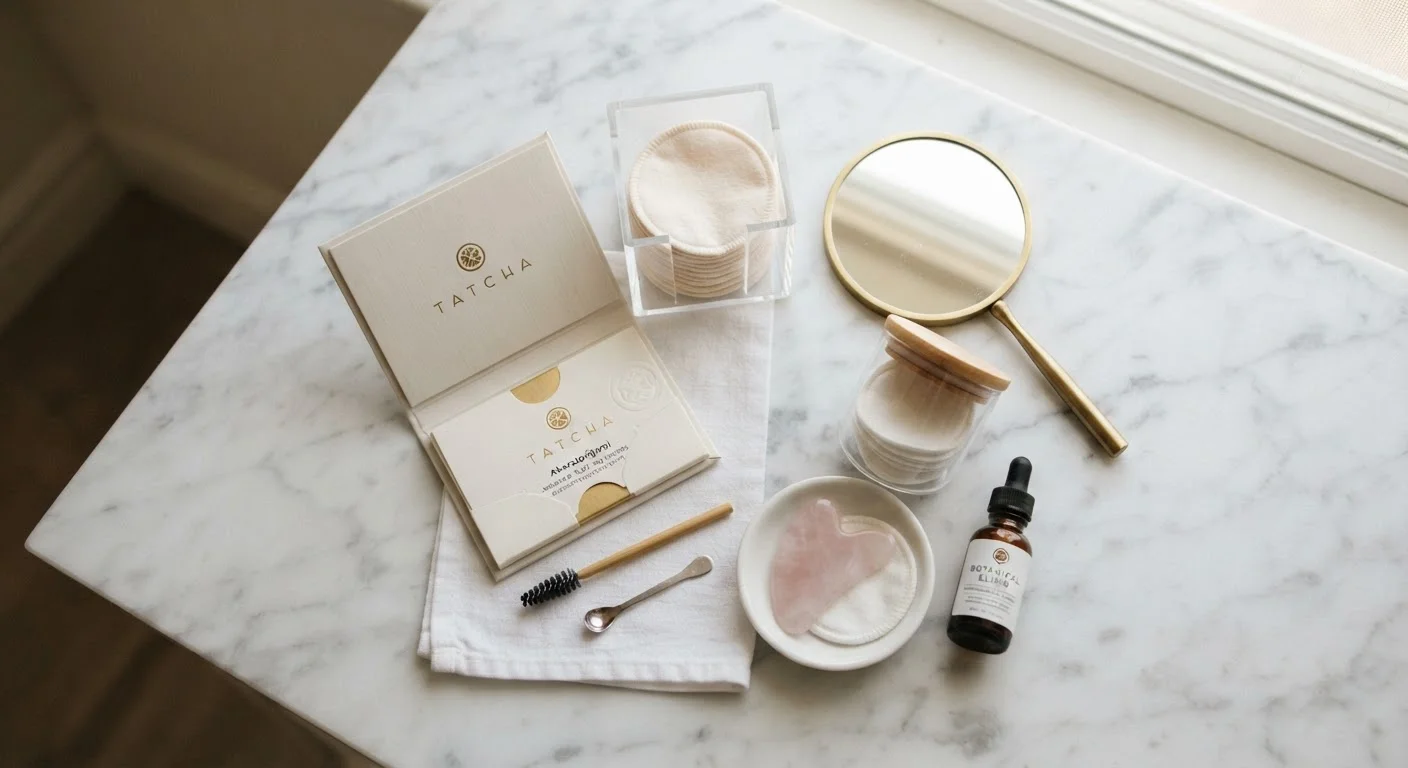
Photo: FaqExplorer.net | Informative Website editorial
Key Takeaways
- The bare-face method is a reliable, low-cost way to assess your skin type at home.
- Skin type and skin condition are different - dehydration can mimic dryness in any type.
- Combination skin is the most commonly misidentified type, leading to mismatched product choices.
- Sensitive skin is a condition that can overlap with any skin type, not a standalone category.
- Hormones, climate, and age can shift your skin type, so periodic reassessment is worthwhile.
Why Identifying Your Skin Type Matters
Choosing a cleanser, moisturizer, or treatment without knowing your skin type is a bit like selecting prescription glasses without an eye exam - you might get lucky, but the odds aren't in your favor. Dermatologists consistently identify misidentified skin type as one of the leading reasons people experience product-related breakouts, chronic dryness, or persistent oiliness despite using products marketed for their concern.
There's an important distinction to make before you begin: skin type refers to your skin's baseline sebum (oil) production and is largely genetic, while skin condition describes transient or treatable states - such as dehydration, inflammation, or post-acne sensitivity. These overlap frequently. For instance, skin that feels tight and flaky after washing may be genuinely dry, or it may simply be dehydrated oily skin stripped of water content. Understanding the difference helps enormously when choosing ingredients. The article Hydration vs. Moisture: Two Different Problems, Two Different Solutions explains this distinction in detail.
The four primary skin types recognized by dermatologists are normal, oily, dry, and combination. Sensitive skin is better understood as a reactivity profile that can accompany any of these types rather than a fifth standalone category.
What You'll Need Before You Start
Accurate skin-type assessment requires a controlled environment - specifically, skin that hasn't been influenced by products, sweat, or environmental exposure for at least an hour. Gather the following before proceeding.
What you will need
Blotting Paper
Pressed gently to different facial zones after the waiting period to reveal sebum distribution visually.
Handheld or Bathroom Mirror
Used to closely inspect skin texture, pore visibility, shine patterns, and any flaking or redness.
Gentle Fragrance-Free Cleanser
Used to wash away existing product, oil, and environmental residue as a neutral starting point for assessment.
Step-by-Step: The Bare-Face Assessment Method
The bare-face method is the approach most commonly recommended by dermatologists for home assessment. It requires no special equipment and gives a reliable baseline reading of how your skin behaves when left entirely to its own devices.
Wash your face with a gentle, fragrance-free cleanser
Use lukewarm water and a mild, non-stripping cleanser. Avoid foaming formulas with sulfates if possible, as these can temporarily alter sebum appearance. Pat - do not rub - your face dry with a clean towel.
Wait 60 to 90 minutes without touching your face
Sit in a room at normal indoor temperature - not in direct sunlight or near a heater. Avoid touching, pressing, or resting your chin in your hands. Normal daily activity is fine; just don't apply anything to your skin.
Examine the T-zone and outer cheek zones separately
Using your mirror and good lighting, inspect these areas independently:
- T-zone: forehead, nose, and chin
- Outer zones: cheeks, jawline, and temples
Look for shine, visible pores, tightness (you'll feel this more than see it), redness, or flaking in each zone.
Note any reactivity symptoms
Beyond shine and texture, pay attention to whether your skin feels itchy, stings, or shows redness without any product contact. These sensations - especially if they appear consistently - indicate elevated skin reactivity, which should factor into every product decision you make going forward.
Record your findings and repeat the test on a second day
A single observation has value, but repeating the bare-face method on a different day - ideally under similar conditions - improves accuracy. Skin varies with hormonal fluctuations, seasonal changes, and stress. A consistent pattern across two or more sessions gives you a much more reliable picture of your baseline type.
Seasonal Skin Type Shifts Are Normal
Understanding What Your Results Mean
Once you've completed the assessment, here's how to interpret the common outcomes:
- Uniformly shine-free, comfortable skin with no tight or flaky areas typically indicates normal skin - well-balanced sebum production with no significant sensitivities.
- Visible shine across the forehead, nose, cheeks, and chin within one to two hours suggests oily skin. Pores are often more visible, and skin may feel thick or congested.
- Persistent tightness, roughness, or visible flaking with little or no shine points toward dry skin. Note: if you feel tight but also see shine in isolated zones, reconsider before concluding dry.
- Shine confined to the T-zone (forehead, nose, chin) while cheeks remain comfortable or slightly tight indicates combination skin - the most frequently misclassified type.
If your skin stings, reddens, or itches noticeably during or after the observation window - even without product contact - this suggests a heightened reactivity profile. Pair this finding with whichever primary type above fits your sebum pattern. When introducing new products to reactive skin, the patch testing guide outlines a safe, methodical approach.
Don't Confuse Dehydration with Dryness
Once you know your type, reading product labels becomes far more meaningful. Our active ingredients glossary breaks down the most common formulation terms and what they're designed to do for each skin type.
This article is for general informational and educational purposes only. It is not a substitute for professional dermatological advice. If you have persistent skin concerns, unusual changes to your skin, or any symptoms that worry you, consult a qualified dermatologist or healthcare provider.
The content on this site is provided for informational purposes only and should not be considered a substitute for professional advice. While we strive to provide accurate and up-to-date information, we make no guarantees regarding its completeness or accuracy. Always consult a qualified professional for advice specific to your circumstances before making any decisions.