
The Language of Hair Products: Humectants, Emollients, Proteins, and Oils

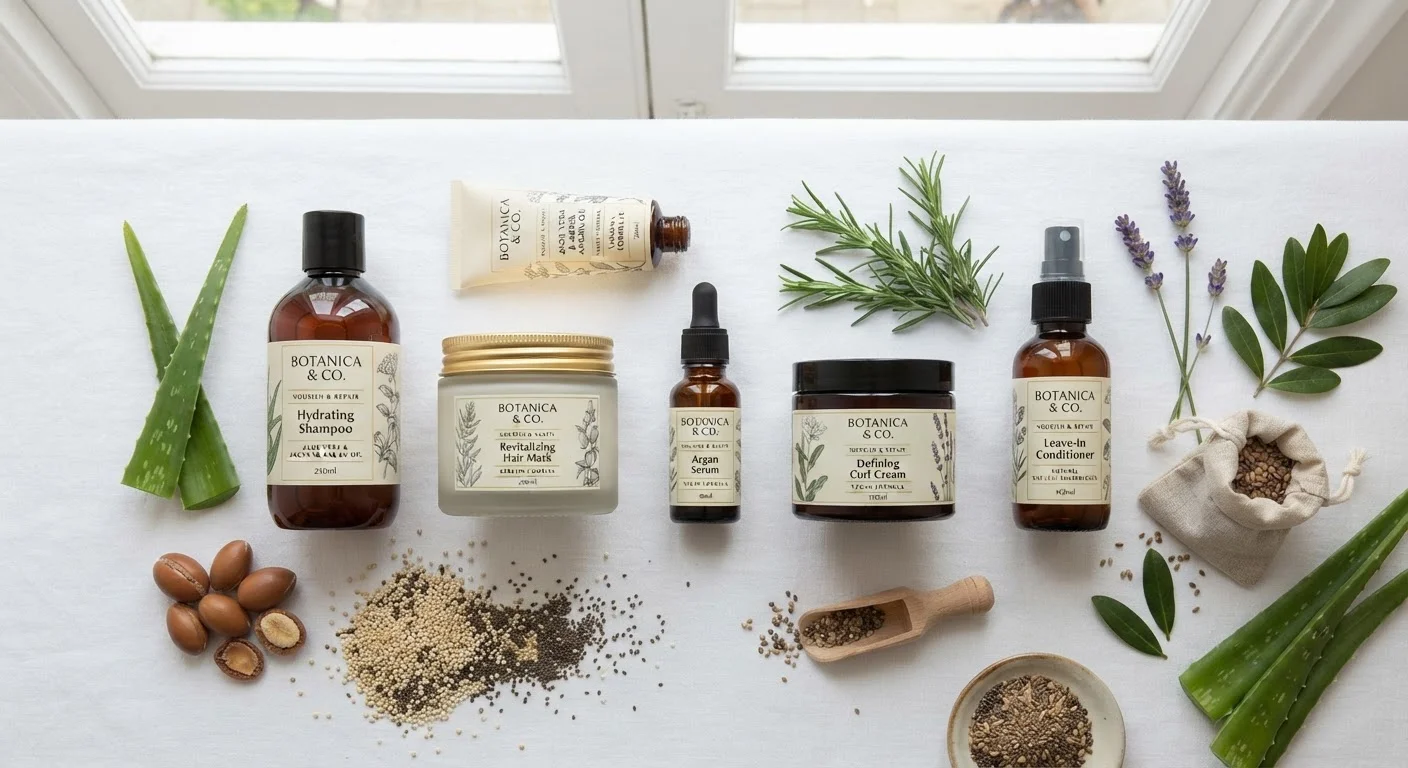
Photo: FaqExplorer.net | Informative Website editorial
Why Ingredient Categories Matter
Most shampoo, conditioner, and styler labels read like chemistry textbooks. But the hundreds of ingredients used in hair care fall into a handful of functional categories - and once you understand what each category does, decoding any new product becomes much more straightforward.
This reference guide defines the four ingredient families you'll encounter most often: humectants, emollients, proteins, and oils. Each plays a distinct role in how a product behaves on your hair and scalp. Knowing the difference helps you select formulations that address your actual needs rather than relying on marketing language alone.
If you've already built a skincare routine, you may recognize some of these concepts - many of the same principles that govern how moisturizers and serums function on skin apply to the hair shaft as well.
Humectant
An ingredient that attracts and binds water molecules, helping hair retain moisture from its environment or from within the strand itself. Examples include glycerin, panthenol, and aloe vera.
Emollient
An ingredient that smooths the hair cuticle and reduces friction between strands. Emollients make hair feel softer and easier to detangle. Examples include cetyl alcohol and shea butter.
Hydrolyzed Protein
A protein that has been broken down into smaller fragments so it can interact with or penetrate the hair shaft. Used to temporarily reinforce and strengthen hair structure.
Hair Cuticle
The outermost layer of the hair shaft, made up of overlapping scales. The cuticle's condition determines how well hair retains moisture and how it responds to products.
Keratin
The fibrous structural protein that makes up the majority of the hair shaft. Many conditioning ingredients aim to supplement or mimic keratin's strengthening function.
Sealant
An ingredient - typically an oil or butter - that sits on the hair surface to reduce moisture loss by forming a protective barrier over the cuticle.
The Four Core Ingredient Categories
Humectants
Humectants are moisture-attracting molecules. They work by drawing water from the surrounding environment - or from deeper layers of the hair shaft - toward the surface, helping strands retain hydration. Common humectants in hair products include glycerin, aloe vera, panthenol (provitamin B5), and hyaluronic acid. Products heavy in humectants can feel especially beneficial in humid climates but may behave differently in very dry air, where there is little environmental moisture to draw in.
Emollients
Emollients coat the hair's outer cuticle layer to smooth and soften it. Unlike humectants, they don't attract water - they seal it in and reduce friction between strands. Ingredients like cetyl alcohol, behentrimonium methosulfate, and shea butter are classic emollients. They're responsible for that slip and detangling ease you notice in a rich conditioner.
Proteins
Hair is primarily composed of a fibrous protein called keratin. When the cuticle is damaged - by heat, chemical processing, or mechanical stress - protein-based ingredients can temporarily fill gaps and reinforce the strand's structure. Common examples include hydrolyzed wheat protein, hydrolyzed keratin, silk amino acids, and collagen. Protein sensitivity varies significantly between individuals: some hair thrives with regular protein treatments, while others become dry and brittle if protein-heavy products are overused. Balance with adequate moisture is key.
Oils
Oils serve multiple roles depending on their molecular size. Lighter oils such as argan, grapeseed, and jojoba can penetrate into the hair cortex to provide internal conditioning. Heavier oils like castor or coconut oil tend to sit on the surface, acting as sealants that lock in moisture and add shine. Oils are neither humectants nor emollients by strict definition, but they can enhance both functions depending on how and when they're applied.
| Primary role of humectants | Attract and bind water molecules |
| Primary role of emollients | Smooth the cuticle and reduce friction |
| Common protein source in hair products | Hydrolyzed wheat, keratin, or silk amino acids |
| Penetrating oils (examples) | Argan, grapeseed, jojoba |
| Sealing oils (examples) | Castor, coconut |
| Hair's primary structural protein | Keratin |
Putting the Categories Together
Most well-formulated hair products contain ingredients from more than one category. A leave-in conditioner, for example, might combine a humectant (glycerin) to attract moisture, an emollient (cetyl alcohol) to smooth the cuticle, and a lightweight oil (argan) to seal. Understanding this interplay lets you layer products more intentionally - for instance, applying a humectant-rich product before an oil-based sealant to trap the moisture in place.
How these ingredients interact with your specific hair is also influenced by its porosity - the degree to which the cuticle opens and allows moisture in or out. Hair porosity determines how products absorb and perform, so the same ingredient profile can produce different results on different hair types.
Reading labels with a category-first lens - rather than chasing individual hero ingredients - gives you a more reliable framework for evaluating products and troubleshooting routines over time.
Ingredient Lists Are in Order of Concentration
The content on this site is provided for informational purposes only and should not be considered a substitute for professional advice. While we strive to provide accurate and up-to-date information, we make no guarantees regarding its completeness or accuracy. Always consult a qualified professional for advice specific to your circumstances before making any decisions.