
Cleansers, Toners, Serums, Moisturizers: What Each Step Actually Does

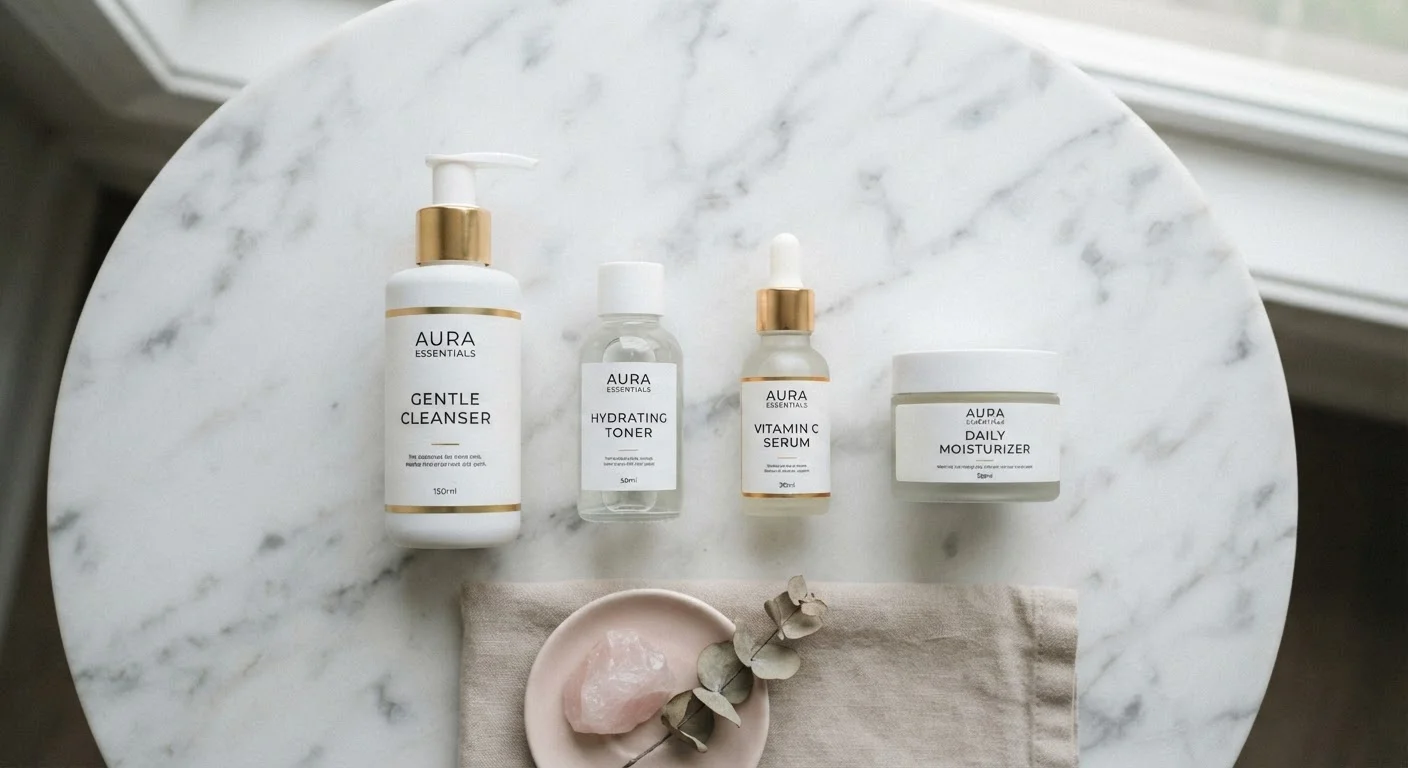
Photo: FaqExplorer.net | Informative Website editorial
Why Product Order and Function Matter
A skincare routine is only as effective as your understanding of what each step does. Layering products without knowing their purpose often means actives can't penetrate, hydration gets blocked, or gentler steps get skipped entirely. This reference breaks down the four foundational product categories - cleansers, toners, serums, and moisturizers - so you know exactly what role each one plays and why sequence matters.
For a practical walkthrough on building a complete routine, see Building a Skincare Routine From the Ground Up.
| Routine sequence | Cleanser → Toner → Serum → Moisturizer → SPF (AM) |
| Cleanser primary function | Remove debris, oil, and environmental residue |
| Toner - optional or required? | Optional; depends on skin type and existing routine |
| Serum typical consistency | Lightweight, water-based; thinner than moisturizer |
| Moisturizer key ingredient types | Humectants, emollients, and occlusives |
| Skin barrier optimal pH range | Approximately 4.5-5.5 (mildly acidic) (Widely cited in dermatology literature) |
Cleansers: The Foundation of Every Routine
Purpose: Remove sebum, environmental pollutants, makeup, sunscreen, and dead skin cells from the surface so that subsequent steps can function properly.
Cleansers work through surfactants - molecules with one water-attracting end and one oil-attracting end - that lift and rinse away debris. Different formulas serve different skin needs: gel and foaming cleansers tend to suit oilier skin, while cream and milk cleansers are less stripping and better suited to dry or sensitive types. Micellar water (tiny oil-in-water micelles that capture impurities) can serve as a gentle first-cleanse option, particularly for removing makeup before a main cleanse.
A key principle: over-cleansing disrupts the skin's natural acid mantle - a slightly acidic film that helps maintain the microbiome and barrier function. Stripping this protective layer can trigger increased oil production or heightened sensitivity.
Double-Cleansing: When and Why
Toners: Balancing, Priming, and Delivering
Purpose: Restore the skin's pH after cleansing, add a first layer of hydration or light actives, and prime skin to better absorb the steps that follow.
Modern toners have evolved significantly from the high-alcohol astringents once marketed for acne-prone skin. Today, most are water-based liquids formulated with humectants like glycerin or hyaluronic acid, soothing agents like niacinamide, or mild exfoliating acids (AHAs/BHAs). Hydrating toners add moisture before a serum; exfoliating toners work on cell turnover and are generally used at most a few times per week, not daily.
If your cleanser maintains a skin-friendly pH and your serum already delivers the actives you need, a toner is optional - not mandatory. Skin type, concern, and the rest of your routine determine whether this step adds genuine value.
Serums: Concentrated Active Delivery
Purpose: Deliver higher concentrations of specific active ingredients to target particular skin concerns - hyperpigmentation, fine lines, dehydration, texture, or uneven tone.
Serums are typically water-based with a thinner consistency than moisturizers, allowing their smaller molecules to penetrate more deeply into the skin's surface layers. Common actives found in serums include vitamin C (an antioxidant that also supports an even complexion), niacinamide (for pore appearance and barrier support), hyaluronic acid (a humectant that draws water into the skin), and retinoids (for cell turnover and firmness). For a detailed breakdown of how these ingredients work, see the Active Ingredients Glossary.
Because serums carry the highest concentration of actives, they are applied after cleansing and toning but before moisturizer - ensuring actives reach the skin before an occlusive layer is added. Retinoids in particular have a strong and growing body of clinical research behind them; Retinoids in Skincare: Separating the Evidence From the Hype explores what the evidence actually supports.
Moisturizers: Sealing and Supporting the Skin Barrier
Purpose: Prevent transepidermal water loss (TEWL), reinforce the skin barrier, and maintain suppleness by combining three ingredient types: humectants, emollients, and occlusives.
Humectants (glycerin, hyaluronic acid) draw water toward the skin's surface. Emollients (fatty acids, ceramides, plant oils) fill gaps between skin cells and soften texture. Occlusives (petrolatum, dimethicone, shea butter) create a physical seal over the surface to slow moisture evaporation. Most moisturizers combine all three in varying ratios - lighter gels lean on humectants, rich creams add more occlusives.
Moisturizer is applied as the penultimate step, after serums and before sunscreen in a morning routine. If you're planning to apply makeup afterward, layering order matters - Skincare Before Makeup explains how sequence affects the way products perform and wear.
Surfactant
A molecule with both water-attracting and oil-attracting ends, used in cleansers to lift and rinse away oil, debris, and impurities from the skin's surface.
Humectant
An ingredient that draws water molecules toward the skin, increasing surface hydration. Common examples include glycerin and hyaluronic acid.
Emollient
An ingredient that fills in gaps between skin cells, softening texture and smoothing the skin's surface. Fatty acids, ceramides, and many plant oils fall into this category.
Occlusive
An ingredient that forms a physical barrier on the skin's surface to reduce transepidermal water loss. Examples include petrolatum, dimethicone, and beeswax.
Acid Mantle
A slightly acidic film on the skin's surface (roughly pH 4.5-5.5) that helps protect against harmful bacteria and maintain the skin's microbiome and barrier integrity.
Transepidermal Water Loss (TEWL)
The passive movement of water through the skin's outer layers into the air. High TEWL is associated with a compromised skin barrier and increased dryness.
Active Ingredient
A component in a skincare formulation with a specific, intended effect on the skin - such as exfoliation, brightening, or cell turnover support.
This article is for general informational purposes only and is not a substitute for advice from a qualified dermatologist or healthcare professional.
The content on this site is provided for informational purposes only and should not be considered a substitute for professional advice. While we strive to provide accurate and up-to-date information, we make no guarantees regarding its completeness or accuracy. Always consult a qualified professional for advice specific to your circumstances before making any decisions.