
Why Your Eyeshadow Keeps Creasing by Noon

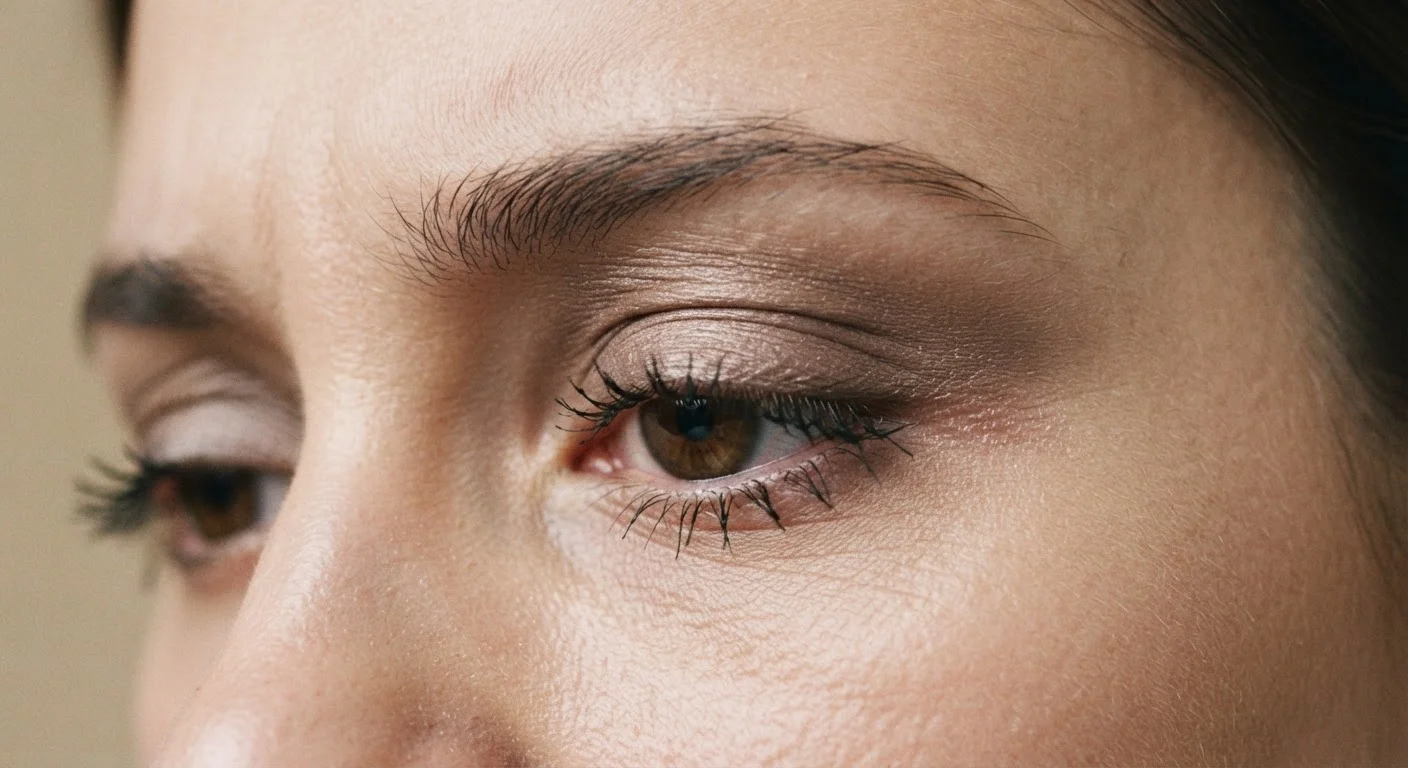
Photo: FaqExplorer.net | Informative Website editorial
Key Takeaways
- Skipping or using the wrong eye primer is the leading cause of eyeshadow creasing.
- Natural oils, moisturizer migration, and excess skincare are major crease triggers.
- Powder-setting your primer before applying eyeshadow dramatically extends wear time.
- Application technique - including layering and blending tools - matters as much as products.
Why Creasing Happens in the First Place
Eyeshadow creasing isn't random - it follows a predictable pattern driven by oil, movement, and moisture. The eyelid skin is among the thinnest on the body and is in near-constant motion. Throughout the day, natural sebum migrates upward from the lash line and orbital area, combining with any skincare residue left on the lid. When pigment sits on this shifting, oily surface without a gripping base, it folds into the crease of the eye and stays there.
Understanding this mechanism is what makes the fixes work. If you've ever blamed your eyeshadow formula when the real issue was your prep routine, you're not alone - and you're in the right place. Whether you're just getting started or refining your technique, see our beginner's makeup guide for a fuller picture of building a lasting routine.
Skipping eye primer entirely and applying eyeshadow directly to bare or moisturized skin.
Applying eye cream or moisturizer all the way up to the lash line right before makeup.
Not setting eye primer with a layer of translucent powder before applying eyeshadow.
Over-blending eyeshadow until the product is thin and sheered out across the lid.
Using a face setting spray or skipping setting spray altogether after completing eye makeup.
The Role of Skincare in Eyeshadow Wear
Many people don't connect their skincare routine to eyeshadow performance, but the two are tightly linked. Moisturizer, eye cream, and SPF that haven't fully absorbed or have been applied too close to the lash line create a slick film on the lid - exactly the surface eyeshadow can't grip. Even a thin layer of residue from a rich formula is enough to break down pigment adhesion within a couple of hours.
~0.5 mm
Average eyelid skin thickness
Dermatological references consistently describe eyelid skin as among the thinnest on the human body, making it especially prone to oil migration and product breakdown.
10,000+
Eyelid blinks per day on average
Research on blink rates estimates the average adult blinks between 10,000 and 20,000 times daily, creating continuous movement that accelerates eyeshadow wear-down.
The sequencing of your skincare also plays a role. Layering products in the wrong order can leave heavier formulas sitting on top of the skin rather than absorbing into it. For a detailed breakdown of how product order affects makeup performance, the article on skincare before makeup layering covers exactly this. As a general rule, allow all skincare - particularly anything with silicone, oil, or occlusive ingredients - to fully absorb before applying any eye makeup.
Avoid Applying Products to Irritated or Broken Skin
How to Build a Crease-Resistant Eye Look
Once you understand what's going wrong, the correction is straightforward. The core strategy is giving your eyeshadow a dry, gripping base, then sealing and layering in a way that minimizes movement throughout the day.
- Prep the lid: After skincare has fully absorbed, gently blot the eyelid with a clean tissue or a small amount of translucent powder before primer. This removes surface oils without stripping the skin.
- Apply eye primer: Use a dedicated eye primer - not a face primer - across the entire lid, from lash line to brow bone. Blend with a fingertip or flat brush. Let it set for 30 to 60 seconds.
- Set the primer with powder: Before applying any eyeshadow, lightly dust translucent or skin-toned setting powder over the primed lid. This step is what most people skip, and it's one of the most effective for extending wear.
- Layer strategically: Start with a matte transition shade packed onto the lid first, then build depth. Matte formulas generally crease less than shimmers, which can be added on top once the base is set.
- Set the finished look: A light mist of setting spray over closed eyes adds a final layer of longevity, helping blend powders together into a more skin-like, flexible finish that resists creasing.
With consistent technique, most people see a significant improvement in eyeshadow wear time - without switching to a new product.
The content on this site is provided for informational purposes only and should not be considered a substitute for professional advice. While we strive to provide accurate and up-to-date information, we make no guarantees regarding its completeness or accuracy. Always consult a qualified professional for advice specific to your circumstances before making any decisions.