
Makeup for Beginners: Your First 30 Days of Building Skills

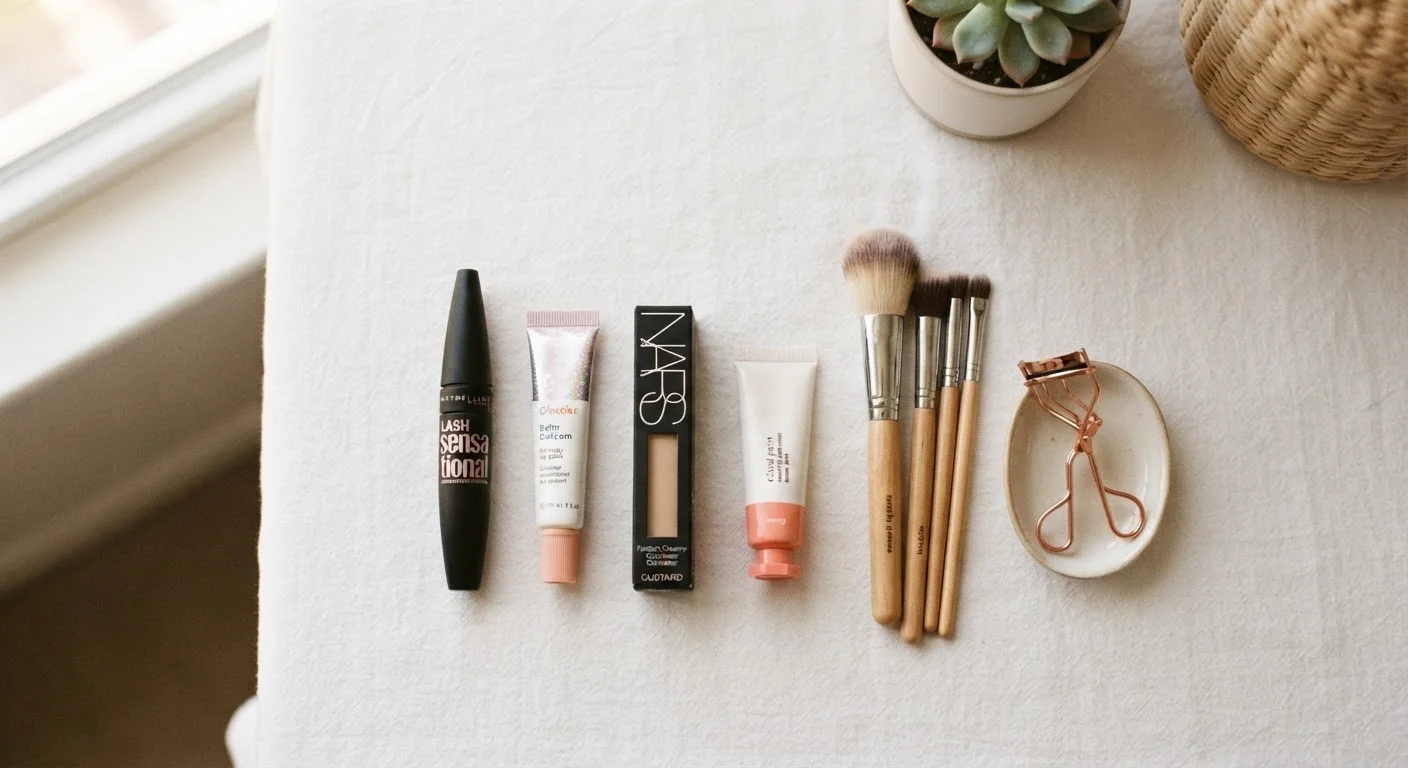
Photo: FaqExplorer.net | Informative Website editorial
Key Takeaways
- Skin prep - moisturizer and SPF - directly affects how makeup applies and lasts.
- Learning one product category per week prevents overwhelm and builds real muscle memory.
- You don't need many products to start; a short, consistent routine beats a large unused collection.
- Blending is the single skill that separates awkward results from natural-looking ones.
- Mistakes are part of practice - no first attempt looks like a tutorial, and that's normal.
Why a 30-Day Framework Works for Beginners
Learning makeup all at once is one of the most common mistakes new beginners make. Watching a full glam tutorial and then trying to replicate every step on day one leads to frustration, not skill. A structured 30-day approach solves this by isolating one product category per week, giving you time to build genuine comfort before layering on complexity.
The framework mirrors how professionals actually learned - through repetition of small techniques, not overnight transformation. Each week targets a distinct skill, so by day 30 you have real muscle memory rather than a pile of half-used products and self-doubt.
Practice on Low-Stakes Days First
This approach also keeps spending manageable. If you're thinking carefully about how beauty fits into your overall spending, our guide to building your first monthly budget can help you set a realistic beauty allowance from the start.
Week 1: Skin Prep and the Foundation of Everything
Before any makeup touches your face, your skin needs to be ready to receive it. Days 1-7 focus entirely on this foundation layer: cleansing, moisturizing, and applying SPF. Skipping this step is why many beginners find their makeup looks patchy or fades unevenly within hours.
Tinted moisturizer
A lightweight, sheer product that hydrates skin while adding a hint of color to even out tone - easier to apply than full foundation and ideal for beginners.
Concealer
A higher-coverage product used to cover specific spots, dark circles, or redness, typically applied after foundation or tinted moisturizer.
Primer
A product applied after skincare and before makeup that helps makeup adhere to skin and last longer throughout the day.
Blending
The technique of softening the edges of any powder or cream product so it transitions smoothly into surrounding skin with no harsh lines.
Setting powder
A translucent or lightly pigmented powder pressed or dusted over liquid makeup to reduce shine and help it stay in place longer.
Practice applying a lightweight moisturizer followed by an SPF product each morning this week - no makeup yet. Get comfortable with how your skin feels when it's properly hydrated. On days 5 and 6, introduce a tinted moisturizer or a light-coverage foundation over your prep, and observe how it sits compared to bare skin. The difference is instructive. For the precise layering sequence - and why order matters - see our article on skincare before makeup.
Week 2: Eyes, Brows, and Learning Precision
Eyes and brows are where most beginners feel the most intimidated - and where patience pays off fastest. Days 8-14 introduce three tools: a brow pencil or powder, a neutral eyeshadow palette, and mascara.
Start with brows on days 8-10. Use short, hair-like strokes to fill sparse areas rather than drawing a solid line. Brows frame everything else on your face, so even modest improvement here creates a noticeable overall effect. Days 11-13 introduce a single neutral eyeshadow shade applied to the lid and blended toward the crease with a fluffy brush. Blending - moving color in small circular motions so there are no hard edges - is the core skill of this entire week. On day 14, add mascara as your finishing step, wiggling the wand from root to tip.
If your eyeshadow fades or creases before the day is out, that's usually a prep issue. Our article on why eyeshadow creases by noon walks through the exact causes and solutions.
Week 3: Blush, Bronzer, and Bringing Color to Life
By week three, you have a working base and defined eyes. Days 15-21 add dimension with blush and, optionally, bronzer. These products teach you about placement and how light interacts with your face shape - skills that level up everything else you've already learned.
Blush goes on the apples of the cheeks (the round part that puffs up when you smile), blended upward toward the temples. Use a large, fluffy brush and tap off excess product before applying - a light hand is always easier to build on than it is to undo. Bronzer, if you choose to include it, goes where the sun would naturally hit: the forehead perimeter, nose bridge, and cheekbones. Blend thoroughly. Practice applying and then stepping back from the mirror to evaluate the full effect - close-up application often exaggerates what looks perfectly natural from a normal viewing distance.
Week 4: Putting It All Together
Days 22-30 are about combining everything you've practiced into a complete routine. The goal isn't perfection - it's flow. Time yourself: most everyday looks, once practiced, should take 10-15 minutes. If it's taking longer, identify the step slowing you down and give it focused practice.
This week, experiment with lip color for the first time if you haven't already. Start with a tinted lip balm or a nude shade close to your natural lip color - both are forgiving and require no liner to look intentional. Also use this week to review what you genuinely enjoy wearing versus what felt like effort without reward. Makeup should fit your life. If a minimal routine is what resonates, our article on building a minimal makeup routine offers a practical framework for paring back thoughtfully.
Tools, Budget, and Setting Realistic Expectations
You don't need a professional kit to practice effectively. A handful of brushes - a flat foundation brush or sponge, a fluffy powder brush, and a blending eyeshadow brush - covers most beginner techniques. Clean brushes weekly with a gentle soap; dirty tools compromise application and can irritate skin.
On cost: price does not always equal performance. The gap between accessible and premium products varies significantly by category. Our drugstore vs. department store makeup breakdown explains where spending more genuinely matters and where it typically doesn't. For broader skincare knowledge that supports your makeup results, the Skincare Basics hub is a strong companion resource.
Don't Compare Your Day 1 to Someone's Year 5
Finally: expect your first attempts to look imperfect. That is not failure - it is literally how skill develops. Every technique in this guide improves with repetition, and day 30 will look meaningfully different from day 1 if you practice consistently.
This article is for informational and educational purposes only. Product suitability can vary by skin type and individual factors. If you have a skin condition or sensitivity, consult a qualified dermatologist before introducing new products.
Frequently Asked Questions
The content on this site is provided for informational purposes only and should not be considered a substitute for professional advice. While we strive to provide accurate and up-to-date information, we make no guarantees regarding its completeness or accuracy. Always consult a qualified professional for advice specific to your circumstances before making any decisions.