
Retinoids in Skincare: Separating the Evidence From the Hype

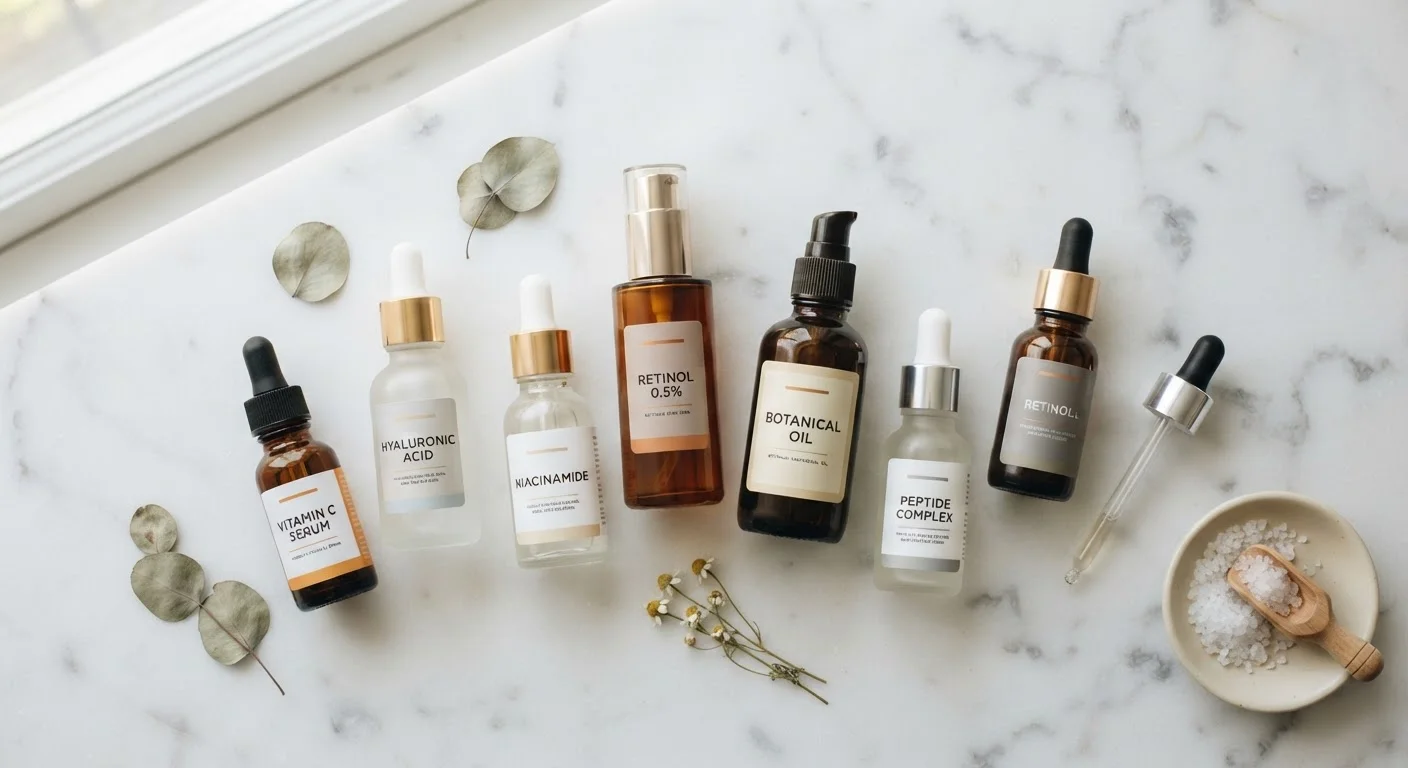
Photo: FaqExplorer.net | Informative Website editorial
Key Takeaways
- Tretinoin is the prescription form of retinoic acid and has the strongest research backing for anti-aging and acne.
- Over-the-counter retinol must convert to retinoic acid in the skin, making it slower-acting but generally better tolerated.
- Most users experience an initial adjustment period - dryness, flaking, and sensitivity - before skin adapts.
- Consistent, correctly applied use over several months is required before meaningful skin changes become visible.
- Sunscreen use during the day is essential when incorporating any retinoid into a routine.
- Pregnant individuals should avoid retinoids entirely and consult a healthcare provider about safe alternatives.
How Retinoids Actually Work
Retinoids bind to nuclear receptors inside skin cells called retinoic acid receptors (RARs). This binding influences gene expression - essentially changing the instructions skin cells follow for growth, differentiation, and shedding. The practical results include accelerated cell turnover, increased collagen synthesis, and normalization of the way pores shed dead cells, which is why retinoids are useful for both acne and the visible signs of skin aging.
The key distinction within the retinoid family is potency and conversion steps. Tretinoin is already retinoic acid, acting immediately on receptors. Retinol and retinal (retinaldehyde) are precursor forms that require one or two enzymatic conversion steps before they can do the same thing. More conversion steps generally mean gentler but slower results. For a broader look at how active ingredients compare, see the active ingredients glossary for quick-reference breakdowns.
What the Evidence Actually Supports
Tretinoin has the most robust clinical evidence of any topical anti-aging ingredient. Decades of peer-reviewed research show it can reduce fine lines, improve skin texture, fade post-acne marks, and increase dermal collagen density. It is also an FDA-approved treatment for acne.
Retinol has meaningful but more limited research behind it. Studies consistently show it improves skin texture and reduces the appearance of fine lines with regular use over several months - though effects are more modest than tretinoin at comparable timeframes. Retinal (retinaldehyde) is less studied but shows promise in smaller trials, sitting one conversion step closer to retinoic acid than retinol.
40+ years
Length of tretinoin's clinical research record
Tretinoin has been studied in peer-reviewed dermatology research since the 1970s, giving it one of the longest evidence trails of any topical skincare ingredient.
12 weeks
Minimum timeframe before evaluating results
Dermatologists generally advise patients to use a retinoid consistently for at least three months before assessing whether it is producing visible improvements.
~20x
Relative potency of tretinoin vs. retinol
Research comparing equivalent concentrations suggests tretinoin is significantly more potent than retinol, largely because it requires no enzymatic conversion steps in the skin.
Where the hype outpaces the evidence is in marketing language. Terms like "retinol alternative" or "natural retinol" often refer to ingredients such as bakuchiol, which has some early positive data but cannot yet claim equivalence to well-studied retinoids. As with broader skincare claims, it's worth checking whether assertions are backed by clinical trials or just compelling copy - a habit explored further in common skincare myths.
Starting a Retinoid: Setting Realistic Expectations
The most common mistake new retinoid users make is starting too aggressively. Beginning with a lower concentration two to three nights per week - rather than nightly - gives skin time to build tolerance and significantly reduces the severity of the adjustment period. Applying to dry skin (waiting 20-30 minutes after cleansing) can also help minimize irritation, as moisture accelerates absorption and can intensify initial reactions.
The 'Less Is More' Rule for New Users
Moisturizer application after the retinoid - or sandwiching it between two layers of moisturizer - is a widely used approach to buffer irritation without eliminating efficacy. Understanding how each product in your routine fits together is important; the guide to cleansers, toners, serums, and moisturizers can help you see where a retinoid lands in your sequence.
Before committing a retinoid to your full face, consider a patch test - especially if your skin is reactive. The patch testing walkthrough explains exactly how to do this in a few minutes.
This article is for informational purposes only and is not a substitute for professional medical or dermatological advice. Consult a qualified healthcare provider before starting any new skincare treatment, especially if you are pregnant, breastfeeding, or managing a skin condition.
Frequently Asked Questions
The content on this site is provided for informational purposes only and should not be considered a substitute for professional advice. While we strive to provide accurate and up-to-date information, we make no guarantees regarding its completeness or accuracy. Always consult a qualified professional for advice specific to your circumstances before making any decisions.