
What to Know Before Taking Any Wellness Supplement

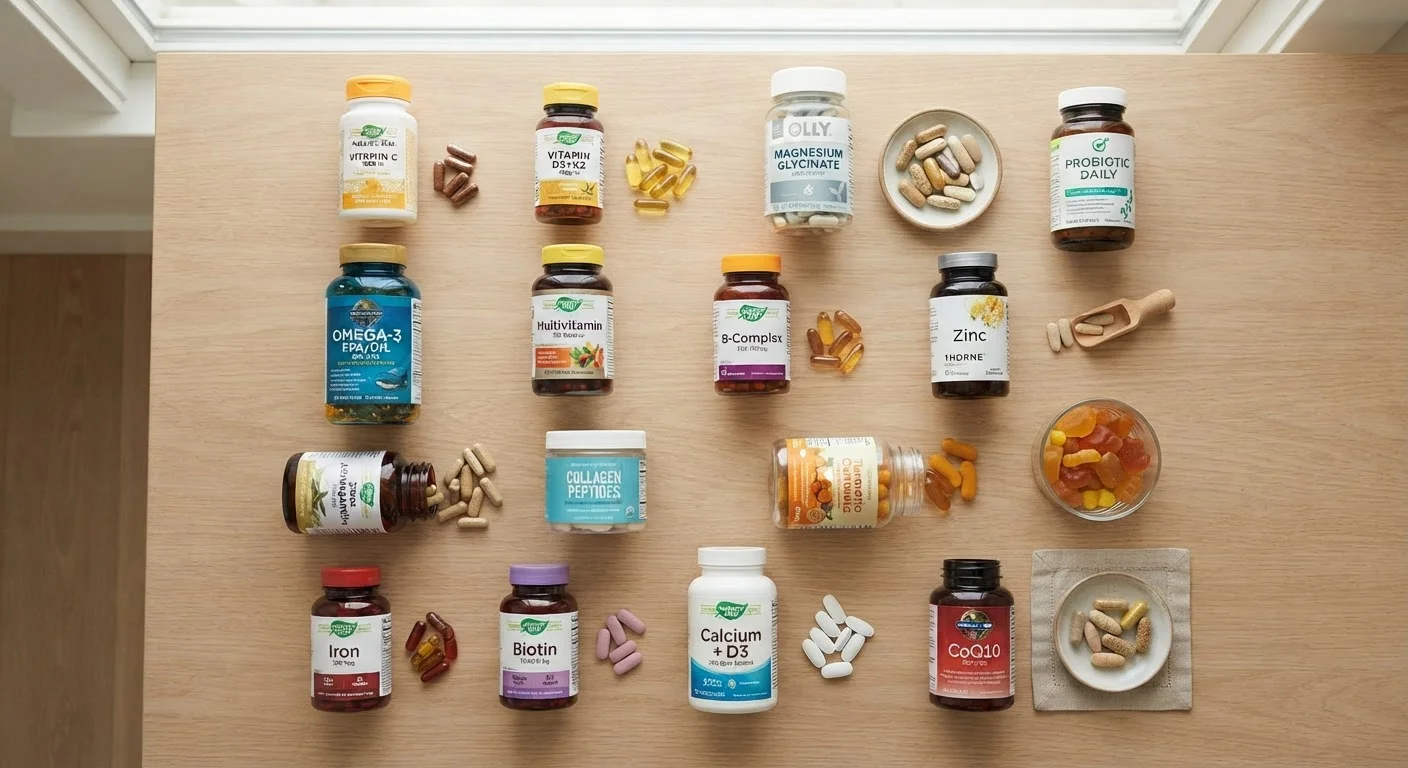
Photo: FaqExplorer.net | Informative Website editorial
Key Takeaways
- Dietary supplements are not FDA-approved for safety or efficacy before they reach store shelves.
- Always consult a qualified healthcare provider before starting any new supplement.
- Third-party testing seals can indicate a product has been independently verified for quality.
- Supplements can interact with prescription medications and existing health conditions.
- Marketing claims on supplement labels are not the same as proven medical benefits.
Why Supplements Deserve Extra Scrutiny
Wellness supplements - from vitamins and minerals to herbal blends and protein powders - are everywhere. The U.S. supplement market includes tens of thousands of products, and many Americans take at least one regularly. Yet unlike prescription drugs, dietary supplements are not required to undergo FDA review for safety or effectiveness before they are sold. Manufacturers are responsible for ensuring their products are safe, but pre-market approval is not part of the process.
That regulatory gap means the burden of evaluation falls largely on the consumer. Understanding what to look for, what to ask, and when to involve a healthcare professional can help you make more informed decisions - without being swayed purely by label promises. This checklist is a starting framework, not a substitute for personalized medical guidance.
If you're also working on broader wellness habits, our guide on what holistic wellness actually means offers useful context on how supplements fit into a larger picture of health.
Supplements Are Not FDA-Approved Before Sale
Tools and Resources to Have Ready
Before working through this checklist, gather the following resources. Having them on hand makes each step more thorough and reduces the chance of overlooking something important.
NIH Office of Dietary Supplements Fact Sheets
Provides science-based overviews of individual vitamins, minerals, and herbal supplements, including known safety information.
Your pharmacist or healthcare provider
The most important resource for reviewing interactions and determining whether a supplement is appropriate for your specific situation.
Current medication and supplement list
A written record of everything you currently take, used to check for potential interactions and duplications.
Third-party verification lookup (USP, NSF International, ConsumerLab)
Allows you to verify whether a specific product has passed independent quality and purity testing.
FDA MedWatch Reporting Portal
Used to report serious adverse events or unexpected side effects associated with dietary supplements.
Your Pre-Supplement Checklist
Work through these items in order. The first group focuses on self-assessment and professional input - steps that should happen before you research any specific product. Later groups address label evaluation and ongoing monitoring.
Before You Shop
Evaluating the Label
Checking for Interactions and Safety
Ongoing Monitoring
Marketing Language Is Not Medical Evidence
Once you've addressed your supplement questions, the same careful, checklist-based approach applies to other wellness areas. See our pre-exercise planning checklist and our guide to grocery shopping with nutrition in mind for practical tools that complement a supplement review.
The content on this site is provided for informational purposes only and should not be considered a substitute for professional advice. While we strive to provide accurate and up-to-date information, we make no guarantees regarding its completeness or accuracy. Always consult a qualified professional for advice specific to your circumstances before making any decisions.