
Fitness & Movement

What to Consider Before Starting a New Exercise Routine

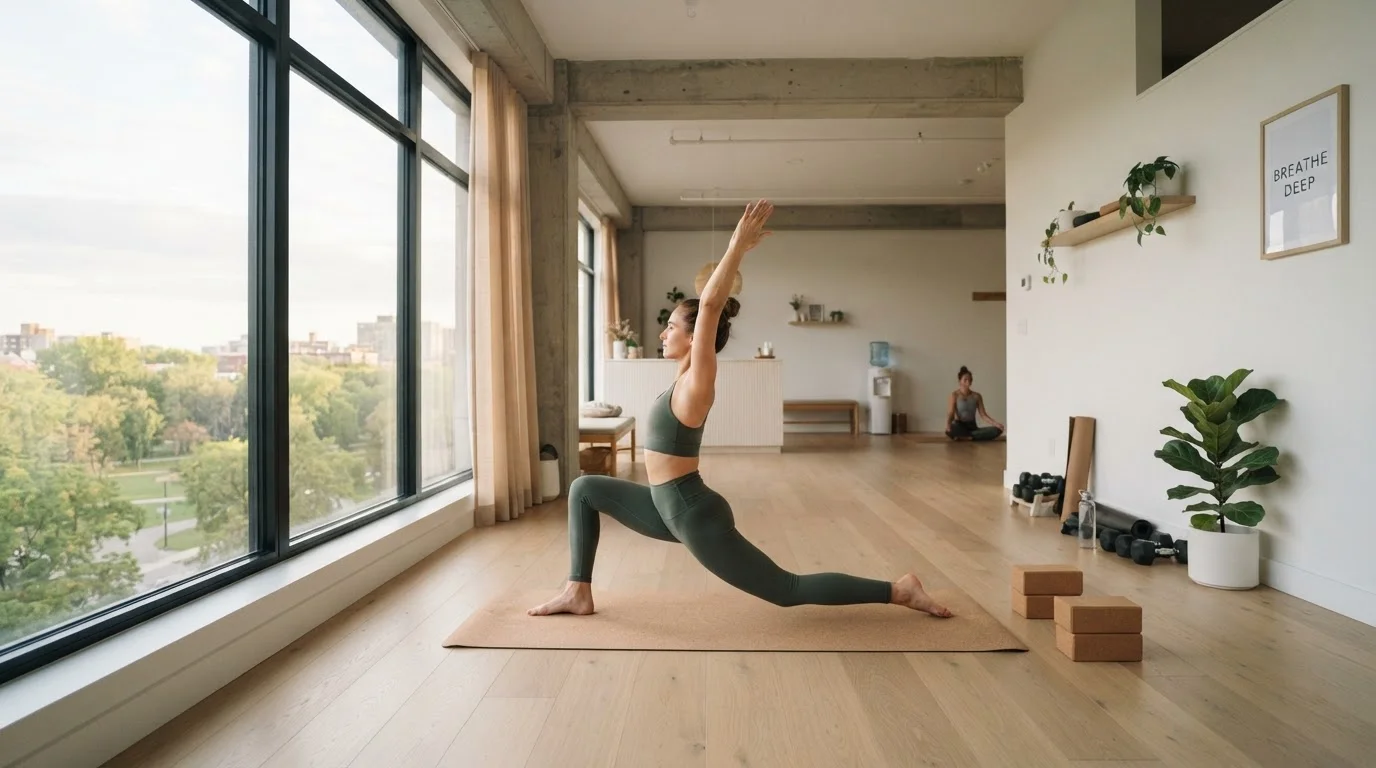
What to Consider Before Starting a New Exercise Routine

Photo: FaqExplorer.net | Informative Website editorial

A practical pre-exercise checklist covering health considerations, scheduling, equipment needs, and goal setting to set yourself up to succeed.

Key Takeaways

  • Checking in with a healthcare provider before starting is especially important if you have an existing health condition.
  • Clear, realistic goals make it easier to stay consistent and measure progress over time.
  • Scheduling workouts like appointments dramatically improves follow-through for beginners.
  • The right equipment and environment reduce friction that causes people to quit early.
  • Nutrition and recovery are as important as the exercise sessions themselves.

Why Preparation Is the Real First Step

Most fitness restarts stall not because of lack of willpower, but because of missing groundwork. Before committing to any workout schedule, taking time to honestly assess your health, goals, and lifestyle gives you a roadmap instead of a vague intention. This checklist is designed to help you identify what you actually need — not prescribe what you should do. If you've attempted a routine before and struggled to maintain it, you may also find value in our deeper look at why movement habits fail and how to fix that.

Use each item below as a prompt for reflection or action. Not every item will apply equally to every person, and that's by design.

Stop and Seek Help for These Symptoms

If you experience chest pain, shortness of breath disproportionate to your effort, dizziness, heart palpitations, or sudden severe pain during or after exercise, stop activity immediately and contact a healthcare provider or emergency services. These symptoms should never be dismissed as normal workout discomfort.

Tools and Resources You May Need

You don't need an elaborate setup to start exercising, but a few practical tools can lower the barrier to getting started and help you stay on track.

Required

Supportive athletic footwear

Proper footwear matched to your activity type helps protect joints and reduce injury risk from the very first session.

Required

Exercise journal or tracking app

Recording sessions, effort levels, and how you feel helps you spot progress and stay accountable without relying on memory.

Optional

Resistance bands or light dumbbells

Versatile, low-cost tools that allow strength-based workouts at home without requiring a gym membership.

Optional

Foam roller or stretching mat

Supports warm-up and recovery routines that reduce soreness and improve movement quality over time.

Required

Water bottle

Keeping hydration accessible during exercise encourages consistent fluid intake throughout each session.

Your Pre-Exercise Checklist

Work through the groups below at your own pace. The checklist covers health considerations, goal setting, scheduling, equipment, and recovery — the five areas most likely to determine whether a new routine becomes a lasting habit.

Health & Medical Readiness

Schedule a check-in with your primary care provider if you have a chronic condition, a history of heart disease, joint problems, or haven't exercised in more than a year. Must
Review any current medications with your provider to understand how they may interact with increased physical exertion. Must
Note any recurring pain, injuries, or physical limitations that should shape the type or intensity of activity you choose. Must
Understand your baseline resting heart rate and blood pressure if cardiovascular health is a concern — your provider can help interpret these numbers. Should

Goal Setting & Motivation

Write down one to three specific, realistic goals — such as improving energy levels, building strength, or managing stress — rather than vague intentions like 'get fit.' Must
Identify your primary motivation and connect it to something personally meaningful, which research suggests improves long-term adherence. Should
Decide how you will track progress — a journal, app, or simple calendar check-marks — so you can observe improvement over time. Should
Set a realistic timeline for reassessment rather than expecting immediate visible results. Nice to have

Scheduling & Consistency Planning

Block specific time slots in your weekly calendar for exercise and treat them as non-negotiable appointments. Must
Start with a frequency you can genuinely sustain — two to three sessions per week is often more effective for beginners than attempting daily workouts. Must
Identify potential scheduling conflicts in advance — work demands, family commitments, or seasonal changes — and plan brief alternatives for those weeks. Should
Choose a consistent time of day that aligns with your natural energy levels and existing schedule anchors. Nice to have

Equipment & Environment

Assess whether you need supportive, activity-appropriate footwear and replace worn-out shoes before starting to reduce injury risk. Must
Identify a suitable exercise environment — a gym, a park, your living room, or a community center — and confirm it's accessible and practical for your schedule. Must
Gather any minimal equipment your chosen activity requires and verify it's in safe working condition. Should

Recovery & Sustainability

Plan for at least one to two full rest days per week to allow your body to adapt to new physical demands. Must
Prioritize consistent sleep — poor sleep significantly undermines physical recovery and motivation to exercise. Must
Hydrate adequately before, during, and after sessions, adjusting for activity intensity and climate. Should

Once your physical routine is underway, consider pairing it with smart nutritional habits. Our guide on foundational nutrition for fitness beginners walks through the basics without requiring a strict diet plan. Similarly, if you're curious about supplements, read what to know before taking any wellness supplement before adding anything to your routine.

Special Populations Need Extra Guidance

If you are pregnant, postpartum, over age 65, managing a chronic illness, or recovering from surgery or injury, general exercise guidance may not apply safely to your situation. Please consult a qualified healthcare professional — such as your physician or a physical therapist — before beginning any new physical activity program. Tailored guidance from a professional is not optional in these cases.

This article is for general informational and educational purposes only and is not a substitute for medical advice. Always consult a qualified healthcare professional before beginning a new exercise program, particularly if you have any existing health conditions, injuries, or concerns.

Health & Wellness Editorial Team

FaqExplorer.net | Informative Website

Health & Wellness Editorial Team is the collective byline for our editorial team and contributor network. Articles published under this byline or an editorial pen name are researched, written, and reviewed according to our editorial standards for clarity, consistency, and independence before publication.

Nutrition BasicsFitness & MovementMental Wellness
View author profile

The content on this site is provided for informational purposes only and should not be considered a substitute for professional advice. While we strive to provide accurate and up-to-date information, we make no guarantees regarding its completeness or accuracy. Always consult a qualified professional for advice specific to your circumstances before making any decisions.