
Grocery Shopping with Nutrition in Mind: A Practical Checklist

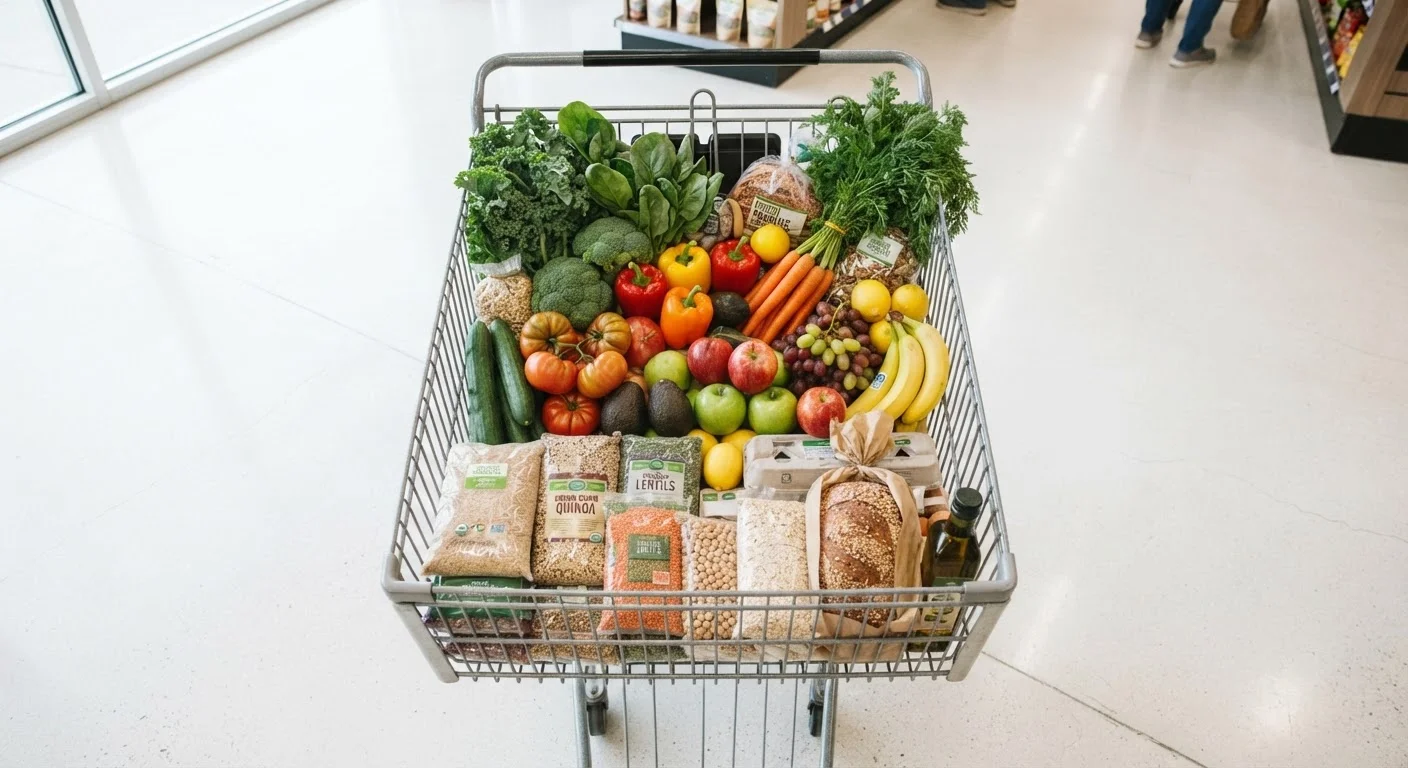
Photo: FaqExplorer.net | Informative Website editorial
Key Takeaways
- Planning your list around whole, minimally processed foods makes it easier to eat a balanced diet.
- Understanding how to read a nutrition label helps you compare products quickly and confidently.
- Limiting added sugars, sodium, and saturated fats is a widely supported dietary recommendation.
- Shopping the store's perimeter tends to put more whole foods within reach.
- Even small, consistent improvements to your grocery habits can support long-term health.
Why a Nutrition-Focused Grocery Checklist Helps
The average supermarket stocks tens of thousands of products, many of them designed to attract attention rather than support health. Walking in with a clear, evidence-based framework helps you cut through marketing language and make choices aligned with sound dietary principles.
This checklist is organized around the steps most shoppers encounter - from pre-trip planning to reading labels in the aisle. It draws on broadly accepted dietary guidance rather than any single diet trend. Use it as a reference tool you return to, not a rigid rulebook.
For a deeper dive into what each section of a product label actually means, see our companion piece on reading a nutrition label without getting lost in the numbers.
This Checklist Is General Guidance Only
Before You Leave the House
Preparation is the most underrated part of nutritious grocery shopping. A few minutes of planning before you head to the store can significantly reduce impulse purchases and last-minute decisions.
Pre-Trip Planning
Produce & Whole Foods
Protein Sources
Reading Labels in the Aisle
Items to Limit
One habit worth building: review what you already have at home before writing your list. Reducing food waste and keeping a stocked pantry of staples - whole grains, legumes, canned fish, olive oil - means you always have a nutritious base to build meals from.
Navigating the Store and Reading Labels
The physical layout of most supermarkets places processed, shelf-stable products in the central aisles and whole foods - produce, dairy, meat, fish - around the perimeter. That's a useful heuristic, though not an absolute rule.
When you do pick up a packaged product, the nutrition facts panel is your most reliable guide. Pay particular attention to serving size (the basis for all other numbers), added sugars, sodium, saturated fat, and fiber. If you're unsure how added sugars differ from the naturally occurring kind, our article on added sugars vs. natural sugars explains the distinction and why it matters in a dietary context.
Ingredient lists are equally informative. Ingredients are listed by weight in descending order, so whatever appears first is present in the greatest amount. A short ingredient list with recognizable items is generally a positive signal - though it isn't the only factor to weigh.
Nutrition Facts Panel
The federally mandated label on packaged foods - use it to compare serving size, added sugars, sodium, fiber, and fat across products.
Ingredient List
Reveals what a product is actually made of, listed in descending order by weight - useful for spotting hidden sugars or highly processed components.
Smartphone Calculator or Notes App
Helpful for quickly totaling nutritional values or keeping a running grocery list organized by store section.
Reusable Bags
Practical for carrying produce and bulk items; keeping them sorted by food type can reinforce a structured shopping routine.
If you take dietary supplements alongside your grocery habits, it's worth understanding what you're actually consuming. Our guide on what to know before taking any wellness supplement outlines key questions to ask - and why consulting a healthcare provider first is an important step.
This article is for general informational and educational purposes only and is not a substitute for personalized nutrition or medical advice. Consult a registered dietitian or qualified healthcare professional before making significant changes to your diet, especially if you have an underlying health condition.
The content on this site is provided for informational purposes only and should not be considered a substitute for professional advice. While we strive to provide accurate and up-to-date information, we make no guarantees regarding its completeness or accuracy. Always consult a qualified professional for advice specific to your circumstances before making any decisions.