
Leasing vs. Buying a Car: What Changes Over Time

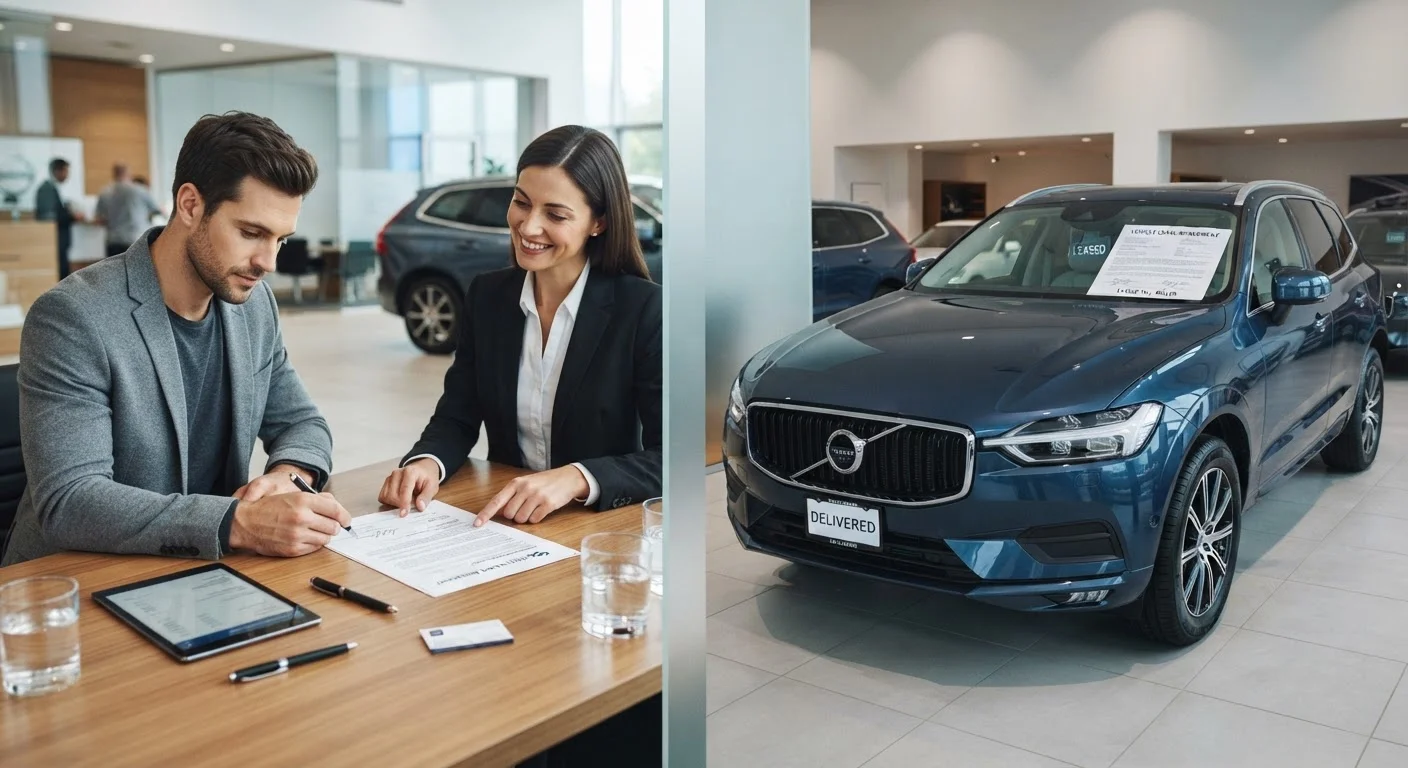
Photo: FaqExplorer.net | Informative Website editorial
Key Takeaways
- Leasing typically offers lower monthly payments but builds no ownership equity.
- Buying costs more upfront but eliminates payments once the loan is paid off.
- Mileage limits and wear-and-tear fees can make leasing expensive for high-mileage drivers.
- After three to five years, the financial gap between leasing and buying often widens significantly.
- Your driving habits, financial goals, and tolerance for commitment should drive the decision.
How Each Option Works in the First Few Years
In the early stages, leasing and buying can look deceptively similar - you're making monthly payments and driving a car. The structural difference, however, is significant. When you lease, you're paying for the vehicle's depreciation during the lease term, plus interest (called the money factor) and fees. You don't own the car; you're renting its use for a set period, typically 24 to 36 months.
When you finance a purchase, each payment reduces the loan principal and builds equity in the vehicle. You'll pay more per month for the same model compared to leasing, but that payment is moving you toward full ownership.
For most drivers, lease payments run noticeably lower than loan payments on an equivalent vehicle. That difference can free up monthly cash flow - but it doesn't translate into any asset at the end of the term. See our detailed breakdown of buying vs. leasing for how cost structures compare side by side.
| Criterion | Leasing | Buying |
|---|---|---|
| Monthly Payment | Generally lower | Generally higher |
| Upfront Costs | Lower (drive-off fees) | Higher (down payment) |
| Ownership Equity | None | Builds over time |
| Mileage Restrictions | Yes - overage fees apply | No restrictions |
| Modification Freedom | Very limited | Unrestricted |
| End-of-Term Outcome | Return or buyout | Own outright |
| Long-Term Cost (5+ years) | Higher if continually cycling | Lower once loan is paid off |
| Early Exit Flexibility | Costly and complex | Sell or trade anytime |
What Happens After the Lease or Loan Ends
This is where the long-term math diverges sharply. When a lease ends, you return the car, potentially pay end-of-lease fees, and start the cycle over - often with another set of payments. There's no residual asset unless you exercise a buyout option at a price set in your original contract.
When a loan is paid off, the payments stop entirely. You own a vehicle outright, and the only ongoing costs are insurance, maintenance, and registration. For drivers who keep a car well-maintained, that payment-free period can last several years and represent substantial savings compared to perpetual lease cycling.
~30%
Average vehicle value lost in first year
New vehicles typically depreciate significantly in their first 12 months, according to industry depreciation analyses - a cost absorbed by the owner when buying, and priced into the lease payment when leasing.
11.5 years
Average age of vehicles on U.S. roads
S&P Global Mobility data indicates the average American vehicle on the road is over 11 years old, suggesting many owners do keep cars well past their loan payoff point.
$515-$700+
Typical monthly new-vehicle payment range
Industry tracking data shows average new-vehicle monthly payments have risen substantially in recent years, making the lease-vs-buy payment gap a meaningful cash-flow consideration.
The key variable is how long you'd realistically keep the car. If your ownership horizon is three years, leasing may cost comparably to buying and selling. Stretch that to six or eight years, and buying's long-term cost advantage becomes harder to ignore. You can explore related ownership trade-offs in our guide on selling privately vs. trading in.
Hidden Variables That Shift the Calculation
Several factors that seem minor at signing can significantly affect total cost over the life of a lease or loan.
- Mileage limits: Most leases cap annual mileage at 10,000 to 15,000 miles. Overage fees - commonly 15 to 25 cents per mile - add up fast for commuters or road-trip drivers.
- Wear and tear: Leased vehicles are inspected at return. Damage beyond normal use triggers fees that aren't always predictable at lease start.
- Insurance requirements: Lessors typically require higher liability coverage and gap insurance, which can raise your premium compared to an owned vehicle.
- Early exit costs: Breaking a lease mid-term can be expensive. Early termination fees often include remaining payments plus penalties. Buying gives you the option to sell or trade anytime, though you may still owe more than the car's market value early in the loan.
If you're weighing another major rent-vs-own decision simultaneously, the real estate equivalent of this trade-off follows similar logic around equity, flexibility, and time horizon. Also worth reviewing: our guide on new car vs. used car trade-offs, since both leasing and buying apply to either market.
This article is for general informational purposes only and does not constitute financial or legal advice. Consult a qualified financial professional for guidance specific to your situation.
The content on this site is provided for informational purposes only and should not be considered a substitute for professional advice. While we strive to provide accurate and up-to-date information, we make no guarantees regarding its completeness or accuracy. Always consult a qualified professional for advice specific to your circumstances before making any decisions.