
Nutrition Basics Every Fitness Beginner Should Understand

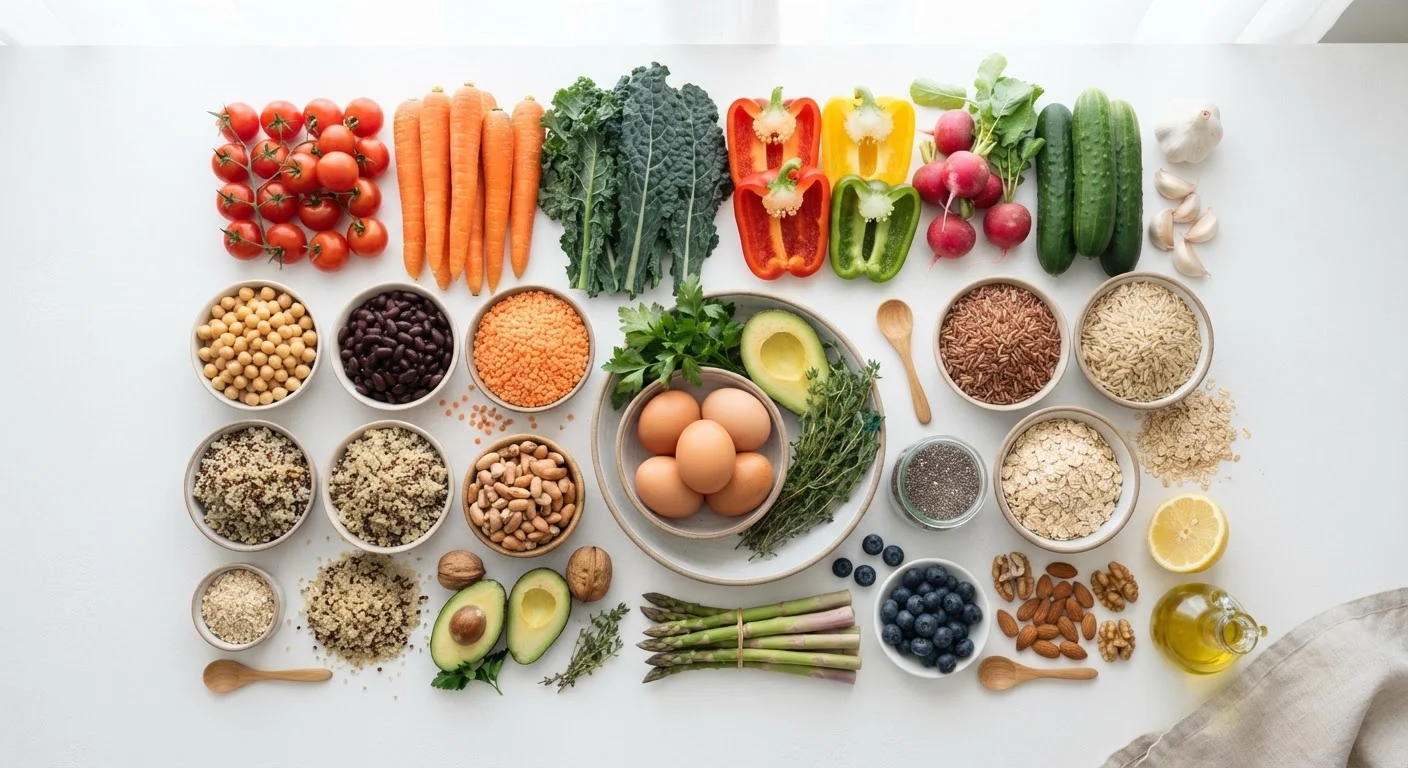
Photo: FaqExplorer.net | Informative Website editorial
Why Nutrition Matters When You Start Moving More
Starting a fitness routine - whether that means walking more, joining a gym, or following a home workout framework - changes what your body demands. Muscles need raw materials to repair and grow. Energy systems need fuel to perform. And recovery, often the forgotten piece, depends heavily on what you eat.
The encouraging news is that beginners don't need a complicated diet overhaul to see results. Understanding a handful of core concepts gives you a clear, workable foundation. This reference guide covers the fundamentals: what macronutrients do, how hydration affects performance, and why meal timing is worth knowing about - without requiring you to track every gram or follow a rigid plan.
If you're still getting oriented with food labels or general eating principles, a beginner-friendly nutrition overview can help fill in the background before diving deeper here.
| Primary fuel for exercise | Carbohydrates (especially for moderate to high intensity) |
| Role of protein in fitness | Muscle repair, recovery, and adaptation |
| Fat-soluble vitamins | A, D, E, and K - require dietary fat for absorption |
| Hydration impact threshold | ~1-2% body weight fluid loss may reduce performance (Commonly cited range in exercise physiology research) |
| Glycogen storage sites | Muscles and liver |
| Key minerals for active individuals | Iron, magnesium, calcium |
Macronutrients: The Three Pillars of Food
Every food you eat is made up of some combination of three macronutrients - carbohydrates, protein, and fat. Each plays a distinct role in supporting an active body.
Macronutrients
The three main nutrient categories - carbohydrates, protein, and fat - that provide energy and structural support for the body. They are needed in relatively large amounts compared to vitamins and minerals.
Amino Acids
The building blocks that make up proteins. The body uses amino acids to repair and build muscle tissue, among many other functions. Some amino acids must come from food because the body cannot produce them.
Micronutrients
Vitamins and minerals required by the body in small amounts. They support processes like energy metabolism, immune function, and bone health, without directly providing calories.
Caloric Density
A measure of how many calories a food contains per unit of weight or volume. Foods with low caloric density, like vegetables, provide fewer calories relative to their volume than high-density foods like oils or nuts.
Glycogen
The stored form of carbohydrate in the muscles and liver. The body draws on glycogen reserves during moderate to high-intensity exercise as a fast-access energy source.
Bioavailability
The proportion of a nutrient that the body can actually absorb and use after consumption. Bioavailability varies by nutrient, food source, and individual factors like gut health.
Carbohydrates are your body's preferred energy source during moderate to high-intensity exercise. Foods like oats, rice, potatoes, beans, and fruit supply carbohydrates in forms the body can use efficiently. Cutting carbohydrates too aggressively while exercising often leads to fatigue and reduced performance.
Protein is the key player in muscle repair and adaptation. After exercise, small tears form in muscle fibers; protein provides the amino acids needed to rebuild them stronger. General guidance from nutrition researchers suggests that active individuals benefit from higher protein intake compared to sedentary baselines, though specific targets vary by body weight, exercise type, and health status. A registered dietitian can help you identify what's appropriate for your situation. For a deeper look at protein sources, see how animal and plant proteins compare.
Dietary fat supports hormone production, helps absorb fat-soluble vitamins (A, D, E, and K), and provides sustained energy for lower-intensity activity. Unsaturated fats from sources like olive oil, nuts, avocado, and fatty fish are well-studied for their role in overall health.
Hydration, Timing, and Micronutrients
Nutrition for fitness isn't only about macronutrients. Three additional areas are worth understanding as a beginner.
Hydration: Even mild dehydration - often defined in research as a loss of 1-2% of body weight in fluid - can measurably reduce endurance and concentration. Plain water covers most everyday needs, though exercise duration, heat, and sweat rate all affect how much fluid a person needs. Thirst is a reasonable guide for most healthy adults during moderate activity.
Meal timing: There's no single rule about when to eat around workouts that applies to everyone. What the evidence broadly suggests is that eating a balanced meal containing carbohydrates and protein in the hours before exercise can support energy levels, and consuming some protein after exercise may aid muscle recovery. Extremely long gaps between eating and working out tend to impair performance for most people.
Micronutrients: Vitamins and minerals don't provide energy directly, but they're essential to the processes that make energy metabolism and muscle function possible. Iron, magnesium, and calcium are among those most relevant to active individuals. A diet built around varied whole foods - vegetables, fruits, whole grains, legumes, lean proteins - typically covers micronutrient needs more reliably than a narrow eating pattern. For a more complete breakdown, see which vitamins and minerals matter most.
When you're ready to put these principles into practice on your plate, building a balanced plate without a strict diet offers a practical, evidence-informed approach. And if decoding food packaging trips you up, reading a nutrition label clearly can make grocery choices less confusing.
This article is for general informational and educational purposes only and is not a substitute for personalized medical or dietary advice. Consult a qualified healthcare professional or registered dietitian before making significant changes to your diet or exercise routine.
The content on this site is provided for informational purposes only and should not be considered a substitute for professional advice. While we strive to provide accurate and up-to-date information, we make no guarantees regarding its completeness or accuracy. Always consult a qualified professional for advice specific to your circumstances before making any decisions.