
Protein Sources Compared: Animal, Plant, and Everything in Between

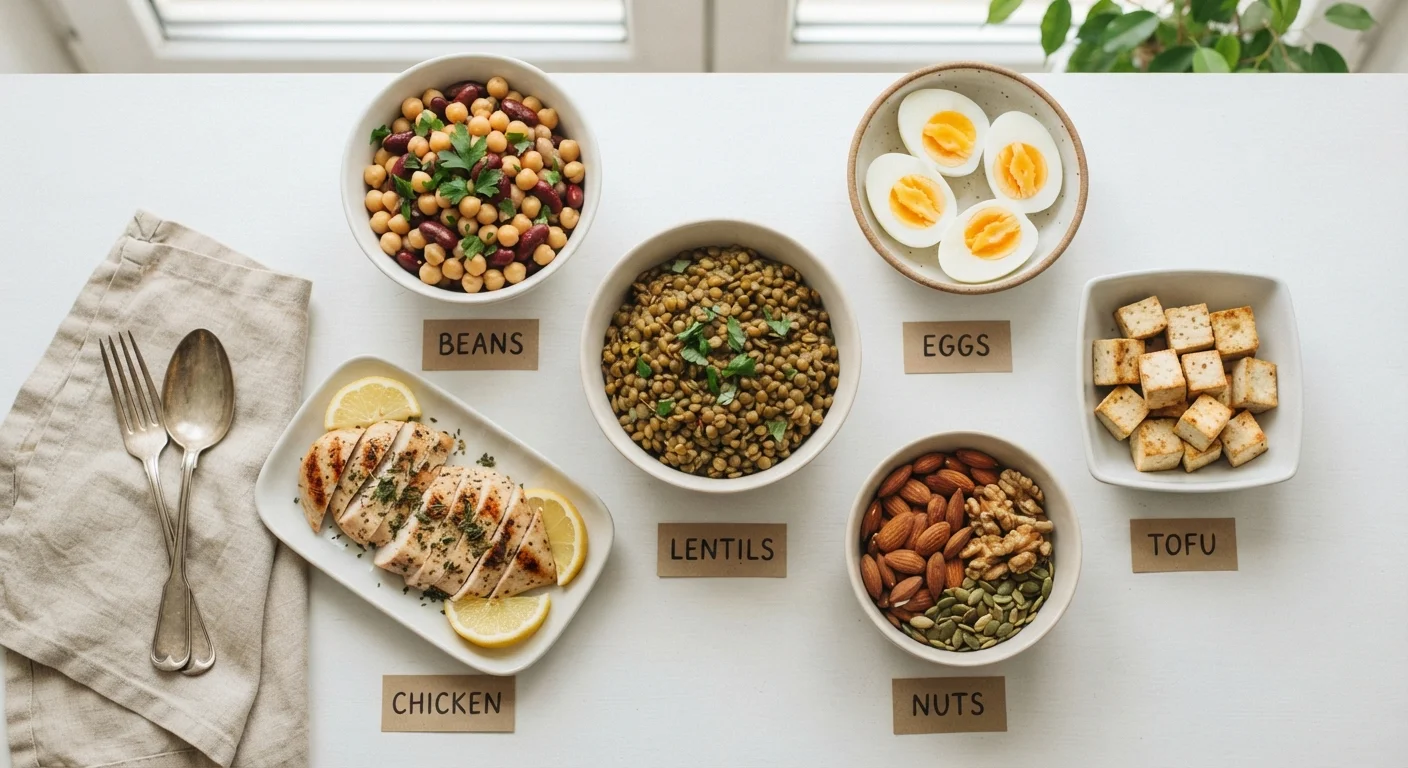
Photo: FaqExplorer.net | Informative Website editorial
Key Takeaways
- Animal proteins are generally complete, containing all nine essential amino acids in adequate proportions.
- Most plant proteins are incomplete, but strategic food combining can close the amino acid gap effectively.
- Bioavailability - how much protein your body actually absorbs - varies significantly across protein sources.
- Each protein category carries distinct nutritional trade-offs beyond protein content alone.
- Consulting a registered dietitian can help tailor protein choices to your individual health needs.
What Makes a Protein Source 'Complete'?
Proteins are made of amino acids - twenty in total, nine of which the human body cannot synthesize on its own. These are called essential amino acids, and your diet must supply all of them. A protein source is considered complete when it provides all nine in proportions adequate for human physiology.
Animal proteins - meat, poultry, fish, eggs, and dairy - consistently qualify as complete. Plant proteins are more variable: soybeans and quinoa are notable exceptions that are nutritionally complete, while most legumes, grains, and nuts are limited in one or more essential amino acids. This doesn't make plant proteins inferior by default, but it does require more dietary planning. For a solid foundation in how macronutrients function together, see our beginner's guide to everyday nutrition.
Bioavailability: How Much Protein Actually Gets Used?
The protein content listed on a nutrition label isn't the whole story. Bioavailability refers to the proportion that your digestive system actually absorbs and your body can put to use. One widely used measure is the PDCAAS, which scores proteins from 0 to 1 based on both amino acid profile and digestibility.
| Animal Protein | Dairy & Eggs | Soy Protein | Legumes | Whole Grains | |
|---|---|---|---|---|---|
| Amino acid completeness | Complete | Complete | Complete | Incomplete (most) | Incomplete |
| PDCAAS score (approx.) | 0.9-1.0 | 0.9-1.0 | ~1.0 | 0.5-0.7 | 0.4-0.6 |
| Saturated fat | Moderate-High | Low-Moderate | Very Low | Very Low | Very Low |
| Dietary fiber | None | None | Low | High | Moderate-High |
| Vitamin B12 present | Yes | Yes | No | No | No |
| Iron type | Heme (well absorbed) | Non-heme | Non-heme | Non-heme | Non-heme |
Eggs and whey protein consistently score at the top of the PDCAAS scale. Most animal proteins sit above 0.9. Plant proteins tend to score lower - partly because fiber and certain compounds like phytates can reduce digestibility. Cooking and processing can improve plant protein bioavailability, which is one reason cooked legumes are more nutritious than raw.
Trade-Offs Beyond Protein Content
Choosing a protein source inevitably means accepting a broader nutritional package. Animal proteins, especially red and processed meats, can carry higher levels of saturated fat and dietary cholesterol. Fish is a notable exception, often supplying beneficial omega-3 fatty acids alongside quality protein. Dairy provides calcium; eggs provide choline and fat-soluble vitamins.
Plant proteins bring fiber, antioxidants, and phytonutrients that animal proteins generally lack. Legumes like lentils and black beans are associated with improved gut microbiome diversity and cardiovascular health markers in observational research. However, plant-exclusive diets may fall short on nutrients like vitamin B12, heme iron, zinc, and long-chain omega-3 fatty acids - gaps that require deliberate planning or supplementation. For a deeper look at those essential nutrients, our micronutrients guide is a useful companion resource.
Building a Well-Rounded Plant-Based Plate
Combining Plant Proteins: Does It Have to Happen at Every Meal?
An older nutritional doctrine held that complementary plant proteins - such as rice and beans - had to be consumed at the same meal to achieve a complete amino acid profile. Current evidence doesn't support that strict requirement. Research indicates the body maintains an amino acid pool throughout the day, meaning consuming a variety of plant proteins across meals is sufficient for most healthy adults.
Practical combinations that together provide all essential amino acids include legumes paired with whole grains, or nuts and seeds eaten alongside legumes. For anyone new to structuring meals this way, our fitness nutrition fundamentals article covers how macronutrients fit into an active lifestyle. The key is variety over the course of a day, not precise pairing at every sitting.
Making Sense of the Evidence for Your Diet
Population-level studies - including large cohort research - associate diets high in plant protein with lower rates of type 2 diabetes and cardiovascular disease. At the same time, adequate protein from any high-quality source is associated with better muscle maintenance, satiety, and metabolic health. The picture that emerges from the body of research is not a winner-takes-all verdict but a case for dietary diversity.
How you source your protein matters alongside how much you consume. Processing level is one factor worth weighing - understanding whole versus processed foods can clarify why a whole-food plant protein differs nutritionally from a highly processed plant-based product with identical protein content on the label.
This article is for general informational and educational purposes only and is not a substitute for personalized medical or dietary advice. Consult a registered dietitian or qualified healthcare professional before making significant changes to your diet, particularly if you have an existing health condition.
The content on this site is provided for informational purposes only and should not be considered a substitute for professional advice. While we strive to provide accurate and up-to-date information, we make no guarantees regarding its completeness or accuracy. Always consult a qualified professional for advice specific to your circumstances before making any decisions.